
Darkman III: Die Darkman Die
Darkman III: Die Darkman Die (1996) Overview Darkman III: Die Darkman Die is the third and final installment in the "Darkman" universe, which first reached audiences in 1990 under Sam Raimi's direction and quickly gained cult stat…

Darkman III: Die Darkman Die (1996)
Overview
Darkman III: Die Darkman Die is the third and final installment in the "Darkman" universe, which first reached audiences in 1990 under Sam Raimi's direction and quickly gained cult status. Released in 1996, the film this time placed Bradford May in the director's chair, aiming to push the dark, revenge-driven sci-fi/action storyline one step further. The character of Peyton Westlake—introduced in the series' first film as a scientist whose face and identity were destroyed, transforming him into a figure who abandoned his scientific life to dwell in the shadows—continues in this third film to test his limits both physically and psychologically.
Despite its low-budget production approach, the film stands out for its effort to preserve the atmospheric visual language maintained throughout the series and the character's tragic structure. Although the fact that it was prepared for the television and video market rather than a theatrical release suggests it was handled on a more modest scale, it still serves as a complementary piece of the story for viewers who have followed the series. As the final film of the Darkman series, with its structure aimed at bringing the character's journey to a definitive conclusion, it carries significant closure value for fans of the series.
Plot
At the center of the story is once again Peyton Westlake; once a successful scientist, this character—who lost both his physical appearance and emotional stability following a horrific accident—has now become a shadow-dwelling figure capable of assuming different identities through synthetic skin technology. In this third film, while Westlake tries to continue his scientific work and somehow reclaim traces of the life he lost, he once again finds himself facing dangerous and dark forces.
Throughout the film, Westlake's personal and scientific struggles are intertwined. While seeking ways to make his synthetic skin formula permanent on one hand, he must also contend with enemies from his past and new threats that emerge on the other. The character's anger management issues and the extreme bursts of power triggered by adrenaline are, as in the previous films of the series, portrayed here as both a weapon and a curse. Genetic engineering, identity change, and revenge are among the core themes shaping the film's narrative.
The supporting characters and antagonist figures are constructed in a way that deepens the conflict Westlake experiences. Themes such as scientific ambition, the pursuit of power, and the pushing of moral boundaries are presented to the viewer blended with action sequences. The film deals with the character's confrontation with his tragic past and, in a sense, his reckoning with his own fate.
Why Watch It?
Darkman III offers an engaging experience especially for viewers interested in the low-budget yet creative action-sci-fi productions of the '90s. Largely preserving the series' distinctive atmosphere, the film once again brings the tragic and complex nature of Peyton Westlake to the forefront. The character's ever-changing identity, masks, and inner conflicts offer a darker and more melancholic tone, distinct from a typical superhero narrative.
Additionally, the film's visual approach rooted in practical effects carries nostalgic value as a reflection of the filmmaking sensibilities of its era. Made at a time when CGI was not yet so widespread, the film offers a distinctive aesthetic through makeup effects and physical action sequences. For viewers who have followed the series since its first film, this third installment serves as a worthwhile closing point, satisfying the desire to see the character's journey through to completion.
Who Is It For?
This film is particularly suited to viewers who are drawn to the classic action-sci-fi genre, who appreciate '90s cinema aesthetics, and who feel an affinity for anti-hero figures. Those curious about the universe created by Sam Raimi, who have seen the first two films and wonder how the story continues, will enjoy this production. It may also be satisfying for those who value the sincere, handmade aesthetic of low-budget productions and who seek a passionate narrative rather than a perfectionist one.
The film is also a suitable choice for viewers looking for a simpler, more action-focused pace rather than heavy and complex sci-fi narratives. However, viewers accustomed to high-budget superhero films adorned with modern visual effects are advised to adjust their expectations with the film's technical limitations in mind.
Pros and Cons
Pros: 1. The preservation of Peyton Westlake's tragic and layered character. 2. The distinctive aesthetic of the era's practical effects and makeup work. 3. The continuation of the series' dark and melancholic atmosphere in this third film as well.
Cons: 1. The low budget limiting visual quality in some scenes. 2. The screenplay's depth being weaker compared to the series' first film.
Genre and Tone
The film has a hybrid structure combining science fiction, action, and thriller genres. In terms of tone, a dark, gloomy, and at times tragic atmosphere prevails. While the main character's inner conflicts and identity issues form the film's emotional depth, the action sequences function as dynamic elements that balance this dark tone. Elements of dark humor also find their place here and there, but the overall atmosphere mostly proceeds along a serious and tense line.
Runtime and Viewing Experience
The film has a standard feature-length runtime and moves at a brisk pace. A narrative style that doesn't tire the viewer and focuses directly on action and story has been chosen. Due to its design for the television and video market, the scene transitions and narrative pace exhibit a more practical and functional approach compared to mainstream theatrical films. This offers viewers an experience they can comfortably complete in a single sitting.
Similar Works
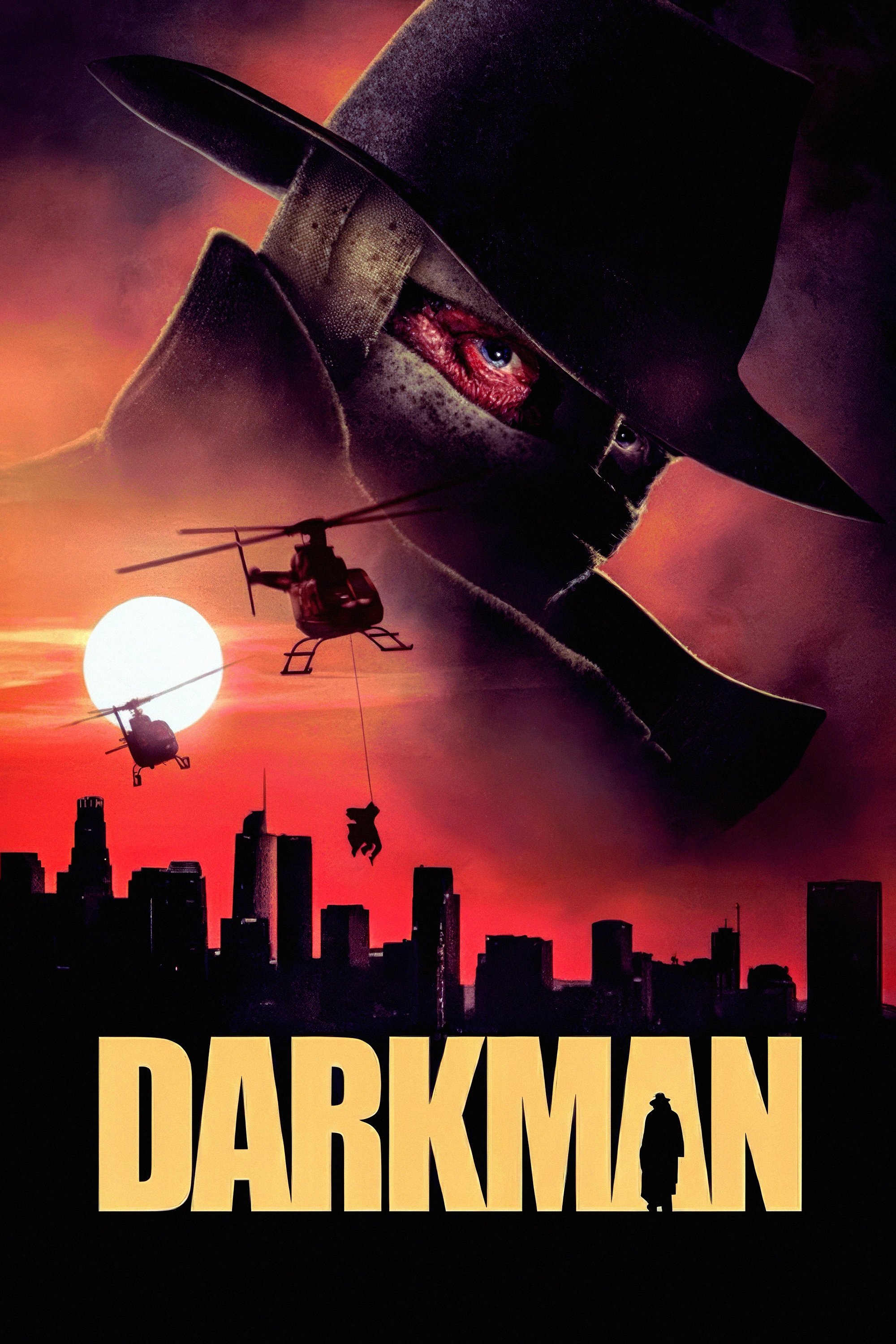
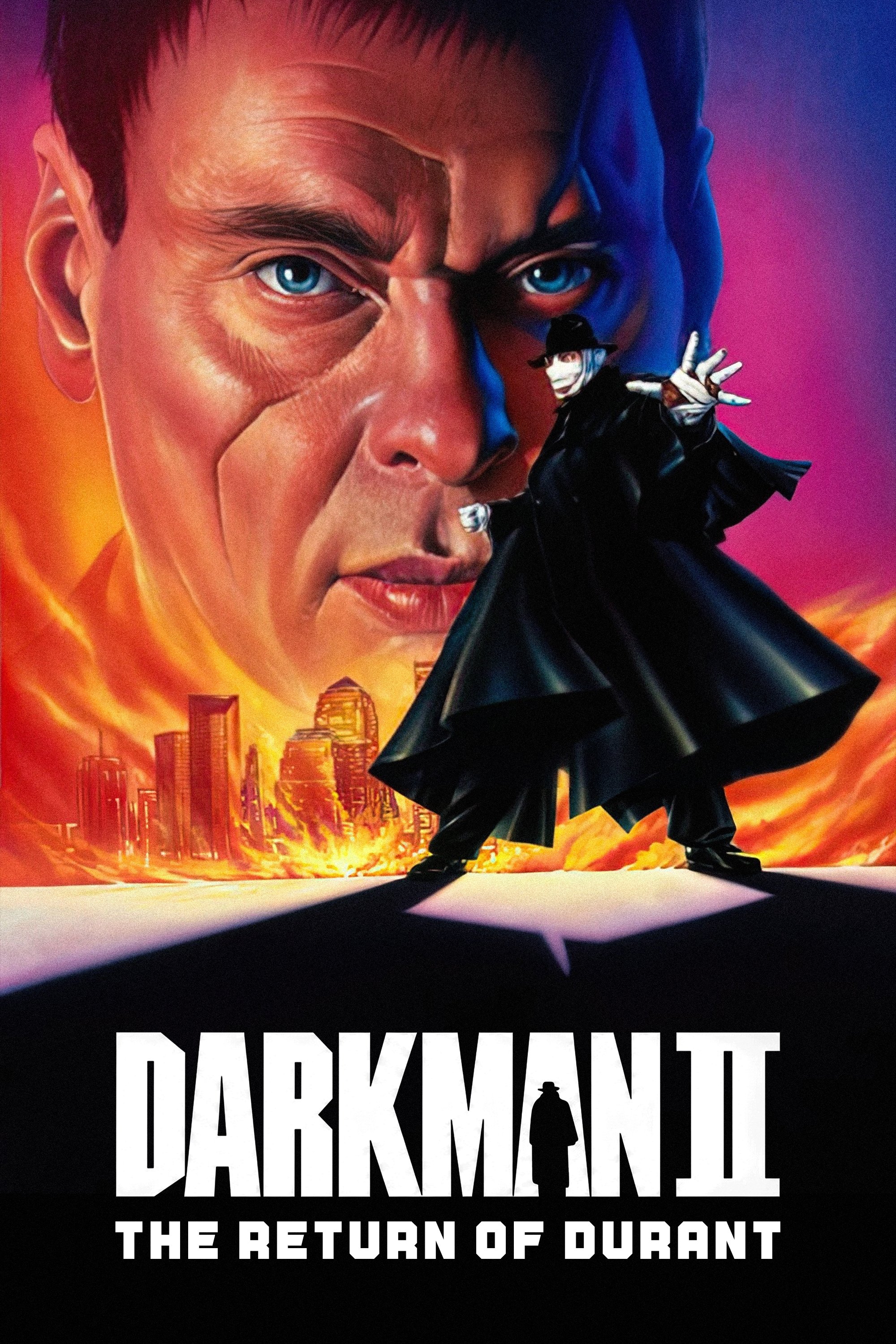
- Darkman II: The Return of Durant (1995)
- The Crow (1994)
- Spawn (1997)
- Batman (1989)
Final Assessment
Darkman III: Die Darkman Die is a modest yet sincere production that succeeds in bringing closure to Peyton Westlake's story while preserving the series' dark and tragic atmosphere. Despite its low-budget structure, it offers a satisfying experience for viewers following the series thanks to the character's emotional depth and the era's approach to practical effects. When approached not with high expectations but with nostalgic curiosity, the film promises an enjoyable viewing experience with both its action and character-driven narrative.
Details
Cast (29)











Karanlık Adam Koleksiyonu
ByTv Değerlendirmesi
Gallery
Yorumlar
Henüz yorum yok. İlk yorumu siz yazın.
Recommended








Yazıda geçen yapımlar
Senin için seçelim
Türe göre süz, puana göre sırala ya da çarkı çevirip sürpriz öneri al.