
CBGB (2013)
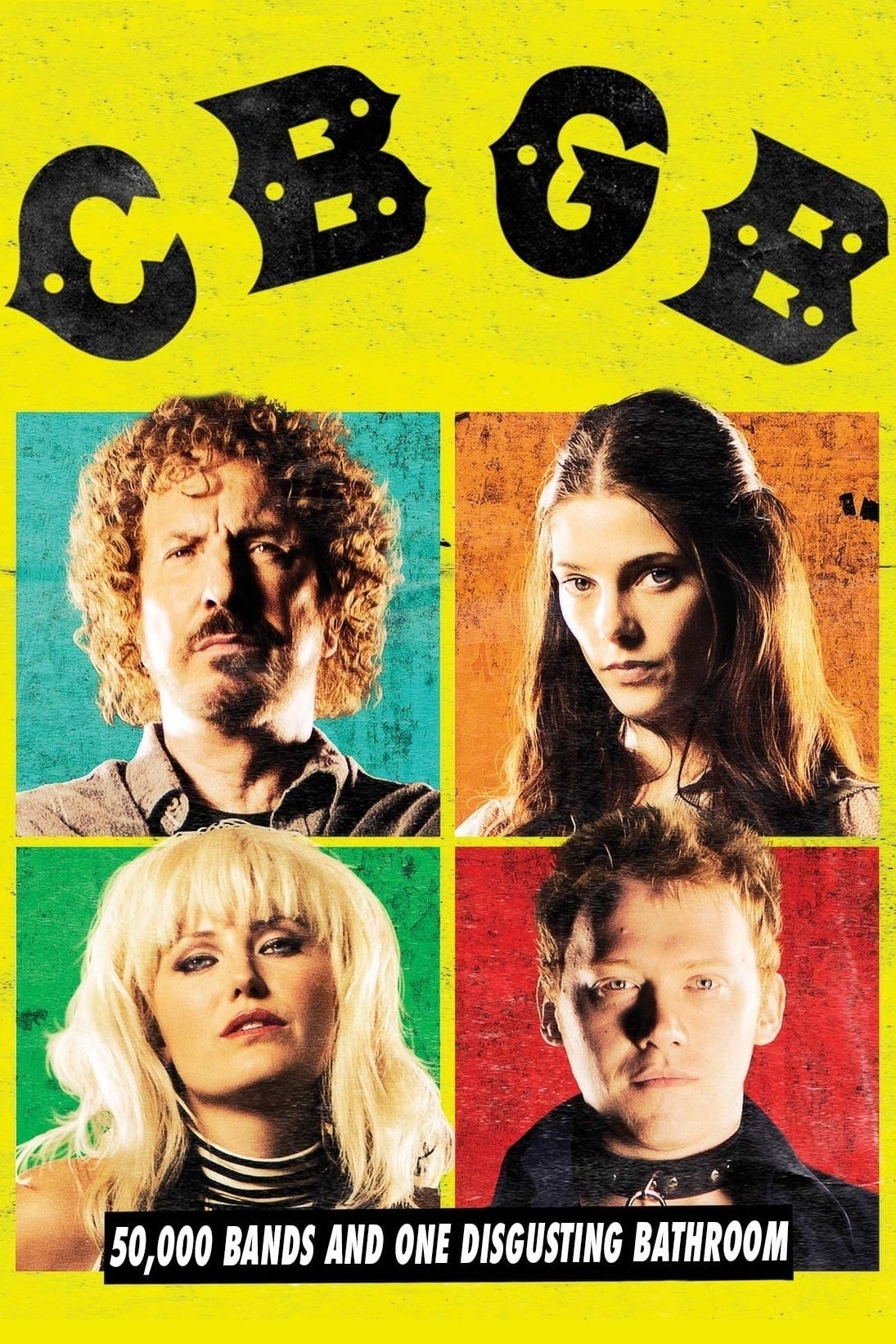
CBGB is a biographical music drama that brings to the big screen the story of the legendary New York venue where punk rock culture was born. This 2013 production covers the founding process and early years of the CBGB club, which…
Overview
CBGB is a biographical music drama that brings to the big screen the story of the legendary New York venue where punk rock culture was born. This 2013 production covers the founding process and early years of the CBGB club, which Hilly Kristal opened in 1973 and which quickly became the epicenter of the punk, new wave, and alternative rock movement. Directed by Randall Miller, the film aims to give viewers a behind-the-scenes look at a venue that left a deep mark on music history, along with the human stories and cultural atmosphere of the era. The cast features Alan Rickman as Hilly Kristal, alongside fictionalized versions of real names who left their mark on the music scene of the time. With young actors like Keene McRae in the cast, the film tries to reflect the energy and chaotic spirit of the era. Supported by detailed visual design, from the physical look of the CBGB club to the stage performances that took place there, the film offers a niche but heartfelt perspective for those who want to witness the birth of the punk movement.
Plot
The film tells the story of how a small, dirty, and unassuming bar in New York's Bowery neighborhood came to become one of the most important venues in world music history. At the center of the story is Hilly Kristal, a man who has had many failed business ventures throughout his life, is constantly in debt, and dreams big. While Kristal actually plans to open a venue for country, bluegrass, and blues music, an unexpected transformation occurs when he opens his doors to young and rebellious musicians. Hosting the first performances of names who would go on to become legends of music history—Ramones, Talking Heads, Blondie, Patti Smith—this venue quickly becomes the heart of the underground music scene. The film parallels Kristal's struggle to keep the club afloat while grappling with financial difficulties, his relationship with his daughter, and the strange but sincere bonds he forms with the musicians. At the same time, the dirty, dangerous but creative energy of New York during this era is also an important part of the story.
Why Should You Watch It?
CBGB is a rare resource for music history enthusiasts because it tells the story of the birth of the punk rock movement directly through the venue itself. One of the film's greatest strengths is its visual recreation of the music scene of the era and the early days of the legendary bands that were part of it. Alan Rickman's performance successfully balances the character's both comedic and dramatic sides, adding a human depth to the film. The film also has an inspiring narrative that shows how an independent venue can become a cultural icon. Viewers with a passion for the music of the era will greatly enjoy the stage performances and costume design featured in the film. It also offers a satisfying experience for viewers who love retro aesthetics and want to experience the chaotic and creative atmosphere of 1970s New York. At the same time, the film carries a hopeful message about how a great legacy can emerge even within a life filled with failures.
Who Is It Suitable For?
CBGB is an ideal choice especially for viewers interested in punk rock, new wave, and the 1970s New York music scene. Music history enthusiasts, fans of biographical dramas, and those who enjoy period films will enjoy this production. The film holds special value for those who know bands like Ramones, Blondie, and Talking Heads and want to see a story about their roots. Those who enjoy stories of independent entrepreneurship, resilient characters, and underground culture narratives will also find the film satisfying. However, for viewers expecting action or fast-paced drama, the film may not meet their expectations; it offers a more character-driven, atmospheric narrative instead.
Pros and Cons
Pros:
1. Alan Rickman's performance as Hilly Kristal provides the film with a strong emotional center.
2. The faithfulness to the music and punk culture of the era offers a rich visual and auditory experience.
3. The story of an independent venue transforming into a cultural icon offers an inspiring and original narrative.
Cons:
1. The narrative can feel scattered in places, and transitions between characters sometimes disrupt the flow.
2. The fictionalized representations of real music legends may feel superficial for viewers who know these names well.
Genre and Tone
The film has a structure that blends the biographical drama and music film genres. In terms of tone, it strikes a balance that is sometimes comedic, sometimes melancholic; while Hilly Kristal's struggle carries dramatic elements, the strange and colorful characters of the era's music scene add a light touch of humor to the film. The overall atmosphere is designed to reflect the dirty, raw, and rebellious energy of punk rock. The visual design offers a realistic portrait of the streets of New York at the time and the dim, cluttered interior of CBGB.
Runtime and Viewing Experience
The film has a standard cinema runtime of approximately one hour and forty minutes. Within this time, both Hilly Kristal's personal story and the club's development are told, and viewers encounter many small details about the era's music scene. While the viewing experience is visually rich thanks to the musical performances and period atmosphere, some slowdowns in narrative pacing can occasionally be felt. Still, for music enthusiasts, the stage performances and period details create an enjoyable nostalgia while watching the film.
Similar Productions
For fans of CBGB, several productions sharing a similar atmosphere and themes can be recommended. "Sid and Nancy" (1986) is a powerful drama depicting the dark side of the punk movement and the story of Sex Pistols member Sid Vicious. "24 Hour Party People" (2002) deals with Manchester's music scene and the cultural impact of independent music clubs with a similar energy. Rather than family-focused dramas in the vein of "Rocket Gibraltar," "Almost Famous" (2000) also offers a similar pleasure, telling the story of characters immersed in the music world with a nostalgic tone. "Control" (2007) provides another perspective on the era's music scene by covering the life of Joy Division frontman Ian Curtis. Additionally, the documentary "Danny Says" (2015) offers more insight into the era by centering on one of the figures behind the scenes of the punk scene.
Final Assessment
CBGB stands out as a nostalgic and heartfelt biographical drama that tells the story of the birth of one of punk rock history's most important venues. Alan Rickman's strong performance and the attention given to period details turn the film into a valuable viewing experience for music enthusiasts. While some scatteredness in the narrative structure and the superficial treatment of real characters are the film's weak points, it overall offers a satisfying production for viewers interested in underground music culture. For those curious about the origins of punk rock, CBGB is an enjoyable journey showing how a modest venue turned into a legend.
Details
Cast (49)

















































ByTv Değerlendirmesi
Gallery
Yorumlar
Henüz yorum yok. İlk yorumu siz yazın.
Recommended








Senin için seçelim
Türe göre süz, puana göre sırala ya da çarkı çevirip sürpriz öneri al.