
Cabin Fever (2003)
Directed by Eli Roth, Cabin Fever is a horror production that met with movie lovers in 2003 and quickly gained cult status. Marking an important turning point in Roth's directing career, this film blends the classic "young people…
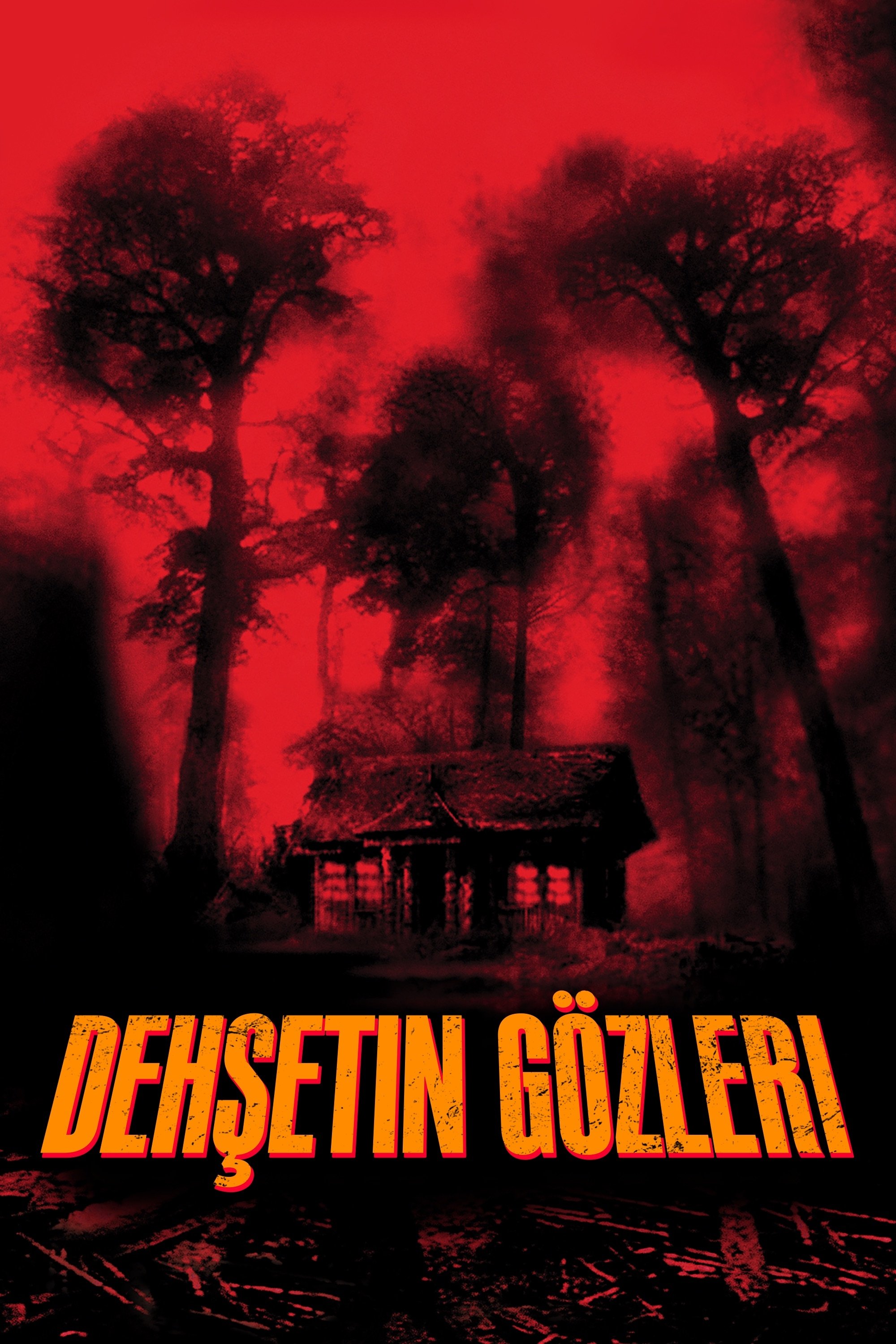
Overview
Directed by Eli Roth, Cabin Fever is a horror production that met with movie lovers in 2003 and quickly gained cult status. Marking an important turning point in Roth's directing career, this film blends the classic "young people stranded in the woods" theme with the body horror subgenre, offering viewers an experience that is as disturbing as it is memorable. Despite its low budget, Cabin Fever left a mark on independent horror cinema of its era, drawing notable reactions from both critics and genre fans.
Departing from the classic slasher formula, the film generates horror through the decay of the human body and the spread of disease. This approach gives the viewer a physical sense of revulsion while also prompting reflection on human selfishness and behavior in moments of panic. With this film, Eli Roth established his own signature style, laying the groundwork for later works such as the Hostel series.
Although modest in terms of production values, Cabin Fever is quite successful at creating atmosphere. The isolated and unsettling nature of the forest reinforces the characters' helplessness, while the paranoia and distrust felt throughout the film draw the viewer into the tension as well. Its retro aesthetic and visual language, characteristic of early-2000s horror cinema, also make it an appealing option for those seeking a nostalgic horror experience.
Plot
Five college friends head to a remote cabin in the woods to spend their post-graduation vacation. Their goal is to have fun in nature, drink, and get away from stress. However, in the early days of the trip, things start to go unexpectedly wrong. A mysterious and deadly infection lurking in the area spreads to one of the group's members, and an atmosphere of panic quickly takes hold.
Trust among the friends rapidly erodes amid fear of the disease spreading. As it becomes unclear who is infected and who can be trusted, suspicion, fear, and selfishness come to the forefront among the group members. Unable to get help from the outside world in this isolated setting, the characters must contend with both an almost supernatural threat and their own human weaknesses.
As the film progresses, more clues are given about the origin and nature of the disease, while the strange and unsettling reactions of the local population add an extra layer of tension to the story. Going beyond a classic survival story, Cabin Fever lays bare the collapse of an isolated group and the darkest sides of human nature in times of crisis.
Why Should You Watch It?
Cabin Fever is an important stop for viewers seeking a different vein in horror cinema. First and foremost, this is the film that marks Eli Roth's entry into filmmaking, carrying the first seeds of the body horror and gore elements he would go on to develop in his later work. In this respect, it's a reference point for anyone wanting to trace the history of horror cinema and Eli Roth's evolution as a filmmaker.
One of the film's greatest strengths is that, unlike traditional killer/monster-themed horror productions, the threat here is an invisible and unstoppable disease. This creates a deeper sense of helplessness in the viewer, because the enemy is not a physical being that can be fought, but a contagious and insidious threat. This approach sets the film apart from classic slasher productions, adding a more psychological layer of tension.
Additionally, the "raw" and authentic atmosphere typical of low-budget productions is one of the elements that enhances the film's appeal. The emphasis on practical effects rather than CGI makes the scenes feel more realistic and disturbing. Skillfully sprinkled with dark humor, the film surprises viewers with unexpectedly funny and absurd scenes alongside its serious horror moments.
For cult film enthusiasts, Cabin Fever is also notable for the fan base it has built up over time and its references in popular culture. This production is also worth examining as one of the examples of "achieving a lot with a small budget" in film history.
Who Is It Suitable For?
Cabin Fever is primarily ideal for viewers who aren't put off by classic horror and gore scenes and who are familiar with the body horror subgenre. Viewers who are sensitive to disturbing visuals, bloody scenes, and themes of physical decay are advised to approach this film with caution.
For those curious about Eli Roth's cinematic style and wanting to see the beginning of the director's career, this film is a must-see. Additionally, viewers who feel nostalgic for early-2000s independent horror cinema will enjoy the film's period aesthetic and atmosphere.
Cabin Fever also offers a satisfying experience for those interested in tension-driven stories about social dynamics and the collapse of a group from within. However, for viewers who dislike slow-paced, atmosphere-driven horror films and expect constant action or jump-scares, the film may not fully meet their expectations.
Pros and Cons
Pros:
1. It offers an original and disturbing horror concept; the disease-based threat creates a different kind of tension than the classic killer figure.
2. It contains the first examples of Eli Roth's directorial style, making it an important reference point in film history.
3. The successful use of practical effects makes the scenes feel realistic and impactful.
Cons:
1. Some character decisions may come across as illogical or clichéd, which can make it difficult for viewers to connect with them.
2. Due to the low budget, some scenes are technically weak, and there are fluctuations in pacing.
Genre and Tone
Although Cabin Fever is fundamentally a horror film, it's a hybrid work that also contains elements of dark comedy and the youth film genre. The film's tone shifts between serious, tense moments and absurd, sometimes even comedic scenes. These unbalanced yet deliberate tonal shifts give the film its own distinctive identity.
While body horror elements sit at the center of the film, the isolated setting and the theme of paranoia also feed into the overall atmosphere. The director's choice of raw, natural visual language strengthens the film's sense of realism, while the occasional absurd comedic touches bring the viewer to a surprising point of balance.
Runtime and Viewing Experience
With a runtime of approximately 94 minutes, Cabin Fever offers a viewing experience that isn't long but is intense. In terms of pacing, the film focuses on character introductions and atmosphere-building in the first half, while tension and genuine horror elements rapidly escalate in the second half. This structure builds to a satisfying climax for patient viewers.
In terms of the viewing experience, the film's visual and audio elements are used effectively to reinforce the atmosphere. In particular, the use of natural sounds and silence stands out among the elements that heighten the tension. Its short runtime, which can be watched in one sitting, makes it a production that can comfortably be chosen at any time of day.Similar Works
- The Evil Dead (1981) – A cult classic dealing with supernatural terror at an isolated cabin.
- Hostel (2005) – Another Eli Roth production with a similarly disturbing atmosphere.
- The Ruins (2008) – Follows young people stranded in a natural setting battling an unknown threat.
- Deliverance (1972) – A gripping thriller dealing with the dangers encountered in nature and the dark side of human nature.
- 28 Days Later (2002) – An atmospheric horror production that explores the theme of infectious disease in a different context.
Final Assessment
Cabin Fever stands out as a bold production that breaks away from the usual conventions of horror cinema, centering itself on themes of disease and contagion. This film, in which Eli Roth took his first steps as a director, manages to deliver an impressive atmosphere and disturbing visuals despite its low budget. Its concept, which breaks free from the classic slasher formula, gives viewers a different kind of horror experience while also offering unexpected moments through its dark humor.
Although some character decisions and technical lim
Details
Cast (60)



















Ödüller
1 adaylık
- Producers Award 2004
ByTv Değerlendirmesi
Gallery
Yorumlar
Henüz yorum yok. İlk yorumu siz yazın.
Yazıda geçen yapımlar

Senin için seçelim
Türe göre süz, puana göre sırala ya da çarkı çevirip sürpriz öneri al.