
Bride of Frankenstein (1935)
Directed by James Whale, Bride of Frankenstein went down in cinema history as the sequel to the 1931 film "Frankenstein," and stands as one of the most original and striking productions in the horror genre. This second installment…

Overview
Directed by James Whale, Bride of Frankenstein went down in cinema history as the sequel to the 1931 film "Frankenstein," and stands as one of the most original and striking productions in the horror genre. This second installment in Universal Studios' classic monster film series goes far beyond being a mere sequel, achieving an artistic maturity that overshadows its predecessor. With Boris Karloff's performance as the monster, Elsa Lanchester's dual performance as both Mary Shelley and the monster's bride, and Franz Waxman's unforgettable score, the film is regarded as one of the pinnacles of black-and-white horror cinema.
One of the standout names in the production is cinematographer Frank Benson (person:frank-benson). Despite the technical limitations of the era, the interplay of shadows, gothic atmosphere, and expressionist visual language created in the film are among the elements that advanced cinema's power of visual storytelling. Both technically and narratively, the film has served as a source of inspiration for countless horror and science fiction productions that followed.
Plot
The story picks up where the first film left off. Following the events in which the monster was believed to have died, it turns out he actually survived, and from that moment on, he embarks on a journey marked by loneliness, exclusion, and a longing for acceptance. Meanwhile, a mysterious scientist named Doctor Pretorius attempts to convince Henry Frankenstein to create a mate for the monster. While posing profound questions about creation, responsibility, exclusion, and the meaning of being human, the film also masterfully sustains its gothic horror atmosphere. Beyond being a mere horror story, the narrative succeeds in giving the audience much to ponder through its tragic and emotional layers.
Why Should You Watch It?
Beyond being counted among the classics of horror cinema, Bride of Frankenstein deserves to be watched as one of the turning points in film history. James Whale's directorial vision produced remarkably creative solutions despite the technical limitations of the era, transforming the gothic atmosphere into a visual feast. The film's elements of dark humor are skillfully blended with dramatic intensity, elevating the production to an artistic level that sets it apart from an ordinary horror film.
The depth Boris Karloff brings to the monster character allows the audience to form an emotional bond with the creature; the monster is no longer merely something to be feared, but also a tragic figure seeking to be understood. Elsa Lanchester's brief but unforgettable performance, meanwhile, created one of the most iconic visual images in film history. In addition, the film's treatment of remarkably bold themes for its time makes it a fascinating historical and cultural reference point for today's audiences as well.
Who Is It For?
This film is tailor-made for classic cinema enthusiasts, viewers interested in the origins of the horror genre, and those curious about film history. In particular, anyone curious about Universal's classic monster film universe should definitely watch this production. It offers great enjoyment for viewers who appreciate gothic atmosphere, expressionist visual language, and the cinematic aesthetics of the era. For audiences accustomed to modern, fast-paced horror films laden with visual effects, it may feel like a somewhat different experience; however, anyone interested in the roots of cinema will thoroughly enjoy this production.
Pros and Cons
Pros:
1. James Whale's original and creative directorial approach carried the film far beyond its time.
2. Boris Karloff's performance as the monster gave the character an unexpected emotional depth.
3. The cinematography and creation of atmosphere (with contributions from Frank Benson) left a lasting impact on film history.
Cons:
1. By today's standards, the pacing may feel slow to some viewers.
2. The technical limitations of the era may seem unfamiliar to modern audiences.
Genre and Tone
The film is one of the purest examples of the classic gothic horror genre. A dark, mysterious, and at times melancholic tone dominates. However, Whale skillfully weaves elements of dark humor into this serious atmosphere, giving the film a unique balance. The tone, which shifts between horror and tragedy, drama and absurd comedy, keeps the film from being a one-dimensional horror production and turns it into a multi-layered cinematic experience.
Runtime and Viewing Experience
With a short but intense runtime of approximately 75 minutes, the film offers a highly engaging experience for today's audiences. Despite its brevity, it leaves behind a satisfying sense of completeness thanks to its atmospheric density and narrative richness. The black-and-white visual language may initially seem unfamiliar to viewers unaccustomed to the cinematic aesthetics of the era, but it doesn't take long to be drawn into the film's atmosphere.
Similar Productions
- Frankenstein (1931) – The first film in the series and the direct predecessor to this production.
- The Mummy (1932) – Another important production from Universal's classic monster film universe.
- Dracula (1931) – One of the gothic horror classics of the same era.
- The Invisible Man (1933) – Another significant horror film bearing James Whale's signature.
- Nosferatu (1922) – One of the pioneering examples of expressionist horror cinema.
Final Assessment
Beyond being merely a horror film, Bride of Frankenstein is a striking testament to the maturity cinema achieved in its early period. With James Whale's visionary direction, the unforgettable performances of Boris Karloff and Elsa Lanchester, and a visual approach that pushed the technical boundaries of its time, the film deserves to be recognized as one of the indispensable works of classic cinema. Skillfully blending horror, drama, and dark humor, this production stands as a masterpiece that must be seen by anyone interested in film history.
Details
Cast (55)
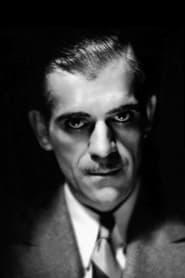

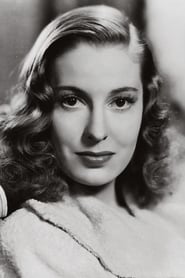
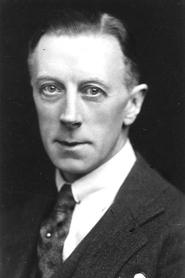
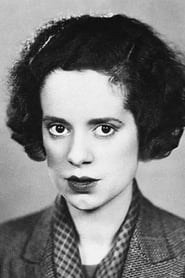
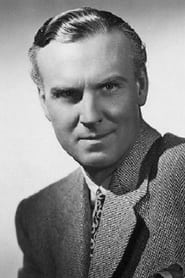
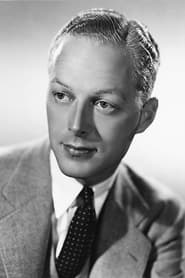
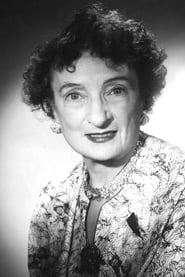
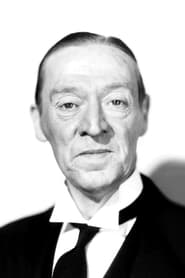

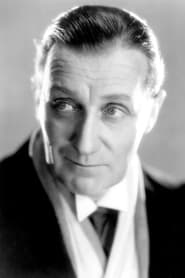

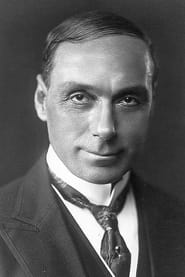

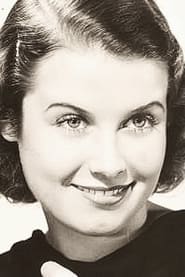
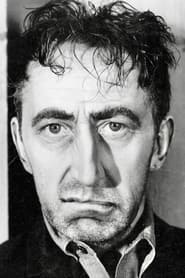

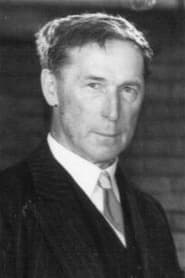
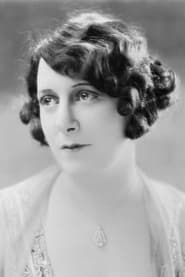
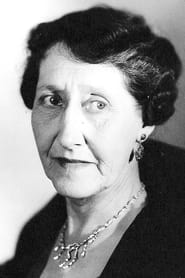
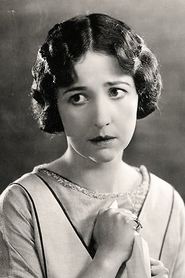

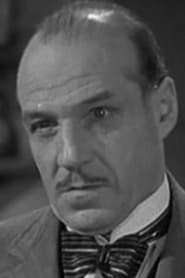
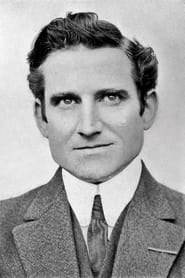
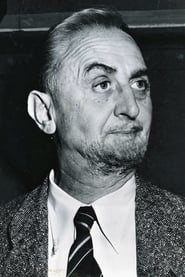
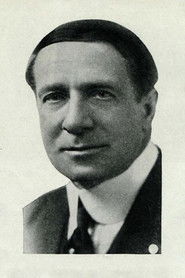

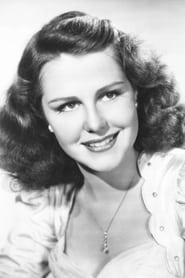
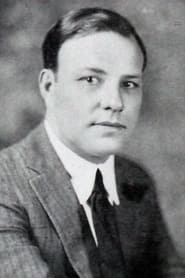

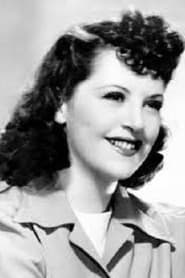
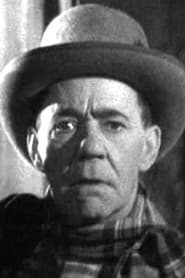
Ödüller
1 adaylık
- En İyi Ses Miksajı Akademi Ödülü 1936
ByTv Değerlendirmesi
Gallery
Yorumlar
Henüz yorum yok. İlk yorumu siz yazın.
Recommended


Senin için seçelim
Türe göre süz, puana göre sırala ya da çarkı çevirip sürpriz öneri al.