
An American in Paris
An American in Paris (1951) Overview "An American in Paris" is a classic 1951 Hollywood musical directed by Vincente Minnelli. One of the brightest examples of Metro-Goldwyn-Mayer's golden age, the film was inspired by George Gers…
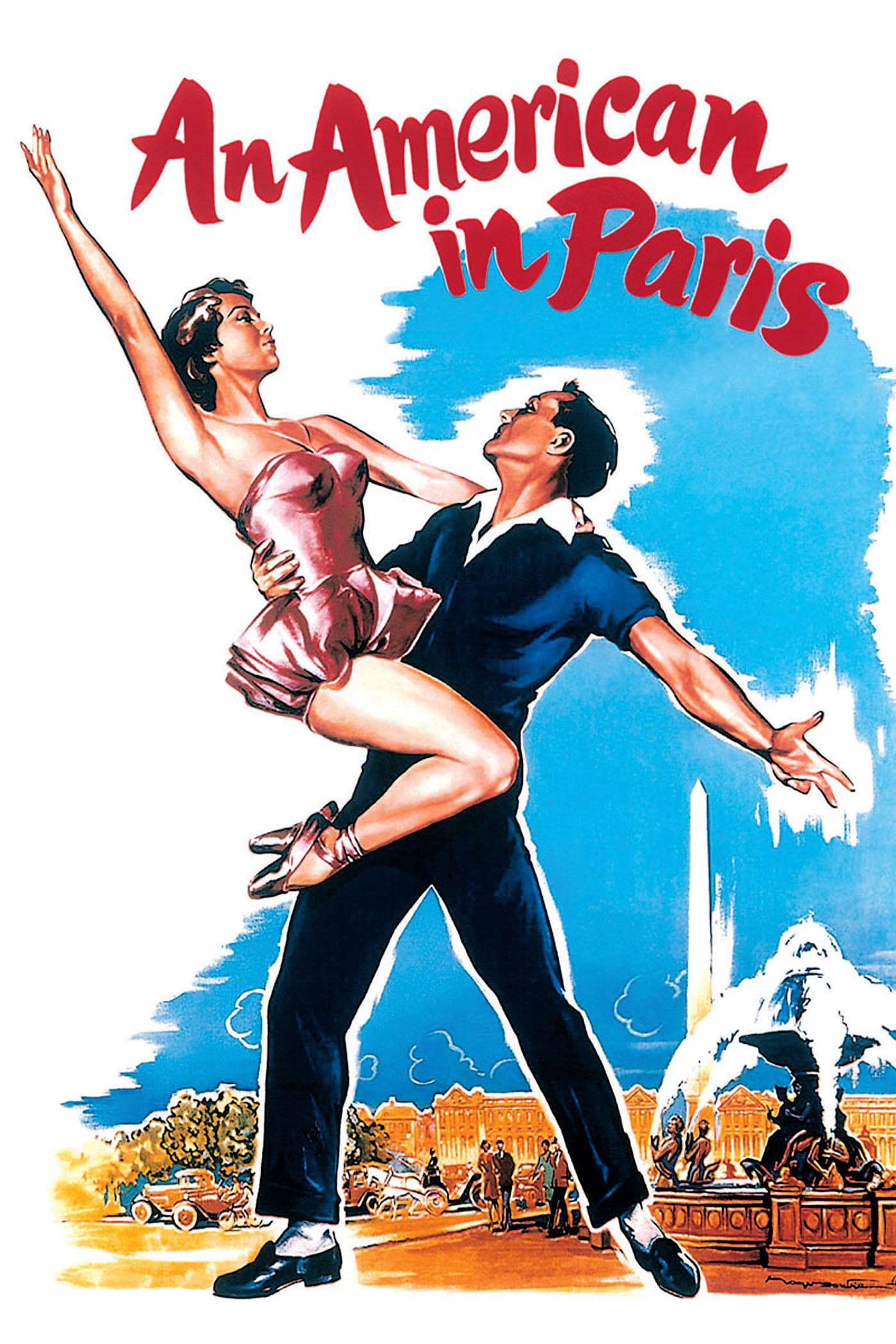
An American in Paris (1951)
Overview
"An American in Paris" is a classic 1951 Hollywood musical directed by Vincente Minnelli. One of the brightest examples of Metro-Goldwyn-Mayer's golden age, the film was inspired by George Gershwin's symphonic poem of the same name, and its music is likewise adorned with compositions by the Gershwin brothers (George and Ira Gershwin). Starring Gene Kelly and Leslie Caron, the production holds a significant place in film history both for its visual spectacle and for the way its structure elevated the dance-musical sensibility of its era to its peak.
Set in post-war Paris, the film's story also reflects the romantic fascination American cinema of the period held for Europe. The streets, cafés, art studios, and banks of the Seine of the French capital were essentially recreated through meticulously built studio sets; as a result, rather than offering a realistic depiction of the city, the film conjures an idealized Parisian fantasy. Winning six Oscars at the 1952 Academy Awards, including Best Picture, the production also stands as proof of the technical and artistic achievements of cinema at that time.
Throughout the film, viewers get to experience the full splendor of classic Hollywood musicals: carefully choreographed dance sequences, a vibrant color palette, costumes reflecting the fashion of the era, and of course, Gershwin's unforgettable melodies. In particular, the lengthy ballet sequence in the film's finale is a bold experiment that pushes the boundaries of the musical genre in film history.
Plot
The film centers on the story of an American painter living in post-World War II Paris. Struggling to practice his art and make a living, our protagonist wanders through the city's bohemian circles, meets various people, forms friendships, and eventually crosses paths with a woman who will steal his heart. This encounter becomes a turning point that will profoundly affect the character's life, both romantically and artistically.
While weaving together themes of love, art, identity, and passion, the film blends them with the classic narrative forms of the musical genre. Song and dance sequences serve as the primary means of conveying the characters' inner worlds and emotional states. Although the story takes shape around a simple love triangle, it offers a more layered viewing experience through its atmospheric portrayal of the Paris of the era and its emphasis on the place of art in life.
Why Watch It?
This film is a must-watch classic, representing one of the pinnacles of the musical genre in cinema history. Gene Kelly's fluid and energetic dance performance is adorned with movements crafted by one of the most talented choreographers of the era. Leslie Caron's entry into Hollywood through this film also carries particular significance in cinema history.
Gershwin's music is one of the film's greatest strengths. Songs like "I Got Rhythm" and "'S Wonderful" are among the works that have become classics, not just in their own time but today as well. Visually, the film showcases one of the most impressive uses of Technicolor; every scene is composed with the care of a painting.
Additionally, the lengthy ballet sequence at the film's finale stands out as a remarkably bold cinematic experiment for its time. Drawing inspiration from the styles of various French painters, the set and costume designs of this sequence offer both a visual feast and a tribute to art history.
Who Is It For?
For viewers interested in classic Hollywood cinema, the musical genre, and dance performances, this film is nothing short of a treasure. Those familiar with Gershwin's music, or who enjoy jazz and symphonically-tinged melodies, will greatly enjoy the film's musical texture.
It also offers a satisfying experience for cinephiles who value visual aesthetics and are drawn to productions with meticulous use of color and art direction. Those seeking a nostalgic atmosphere evocative of Paris, the art world, and a romantic era will find what they're looking for in this film as well.
On the other hand, for viewers accustomed to fast-paced, modern storytelling techniques, the film's classic narrative style and slower-moving editing may initially feel unfamiliar; however, anyone open to the genre's classics will find this production satisfying.
Pros and Cons
Pros:
1. Gene Kelly's extraordinary dance performance and choreography are among the film's most unforgettable aspects.
2. The music composed by George Gershwin both reflects the spirit of its era and leaves a timeless impression.
3. The visual direction, use of color, and art direction showcase one of the technical high points of classic Hollywood cinema.
Cons:
1. For today's viewers, the story's pacing and flow may at times feel slow or old-fashioned.
2. Character development can feel superficial in some sections due to the weight given to the musical numbers.
Genre and Tone
The film is one of the quintessential examples of the romantic musical genre. While the tone generally maintains a cheerful, colorful, and light atmosphere, romantic tension and emotional depth are occasionally woven in as well. Dance and music sequences form the cornerstones of the film's emotional storytelling; as a result, transitions between scenes are edited to flow smoothly and in keeping with musical rhythm.
The overall atmosphere reflects the optimistic and hopeful spirit of the post-war era, while the passion and uncertainty that come with an artist's identity add depth to the tone. This balance allows the film to offer a viewing experience that is both entertaining and thought-provoking.
Runtime and Viewing Experience
The film runs approximately 113 minutes, during which it offers rich content that satisfies viewers both visually and aurally. In particular, the lengthy ballet sequence in the finale stands out as a section told almost entirely through dance and music without dialogue, unlike the rest of the film's flow; this adds an additional layer to the viewing experience.
For viewers already familiar with classic musicals, the film offers a smooth experience, while those new to the genre may need some time to adjust. Even so, thanks to its visual richness and musical quality, it is a production that succeeds in keeping viewers engaged.Similar Works
- Singin' in the Rain (1952)
- Gigi (1958)
- The Band Wagon (1953)
- Funny Face (1957)
- Meet Me in St. Louis (1944)
- West Side Story (1961)
Final Assessment
"An American in Paris" is a production that has firmly secured its place in cinema history as one of the most magnificent examples of classic Hollywood musical filmmaking. Gene Kelly's dancing, Gershwin's immortal melodies, and Vincente Minnelli's visual direction come together to create an unforgettable cinematic experience. Even though the pacing may occasionally feel slow to modern viewers, the film's artistic value and technical mastery make it an indispensable masterpiece for anyone wishing to discover the classics of the genre.
Details
Cast (159)




















ByTv Değerlendirmesi
Gallery
Yorumlar
Henüz yorum yok. İlk yorumu siz yazın.
Recommended




Senin için seçelim
Türe göre süz, puana göre sırala ya da çarkı çevirip sürpriz öneri al.