
Day of the Dead
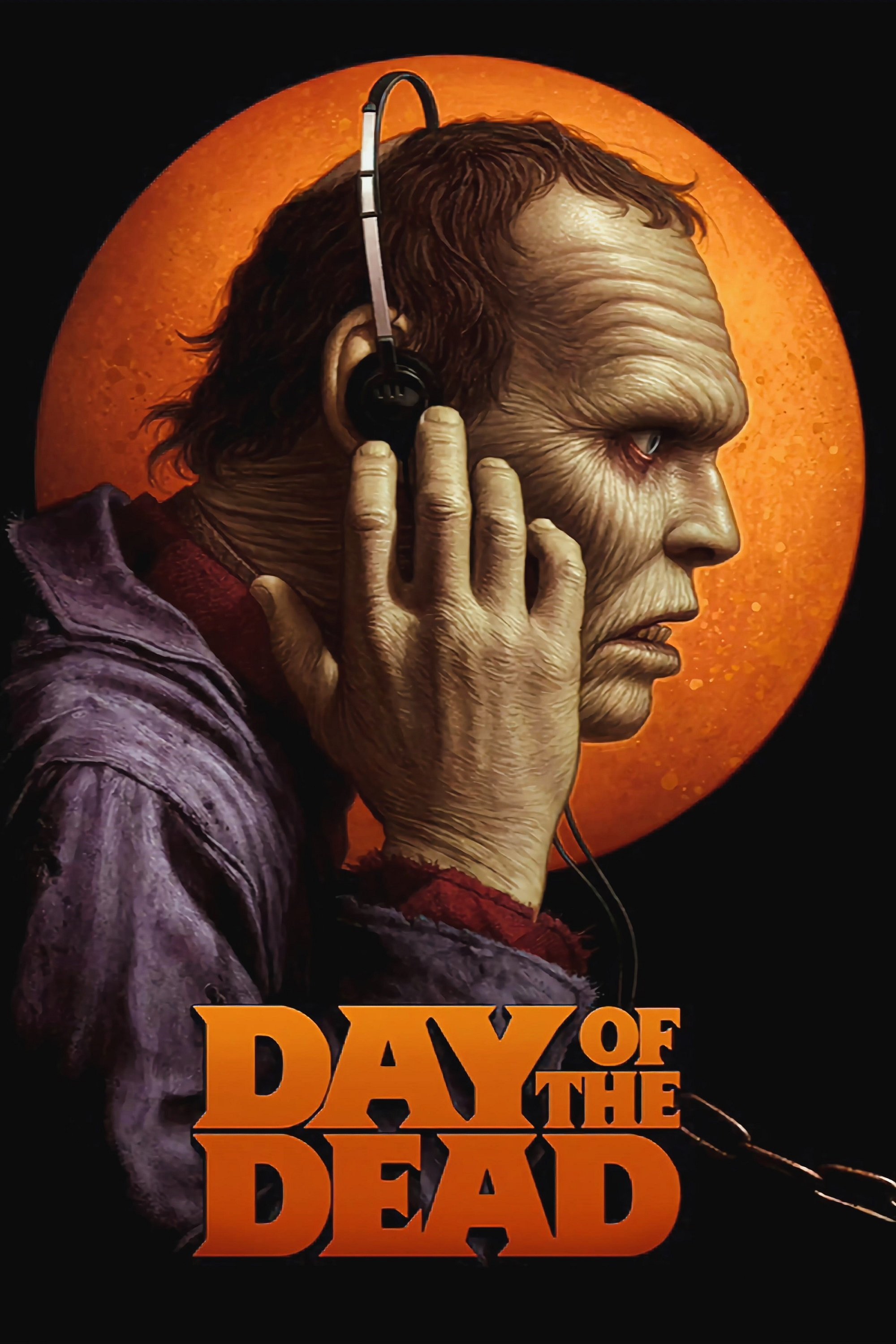
Day of the Dead (1985) Overview "Day of the Dead," the third installment in George A. Romero's dead trilogy, hit theaters in 1985 and has gone down in history as one of the darkest and most hopeless examples of zombie cinema. Foll…
Day of the Dead (1985)
Overview
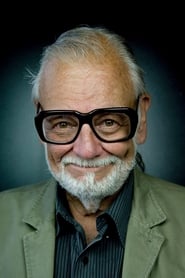
"Day of the Dead," the third installment in George A. Romero's dead trilogy, hit theaters in 1985 and has gone down in history as one of the darkest and most hopeless examples of zombie cinema. Following "Night of the Living Dead" and "Dawn of the Dead," this production stands out as the series' bleakest and most claustrophobic entry. In this film, Romero begins the story at a point where the world has nearly been completely overrun by zombies; humanity has been defeated, and survivors have taken refuge underground, in abandoned military facilities.
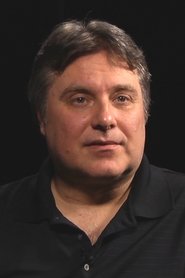
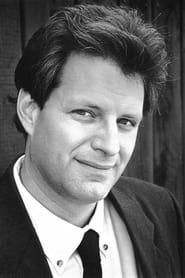
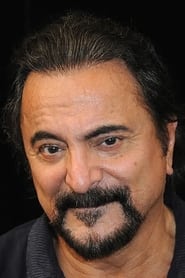
Despite its limited budget, the film is remarkably successful at creating atmosphere. The dark underground corridors, claustrophobic tunnels, and characters struggling with scarce resources give the viewer a genuine sense of hopelessness. Tom Savini's legendary makeup and special effects work is one of the film's most striking elements, producing scenes that remain impressive even today given the technology of the era. Jarlath Conroy, among the cast, is one of the names whose performance strengthens the human side of the story.
"Day of the Dead" is more than just a horror film; it is a production that questions humanity's behavior at the moment of collapse, the tension between science and military power, and how the survival instinct changes people.
Plot
The world has nearly collapsed entirely due to a zombie outbreak. A small surviving group of scientists and soldiers takes shelter in an old underground military research facility. In this isolated environment, while the scientists try to understand zombie behavior and perhaps find a solution, the military personnel descend into increasing tension and loss of control.
Dwindling resources, isolation from the outside world, and the constant threat of zombies are the main factors straining relationships within the group. While the conflict between science and discipline forms the film's central line of tension, the characters' individual motivations and fears add depth to the story. The experiments conducted within the facility yield striking and disturbing results about the nature of zombies.
As the film progresses, the idea grows stronger that people's behavior toward one another can become far more dangerous than that of the dead. Romero once again blends the classic zombie theme with social critique, offering the viewer both physical and psychological tension.
Why Should You Watch It?
"Day of the Dead," as one of the cornerstones of zombie cinema, is essential viewing for anyone wanting to understand the genre's evolution. Tom Savini's practical effects are proof of the creativity and mastery achieved in an era without CGI. These effects are impressive and realistic enough to hold up even for today's audiences.
The film's claustrophobic atmosphere draws the viewer into a shared sense of confinement with the characters. Romero's social critique lays bare not just the zombie invasion, but also people's power struggles, search for authority, and moral collapse in times of crisis. In this respect, the film offers far more than a superficial horror experience.
Additionally, its darker and more hopeless tone compared to the other films in the series is one of the elements that makes "Day of the Dead" unique. Its character dynamics and tension-filled atmosphere keep the viewer engaged until the very end.
Who Is It Suitable For?
This film is ideal for viewers who love classic zombie cinema and appreciate practical effects and atmospheric tension. Film lovers who have watched Romero's previous films and are familiar with the series will better appreciate the darker tone that "Day of the Dead" offers.
Since it contains intense violence and gore scenes, it may not be suitable for viewers sensitive to such content. However, it offers a satisfying experience for those interested in retro horror aesthetics, the independent film spirit of the 1980s, and narratives enriched with social allegory.
Pros and Cons
Pros:
1. Tom Savini's makeup and special effects work, which has gone down in cinema history
2. Creation of a claustrophobic and tense atmosphere
3. A strong script structure containing social critique
Cons:
1. The slow-moving pace may be tedious for some viewers
2. The low budget shows through in some scenes
Genre and Tone
The film combines the horror and science fiction genres while being fueled by a dystopian atmosphere. Its tone is quite bleak and hopeless; compared to the previous films in the series, humorous elements take a back seat. The tension is fed mostly by strained human relationships and fear of confined spaces.
Runtime and Viewing Experience
With a runtime of approximately 100 minutes, the film offers a tension that builds gradually rather than a fast-paced opening. The viewing experience will be rewarding for patient viewers; the final act, in particular, is packed with intense scenes where the accumulated tension erupts.
Similar Productions
- Dawn of the Dead (1978)
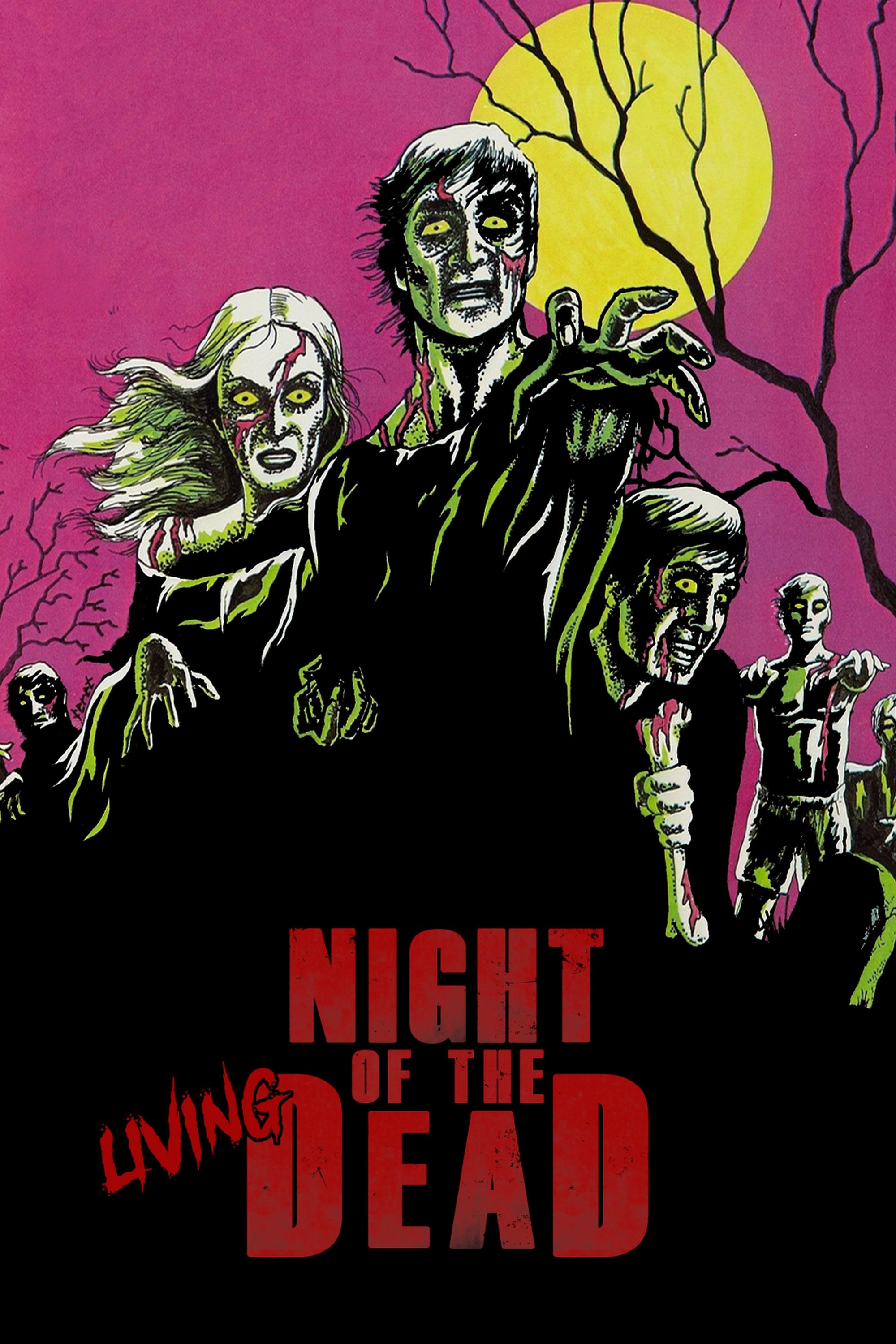
- Night of the Living Dead (1968)
- The Return of the Living Dead (1985)
- 28 Days Later (2002)
- Train to Busan (2016)
Final Assessment
"Day of the Dead," as one of the darkest and most thought-provoking examples of zombie cinema, is one of the films that most intensely reflects Romero's approach to social critique. With Savini's effects and its claustrophobic atmosphere, it deserves a place among the classics of genre cinema.
Details
Cast (46)









Yaşayan Ölüler [Seri]
Ödüller
- Sitges Film Festival Best Actress award 1985
ByTv Değerlendirmesi
Gallery
Yorumlar
Henüz yorum yok. İlk yorumu siz yazın.
Recommended


Senin için seçelim
Türe göre süz, puana göre sırala ya da çarkı çevirip sürpriz öneri al.