
Upstairs, Downstairs
Upstairs, Downstairs (1971) Overview Upstairs, Downstairs is a classic period drama that aired between 1971 and 1975, regarded as one of the most foundational and influential productions in British television history. Set in the h…
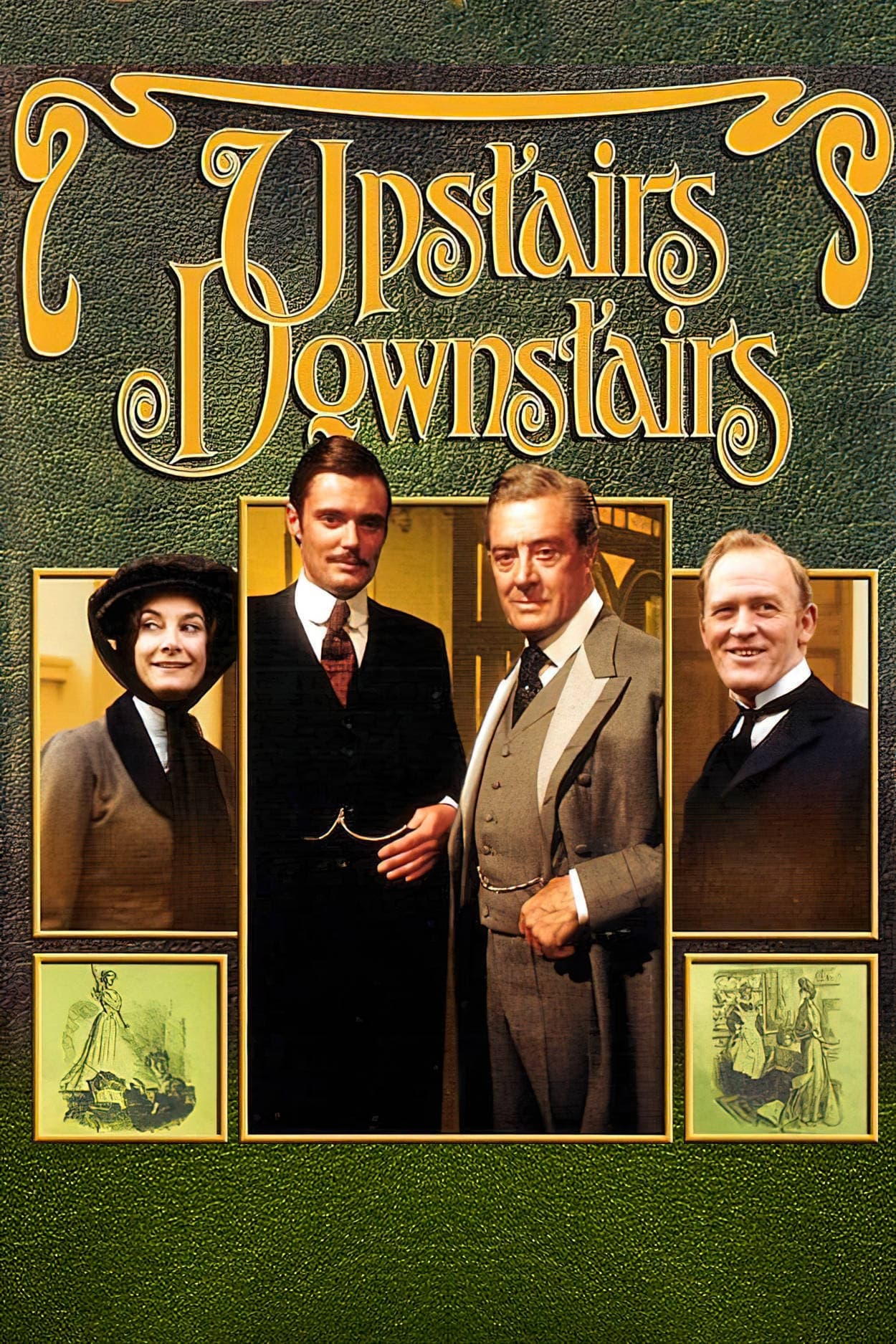
Upstairs, Downstairs (1971)
Overview
Upstairs, Downstairs is a classic period drama that aired between 1971 and 1975, regarded as one of the most foundational and influential productions in British television history. Set in the home of a wealthy family on Eaton Place in central London, the story portrays the layered structure of British society from the early 20th century onward, seen through the eyes of both the aristocratic family members upstairs and the servants downstairs. The series takes its name directly from this spatial and class-based divide; the upper floors of the house belong to the noble Bellamy family, while the lower floors belong to the world of staff — the kitchen, pantry, and servants' quarters.
For its time, the production was a remarkably ambitious project, as it aimed to portray the lives of both the wealthy family members and the people serving them with equal depth. This dual-perspective storytelling gave the series a social realism well ahead of its time and established it as one of the most significant representations of British social history in film and television. The series received great acclaim upon its release, won various awards, and went on to inspire similarly themed productions in later years.
Plot
The story unfolds around the Bellamy family, living in a townhouse on Eaton Place in London in the early 1900s. The lives of the family patriarch, a gentleman involved in politics, along with his wife and children, take shape amid the social expectations of the era, marriage politics, family conflicts, and a shifting world order. Meanwhile, the butlers, maids, cooks, and other staff working in the same house experience their own hierarchy, friendships, rivalries, and occasionally romantic relationships among themselves.
The most striking aspect of the series is how clearly it portrays the invisible yet powerful boundary between upstairs and downstairs. While the family members strive to maintain their social status, reputation, and traditions, the servants develop a similar sense of order, respect, and loyalty within their own small world. As time progresses, major historical events — the outbreak of World War I, the rise of women's rights movements, the shaking of class structures — profoundly affect the lives of characters both upstairs and downstairs. By conveying these great historical transformations through individual stories, the series offers a powerful panorama of the era.
Why Should You Watch It?
Upstairs, Downstairs is not merely a period drama but a production that also serves as a comprehensive documentary of British social history. Productions that handle class divisions, social change, and human relationships with such meticulous care are rare in television history. Rather than focusing solely on the lives of the wealthy, the series gives equal weight to the servants' perspective, reflecting the social reality of the era in a holistic way.
Furthermore, the series' costume design, set details, and scene design reflecting the atmosphere of the period give viewers a genuine journey through time. The in-depth development of the characters, each endowed with their own distinct motivations, fears, and dreams, allows viewers to form a strong bond with residents both upstairs and downstairs. This series, which laid the groundwork for later productions such as Downton Abbey, stands as an essential reference point for genre fans.
Who Is It For?
This series is ideal especially for viewers interested in classic British period dramas, historical narratives, and themes of social class. Viewers who enjoy a slow but in-depth style of storytelling, who value character development, and who pay attention to period detail will greatly enjoy this production. Additionally, those who appreciate works like Downton Abbey and The Crown will find that this series offers them an experience that feels familiar yet distinctly original.
For viewers seeking fast-paced, action-oriented productions, the series may feel a bit heavy, as Upstairs, Downstairs offers a storytelling style that requires patience, focusing on the inner world of its characters, their relationships, and social dynamics.
Pros and Cons
Pros:
1. A strong script that portrays class divisions and social change in a realistic and balanced manner.
2. Costumes, sets, and scene designs that successfully capture the atmosphere of the period.
3. Both upstairs and downstairs characters are developed in depth and with great care.
Cons:
1. Some scenes and the pacing of the narrative may feel heavy for today's viewers.
2. Due to early-era television production techniques, the visual quality remains limited compared to modern productions.
Genre and Tone
The series belongs to the period drama genre, and its overall tone is serious, thought-provoking, and at times melancholic. While it carries elements of social critique, it also focuses strongly on human relationships, family bonds, and themes of loyalty. Although there are humorous moments in some episodes, the general atmosphere is shaped to reflect the weight and social tensions of the era.
Runtime and Viewing Experience
The series is a lengthy production spanning multiple seasons, with each episode offering storytelling that is less fast-paced and more deeply focused on the details of the period. This structure, which allows viewers to form a strong bond with the characters over time, makes following the series as a whole an enjoyable experience. Since continuity between episodes is high, it is recommended to watch the series in sequence; this way, character development and social change can be followed within a more meaningful whole.
Similar Productions
- Downton Abbey
- The Crown
- Mr Selfridge
- Belgravia
- The Forsyte Saga
Final Assessment
Upstairs, Downstairs is a classic yet still compelling production that played a key role in shaping period dramas in television history. With its in-depth treatment of class differences, social change, and human relationships, it successfully captures the spirit of its era, going beyond being simply a family story. This series, which can be considered the ancestor of modern period dramas, is an essential classic for genre fans. Though it bears the marks of its time, it continues to offer a valuable experience to today's viewers through its powerful characters and social depth.
Details
Cast (281)






















































































































Sezonlar
Gelince haber ver 1971
 1972
 1973
 1974
 1975
Ödüller
- Peabody Ödülü 1977
- Drama Dizilerinde En İyi Kadın Oyuncu Emmy Ödülü 1975
- En İyi Drama Dizisi Emmy Ödülü 1975
- British Academy Television Award for Best Drama Series 1974
- En İyi Drama Dizisi Emmy Ödülü 1974
- En İyi Televizyon Dizisi Altın Küre Ödülü - Drama 1974
- British Academy Television Award for Best Drama Series 1973
17 adaylık
- Mini dizi ya da Filmlerde En İyi Yardımcı Aktris Emmy Ödülü 2011
- En İyi Televizyon Dizisi Altın Küre Ödülü - Drama 1977
- British Academy Television Award for Best Drama Series 1976
- Drama Dizilerinde En İyi Yazarlık Emmy Ödülü 1976
- En İyi Kadın Oyuncu Altın Küre Ödülü - Drama 1976
- British Academy Television Award for Best Actor 1975
- British Academy Television Award for Best Drama Series 1975
- Drama Dizilerinde En İyi Kadın Oyuncu Emmy Ödülü 1975
- Drama Dizilerinde En İyi Yardımcı Kadın Oyuncu Emmy Ödülü 1975
- En İyi Drama Dizisi Emmy Ödülü 1975
- British Academy Television Award for Best Drama Series 1974
- Drama Dizilerinde En İyi Kadın Oyuncu Emmy Ödülü 1974
- En İyi Drama Dizisi Emmy Ödülü 1974
- En İyi Kadın Oyuncu Altın Küre Ödülü - Drama 1974
- En İyi Televizyon Dizisi Altın Küre Ödülü - Drama 1974
- British Academy Television Award for Best Actress 1973
- British Academy Television Award for Best Drama Series 1973
ByTv Değerlendirmesi
Gallery
Yorumlar
Henüz yorum yok. İlk yorumu siz yazın.
Recommended



Yazıda geçen yapımlar
Senin için seçelim
Türe göre süz, puana göre sırala ya da çarkı çevirip sürpriz öneri al.