
The Postman
The Postman (1997) Overview The Postman, a 1997 post-apocalyptic film set in a dystopian future, has secured its place in cinema history. Directed by and starring Kevin Costner, the film is adapted from David Brin's novel of the s…
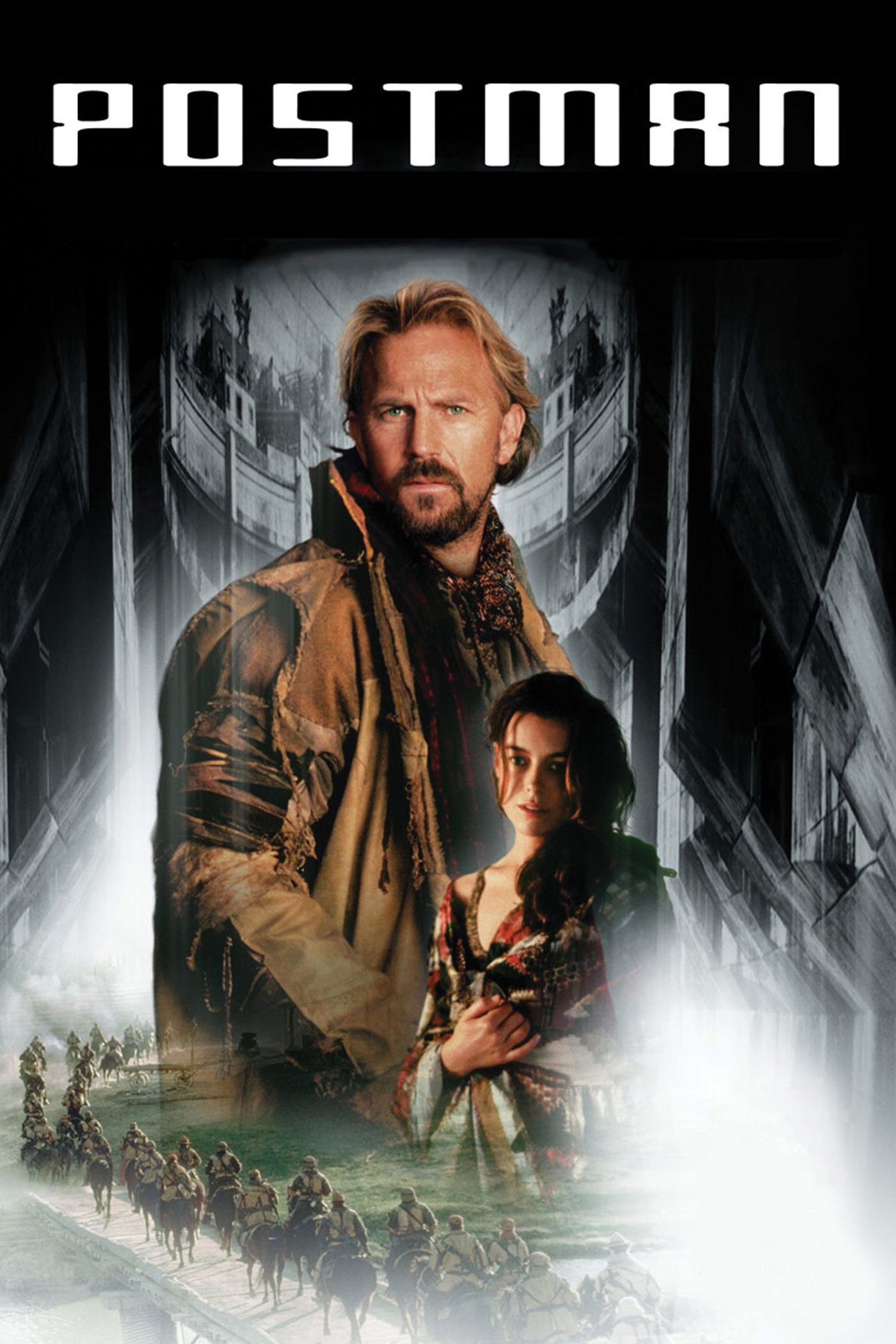
The Postman (1997)
Overview
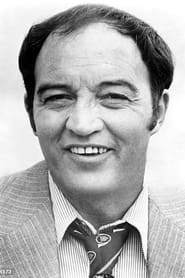
The Postman, a 1997 post-apocalyptic film set in a dystopian future, has secured its place in cinema history. Directed by and starring Kevin Costner, the film is adapted from David Brin's novel of the same name. It tells a large-scale story centered on America after the collapse of civilization, focusing on humanity's search for hope and communication. Although this high-budget production failed to meet the box-office expectations of its time, it is now viewed differently by a cult audience. Alongside Kevin Costner, the cast includes names such as Will Patton and Olivia Williams, while veteran actress Peggy Lipton also appears in the film, contributing to the story. Peggy Lipton's performance stands out as one of the elements that strengthens the human dimension of the dystopian atmosphere.
The film offers a lengthy 177-minute narrative, during which the viewer witnesses the details of a collapsed world, the inner lives of the characters, and the process of rebuilding social structures. Known as one of the most controversial productions of 1997, The Postman created sharp divisions of opinion among both critics and audiences. However, over time, a segment of viewers has come to believe that the themes and visual world the film presents deserve to be reassessed.
Plot
The film is set in an America where civilization has collapsed following a great catastrophe, and societies have splintered into small, isolated communities. In this dark world, communication networks have been completely severed, and people struggle to survive, hopeless and unaware of one another. The main character is a wandering man who presents himself as a postman and wears an old postal uniform. Initially acting solely out of a desire to survive, this character gradually comes to realize the impact the role he has taken on has on other people.
The postman identity ceases to be a mere disguise and transforms into a symbolic force connecting scattered communities. Carrying letters signifies not just a physical act, but also a movement that revives hope and faith in the future. Throughout the film, our protagonist, who confronts an oppressive regime ruled by an authoritarian leader, becomes part of the resistance that develops against this regime. The character portrayed by Peggy Lipton offers an important context that shows the human relationships within this social structure and how hope begins to take root.
The story recounts how an individual journey turns into a social movement, how hope spreads, and how people can unite around a common purpose. In this sense, the film is not merely a survival story but also serves as a metaphor for social reconstruction and the power of human will.
Why Watch It?
The Postman offers a different perspective for fans of dystopian cinema. What sets it apart from classic examples of the genre is its focus on hope and human bonds rather than a narrative built on violence and chaos. The film treats the collapse of civilization not merely as a story of destruction, but as a process of rebuilding and social healing. In this respect, it has the potential to convey meaningful messages to today's audiences as well.
The film's large-scale production value is notable for the cinematic techniques of its era. Scenes shot in natural landscapes successfully convey the both eerie and magnificent atmosphere of a collapsed world. Additionally, Kevin Costner's performance as both director and actor is one of the elements that heightens the film's emotional depth.
Peggy Lipton's presence in the film is of particular interest to viewers who follow classic Hollywood acting. Her performance offers a contribution that strengthens the human side of the story, making the bonds between characters feel more genuine.
Who Is It For?
The Postman is a suitable choice for viewers who enjoy post-apocalyptic and dystopian themes and who are receptive to lengthy narratives. For those seeking action-driven, fast-paced productions, the film may feel a bit slow; however, it offers a satisfying experience for viewers who value character development, social themes, and symbolic storytelling.
Cinephiles who follow classic-era Hollywood productions and are curious about Kevin Costner's filmography may also enjoy this work. Additionally, for viewers who closely follow Peggy Lipton's career, the film serves as an important reference point.
Pros and Cons
Pros:
1. Large-scale visual production and striking natural landscapes
2. The original treatment of hope and social reconstruction themes
3. Strong performances from the cast, including Peggy Lipton
Cons:
1. Its 177-minute runtime may be tiring for some viewers
2. The pacing of the narrative slows down in some sections
Genre and Tone
The film combines the genres of dystopia and drama while also incorporating a light element of adventure. In tone, it is an emotionally deep work that highlights humanity's resilience and hope even in a dark and hopeless world. Although scenes of violence are present, the film's core emphasis is always on human bonds and social healing.
Runtime and Viewing Experience
With its 177-minute runtime, The Postman is one of the longest productions in cinema history. This length is used to explore the story's expansive world and character development in detail. The viewer's patience in accompanying this long journey allows for a better understanding of the themes and character depth the film offers.
Similar Productions
- Waterworld (1995)
- Mad Max: Fury Road (2015)
- I Am Legend (2007)
- The Book of Eli (2010)
Final Assessment
Although The Postman failed to meet the box-office expectations of its time, it is a production that deserves to be regarded as a distinct voice within dystopian cinema. Woven around themes of hope, communication, and social reconstruction, the story is a large-scale production reflecting Kevin Costner's vision and the contributions of experienced actors like Peggy Lipton. Despite its structure, which may prove somewhat challenging due to its long runtime for viewers who prefer fast-paced storytelling, the film today stands as a work worth rediscovering from a different perspective.
Details
Cast (75)





































Ödüller
- En Kötü Erkek Oyuncu Altın Ahududu Ödülü 1997
- En Kötü Film Altın Ahududu Ödülü 1997
- En Kötü Yönetmen Razzie Ödülü 1997
- Golden Raspberry Award for Worst Original Song 1997
- Golden Raspberry Award for Worst Screenplay 1997
5 adaylık
- En Kötü Erkek Oyuncu Altın Ahududu Ödülü 1997
- En Kötü Film Altın Ahududu Ödülü 1997
- En Kötü Yönetmen Razzie Ödülü 1997
- Golden Raspberry Award for Worst Original Song 1997
- Golden Raspberry Award for Worst Screenplay 1997
ByTv Değerlendirmesi
Gallery
Yorumlar
Henüz yorum yok. İlk yorumu siz yazın.
Recommended






Yazıda geçen yapımlar
Senin için seçelim
Türe göre süz, puana göre sırala ya da çarkı çevirip sürpriz öneri al.