
The Longest Day
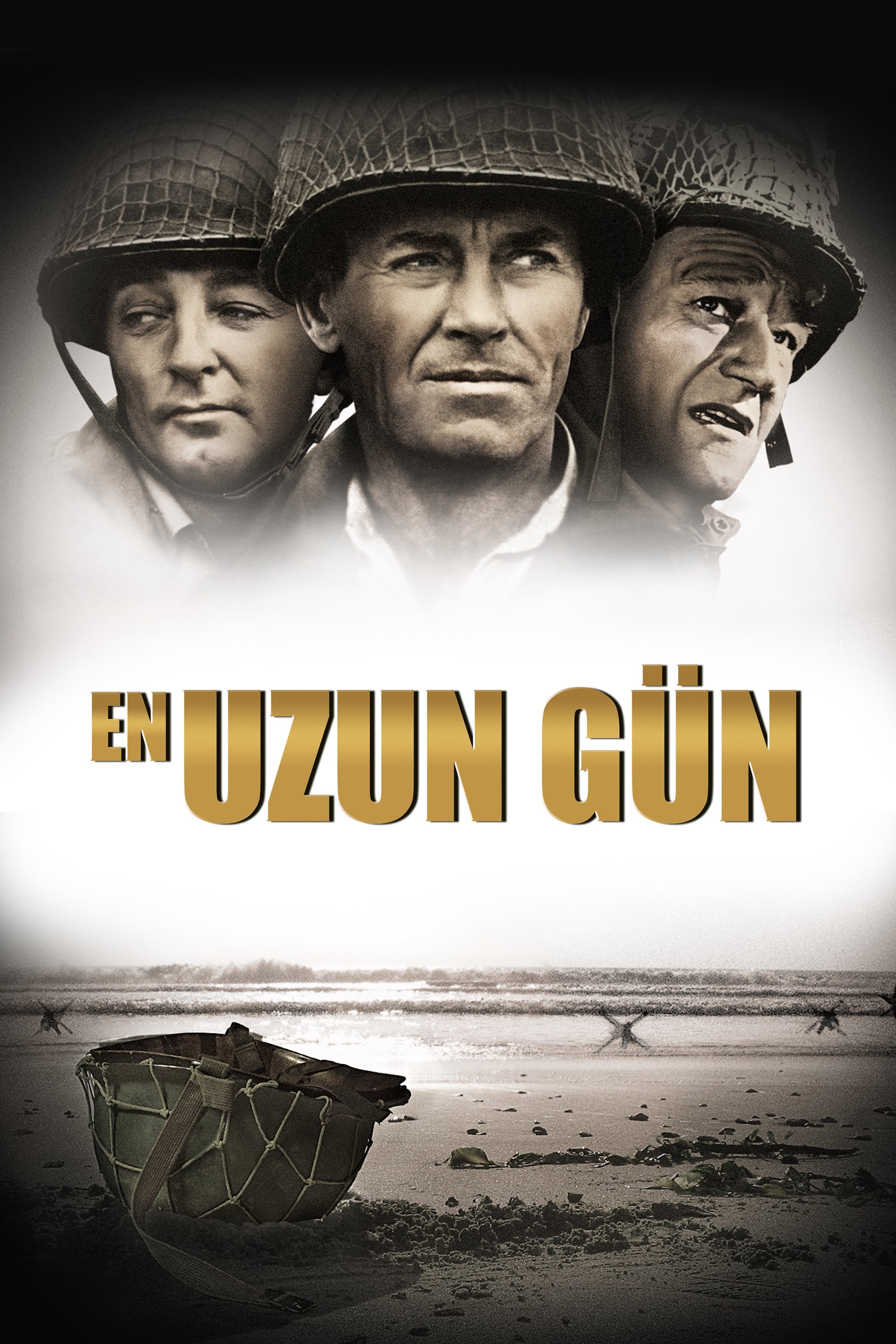
The Longest Day (1962) Overview The Longest Day retains its place in cinema history as one of the most monumental and ambitious productions of World War II cinema. Released in 1962, the film was adapted from Cornelius Ryan's docum…
The Longest Day (1962)
Overview
The Longest Day retains its place in cinema history as one of the most monumental and ambitious productions of World War II cinema. Released in 1962, the film was adapted from Cornelius Ryan's documentary-style book of the same name, and it stands as one of the rare productions bold enough to depict the Normandy Landings—D-Day—from both the Allied and German perspectives. Brought to life through the collaborative work of multiple directors, including Ken Annakin, Andrew Marton, and Bernhard Wicki, the film had one of the largest production budgets in the industry at the time and adopted a real-time, almost documentary-style narrative approach.
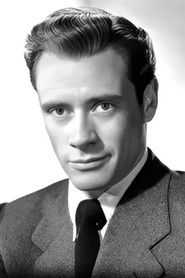
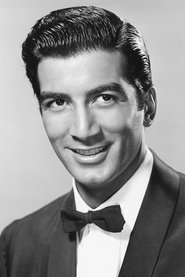
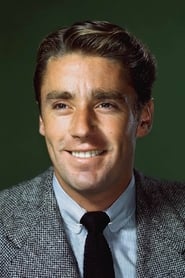
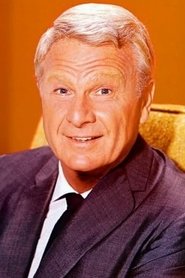
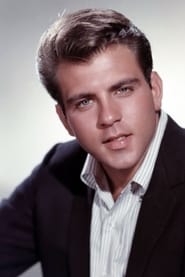
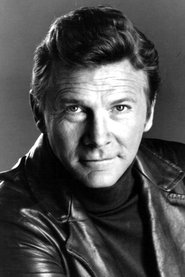
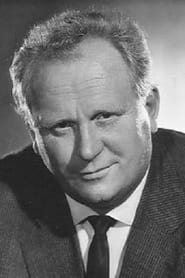
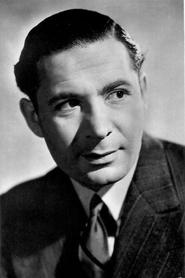
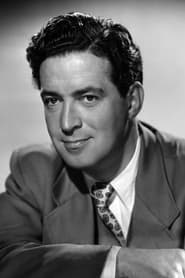
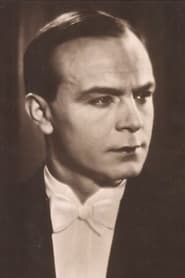
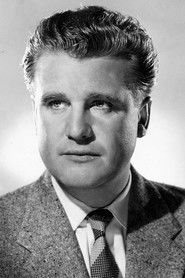
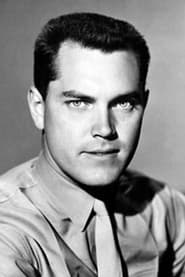
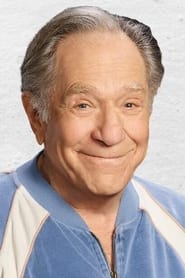
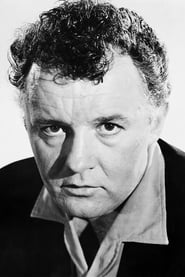
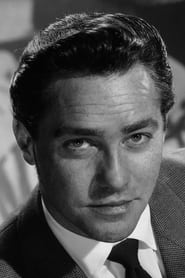
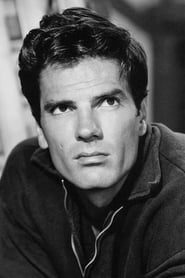
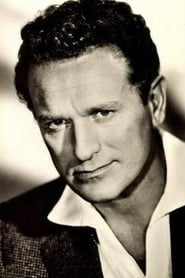
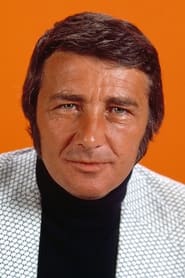
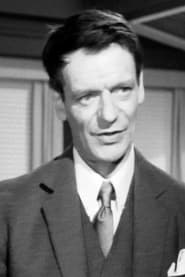
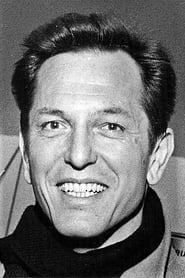
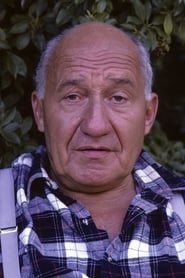
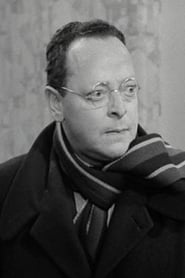
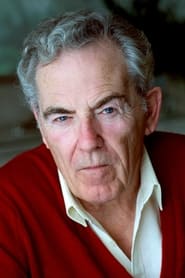
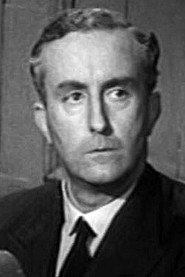
The film stands out for including scenes shot in English, German, and French; this multilingual structure aims to let the audience experience every side of the conflict more authentically. Featuring a massive cast, the production includes major names such as John Wayne, Robert Mitchum, Henry Fonda, and Sean Connery, alongside character actors like Roddy McDowall. McDowall's brief but meaningful performance in the film showcases the sheer breadth of the cast and the production's ability to bring together such an enormous ensemble.
The black-and-white cinematography reinforces the film's gravity and historical weight, while its wide-angle battle scenes remain impressive even today, considering the technical capabilities of the era.
Plot
The film examines the lead-up to, planning of, and the day itself of the Normandy Landings that took place on June 6, 1944, from a multifaceted perspective. Different storylines are woven together in parallel: the tension within the Allied command structure, the courage and fear of soldiers on the ground, the activities of the French resistance, and the German army's failure to anticipate the landing.
Rather than following a single hero or a single front, the narrative unfolds through numerous characters and storylines in a way that reflects the sheer scale of the war. This structure conveys to the audience that the landing was not merely a military operation but a historic turning point that simultaneously shaped the fates of thousands of people. The character played by Roddy McDowall is also part of this broad mosaic, representing the small but deeply human moment of an ordinary soldier within this great historical event.
Why Watch It?
The Longest Day serves as more than just a war film—it stands as a reference point for how epic storytelling can be constructed in cinema history. Its commitment to fidelity to real events, the large-scale scenes achieved with the technical means of its era, and its multinational perspective are the key elements that set it apart from similar films. Additionally, its enormous cast offers viewers what feels like a veritable "parade of stars" viewing experience.
For history enthusiasts, the film serves as a valuable resource for understanding the strategic dimensions of D-Day, while for film lovers, it is well worth watching as a masterpiece from the golden age of large-scale productions.
Who Is It For?
This film is ideal especially for viewers interested in World War II history, who appreciate classic Hollywood productions, and who enjoy epic-scale war narratives. For audiences accustomed to action-heavy, fast-paced modern war films, the pacing may initially feel slow; however, watched with patience, the historical depth and atmosphere the film offers provide great satisfaction. It is also a fulfilling choice for those who want to see classic film actors together on screen and who enjoy broad, multi-character narrative structures.
Pros and Cons
Pros:
1. Its multinational perspective addresses all sides of the conflict in a balanced manner.
2. It boasts one of the largest and most impressive casts of its era.
3. Its black-and-white cinematography creates a powerful, documentary-like atmosphere.
Cons:
1. Its long runtime and large number of characters may make it difficult for some viewers to follow.
2. Its pacing is heavier and its narrative style more classical compared to modern war films.
Genre and Tone
The film belongs to the historical war drama genre, and its overall tone rests on a serious, respectful, and documentary-like realism. Rather than opting for overly dramatized scenes, the narrative approach seeks to reflect the flow of events as faithfully as possible. At times tense and at times deeply human and emotional, the film presents less a narrative of individual heroism and more a panorama of collective struggle.
Runtime and Viewing Experience
With a runtime approaching three hours, the film demands patience and focus from the viewer. However, this length is necessary to convey the complexity and multidimensional nature of the landing. It is recommended that viewers watch the film in one sitting without interruption, as the connections between the parallel storylines are better grasped this way. Given the black-and-white image quality and the technical limitations of the era, modern viewers may need a bit of an adjustment period.
Similar Productions
- A Bridge Too Far (1977)
- Battle of the Bulge (1965)
- Midway (1976)
- Patton (1970)
- Dunkirk (2017)
Final Assessment
The Longest Day is an ambitious and comprehensive production that rightfully retains its place among the classics of war cinema. With its multifaceted narrative, expansive cast, and dedication to historical accuracy, it stands not merely as a war film but as a document of an era. This massive production, featuring names like Roddy McDowall, offers patient and history-loving viewers an unforgettable cinematic experience. It is a must-watch for anyone curious about the large-scale storytelling power of classic cinema.
Details
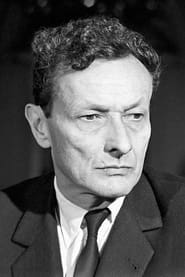
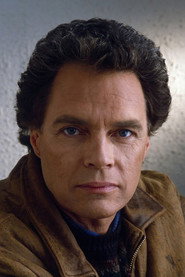
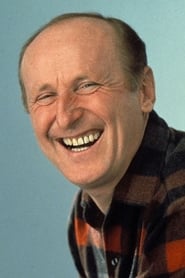
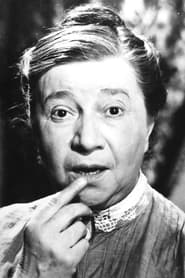
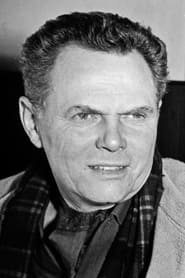
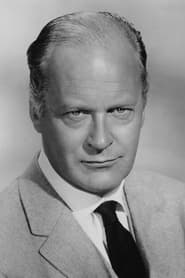
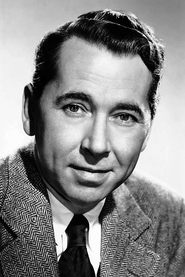
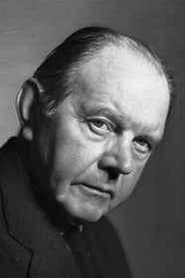
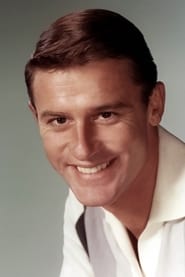
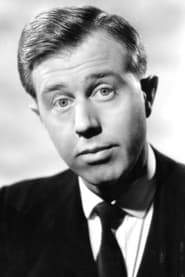
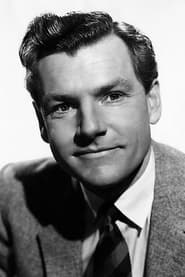
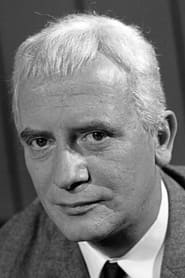
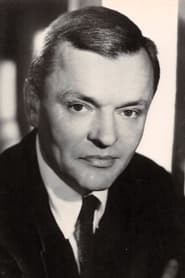
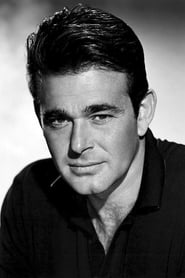
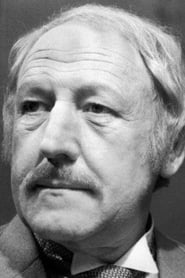
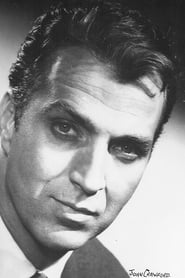
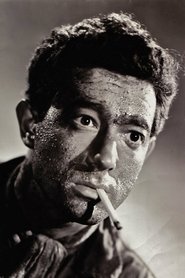
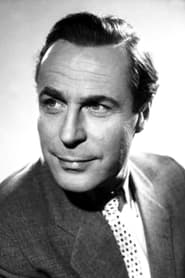
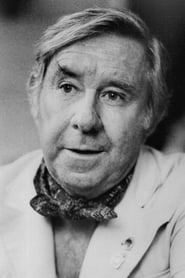
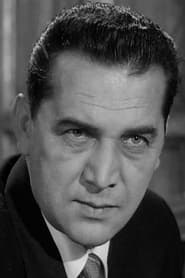
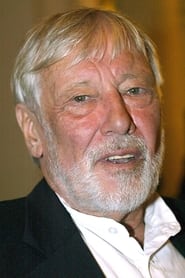
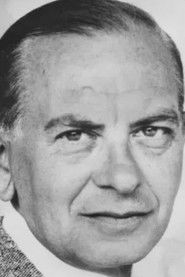
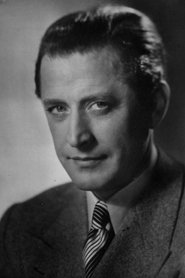
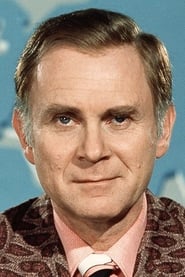
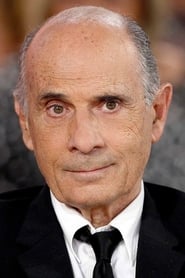
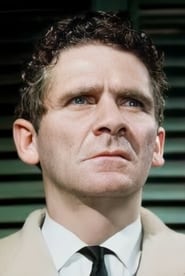
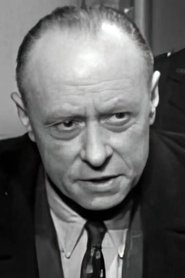
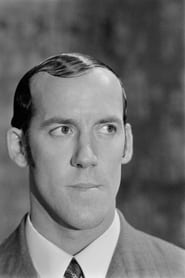
Cast (139)
















































Ödüller
- Academy Award for Best Cinematography, Black-and-White 1963
- Academy Award for Best Special Effects 1963
- Silver nugget for the best foreign film 1963
- En İyi Film National Board of Review Ödülü
- National Board of Review: Top Ten Films
5 adaylık
- Academy Award for Best Art Direction, Black and White 1963
- Academy Award for Best Cinematography, Black-and-White 1963
- Academy Award for Best Special Effects 1963
- En İyi Film Akademi Ödülü 1963
- En İyi Film Kurgusu Akademi Ödülü 1963
ByTv Değerlendirmesi
Gallery
Yorumlar
Henüz yorum yok. İlk yorumu siz yazın.
Recommended

Yazıda geçen yapımlar
Senin için seçelim
Türe göre süz, puana göre sırala ya da çarkı çevirip sürpriz öneri al.