
Rio Lobo
Rio Lobo (1970) Overview Rio Lobo is a 1970 Western classic notable for being the final film of legendary director Howard Hawks's career. Starring John Wayne in the lead role, this production is the last installment in what's know…
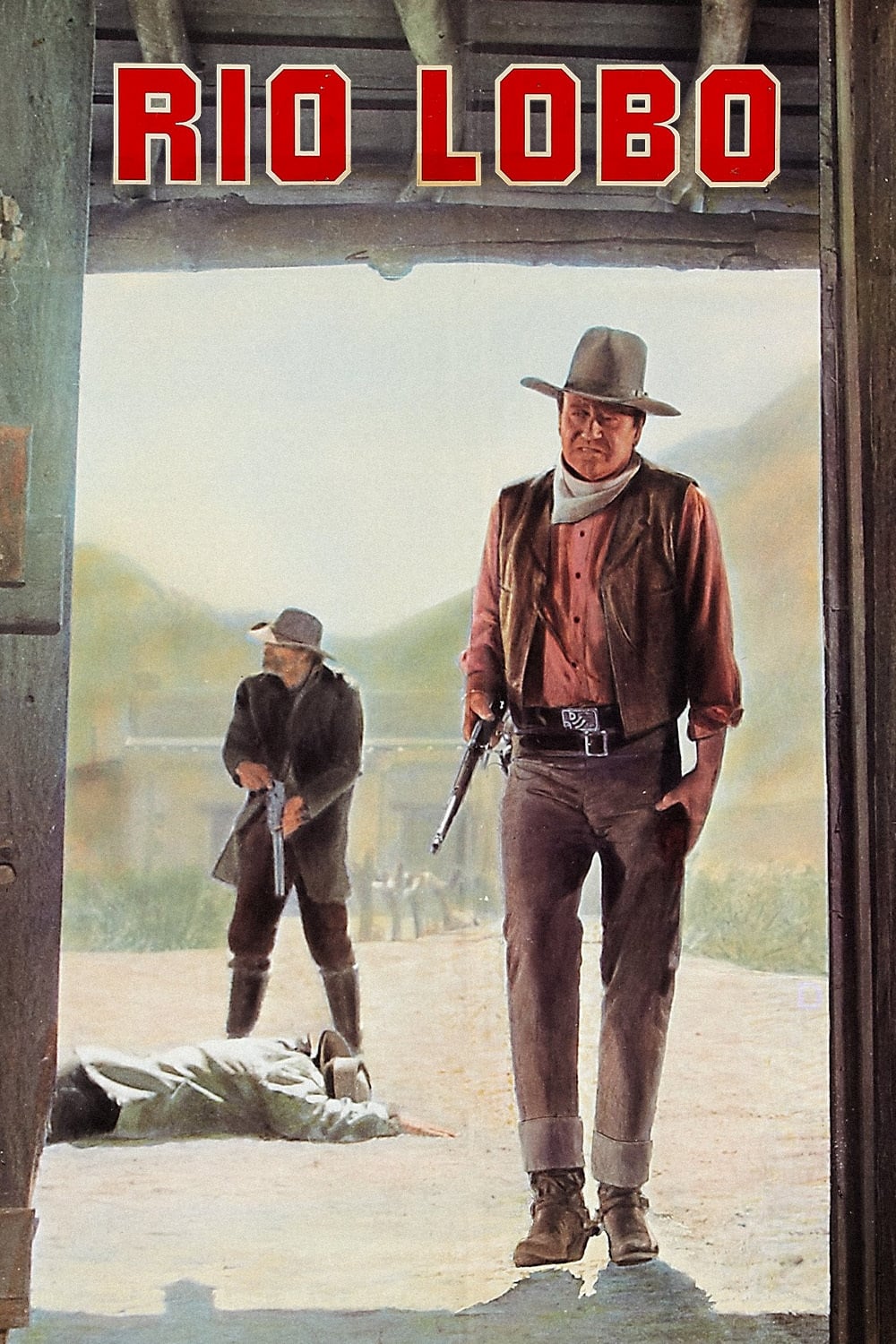
Rio Lobo (1970)
Overview
Rio Lobo is a 1970 Western classic notable for being the final film of legendary director Howard Hawks's career. Starring John Wayne in the lead role, this production is the last installment in what's known as Hawks's "Rio Bravo Trilogy," alongside El Dorado. Set in the period immediately following the American Civil War, the film presents a traditional Western narrative that blends themes of honor, justice, and revenge.
Representing the closing chapter of Howard Hawks's long and prolific career, this film contains all the elements of classic Western cinema: vast open landscapes, horseback chases, gunfights, and powerful dialogue between characters. With contributions from technical crew members like Robert Rothwell, a meticulous production emerged that meets the standards of its era. As one of the films John Wayne made toward the end of his career, it once again presents audiences with the actor's iconic Western screen presence.
The film holds a special place in cinema history both for carrying Hawks's directorial signature and for representing one of the final examples of classic Hollywood Westerns.
Plot
The story centers on the experiences of Colonel Cord McNally (John Wayne), who serves in the Union army during the American Civil War. Determined to find those who betrayed him during the war and caused harm to his unit, McNally continues pursuing these targets even after the war ends.
During his journey, McNally is forced to ally with former enemies who once fought on the opposing side but now assist him, and he finds himself drawn into an unexpected power struggle in a small border town. The events that unfold between a tyrannical gang that has seized control of the town and the people living under their oppression transform McNally's personal quest for revenge into a larger fight for justice.
Throughout the film, the trust relationships between characters, the evolution of past enmities into present-day friendships, and the classic Western's indispensable good-versus-evil conflict are skillfully handled. True to Hawks's storytelling style, interactions between characters are as central to the story as the action sequences.
Why Watch It?
Rio Lobo is worth watching as one of the final representatives of the golden age of Western cinema, a production that preserves the genre's classic values. Being a fitting final film for Howard Hawks's career holds special significance for film history enthusiasts.
John Wayne's performance in this film once again showcases the actor's typical strong, fair, and resolute Western persona. In this film made in the later stages of his career, Wayne successfully conveys the maturity and leadership qualities of a seasoned warrior.
The film's visual aesthetic is supported by wide-angle shots, striking landscapes, and well-choreographed action sequences fitting the standards of Western cinema of the era. Additionally, Hawks's character-driven storytelling offers a story experience centered not just on action but also on the dynamics between characters.
For classic Western fans, this film promises a satisfying cinematic experience that meets all the genre's requirements while exploring themes of honor, loyalty, and justice.
Who Is It For?
Rio Lobo is ideal primarily for viewers interested in classic Western cinema and those who follow John Wayne's filmography. Film lovers who appreciate Howard Hawks's directorial style and have watched his other works (such as Rio Bravo and El Dorado) will see familiar themes reworked in this film.
It will also be a satisfying choice for viewers curious about 1970s Hollywood production sensibilities and interested in the aesthetics of period films. The film has a pace suited to those who prefer action-packed stories that also value character development.
Viewers who prefer classic, linear storylines over dense, complex modern narrative structures will find a viewing experience suited to their tastes in this film. It's also a production worth examining for film history students and researchers, given its status as Hawks's final work.
Pros and Cons
Pros:
1. John Wayne's charismatic and compelling performance successfully conveys the character's leadership qualities.
2. Howard Hawks's experienced directorial approach ensures the scenes are edited smoothly and effectively.
3. Visual compositions and action sequences befitting classic Western aesthetics provide the viewer with a satisfying watching experience.
Cons:
1. The film may have a more predictable storyline compared to some Western productions of its era.
2. For modern audiences, the pacing may feel slower than today's action films.
Genre and Tone
Rio Lobo is a pure Western in every sense, carrying all the classic elements of the genre: horseback chases, gun duels, border towns, and conflicts between lawmen and outlaws. The film's tone balances serious, dramatic moments with light, humorous dialogue in equal measure—a feature that is a signature of Hawks's cinema.
The overall atmosphere explores the tension between justice and impulsiveness, gaining depth through themes of trust and betrayal between characters. The action sequences are presented with a realistic approach, while the character dialogue reinforces the story's human dimension.
Runtime and Viewing Experience
The film has a length consistent with the standard runtime of classic Western productions and develops its story without boring the viewer. Transitions between scenes are smooth, and a good balance is struck between action moments and dialogue scenes.
In terms of viewing experience, it's recommended to choose a high-quality viewing environment so the viewer can fully appreciate the wide-screen visuals and the atmosphere of the period. It's a production suitable for family viewing, with violence kept within classic Western standards.Similar Works
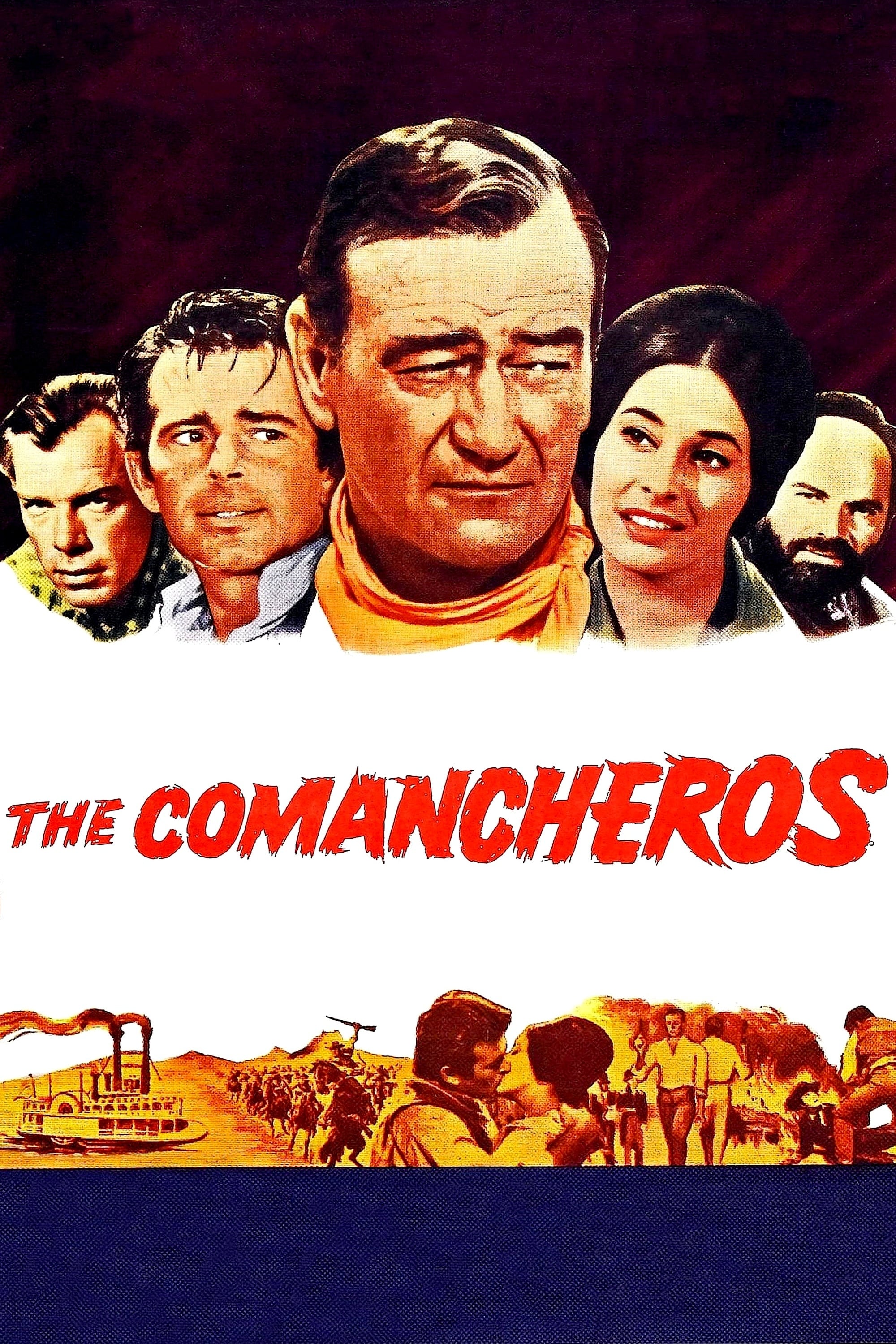
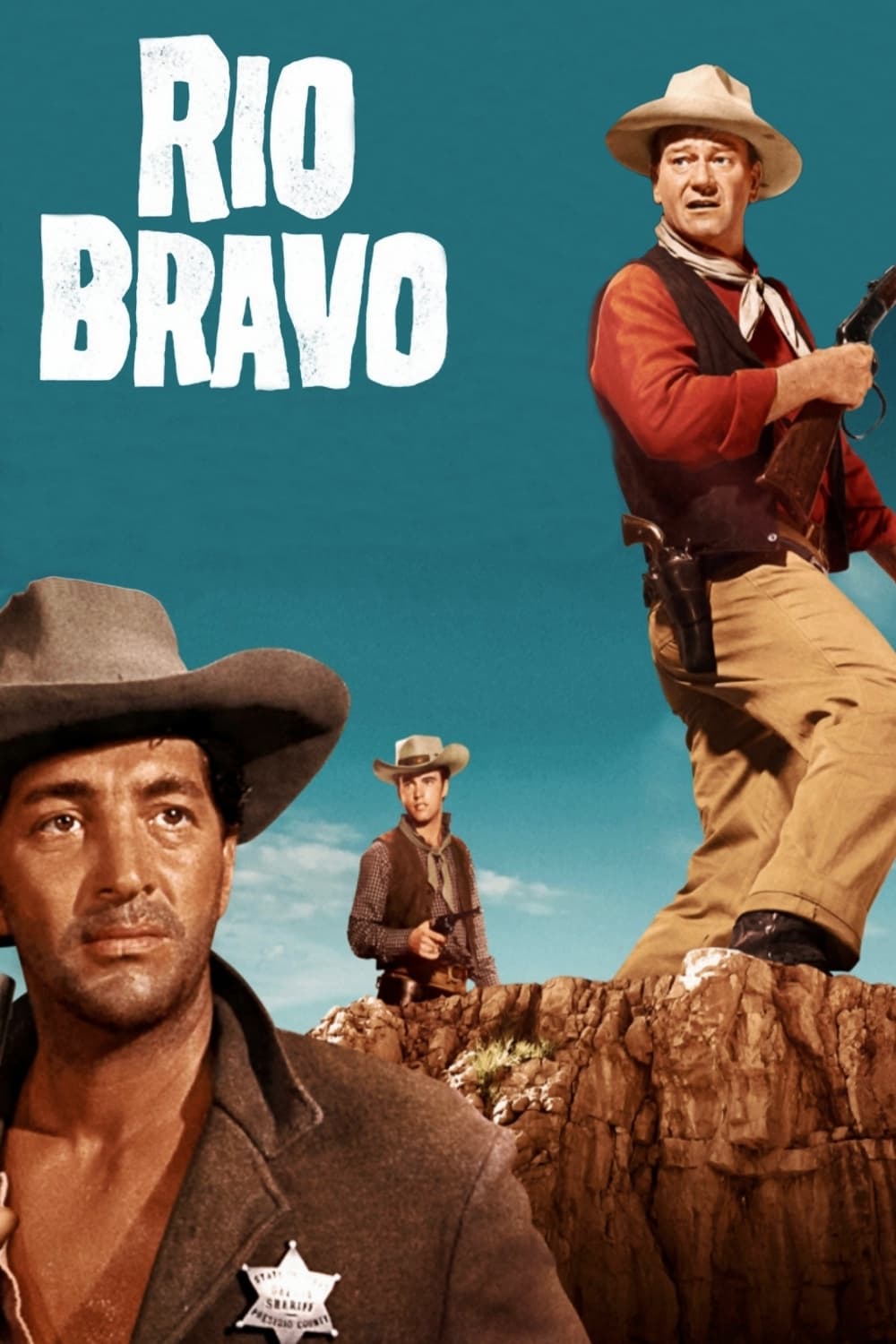
- Rio Bravo (1959) - The first film in Howard Hawks's same trilogy
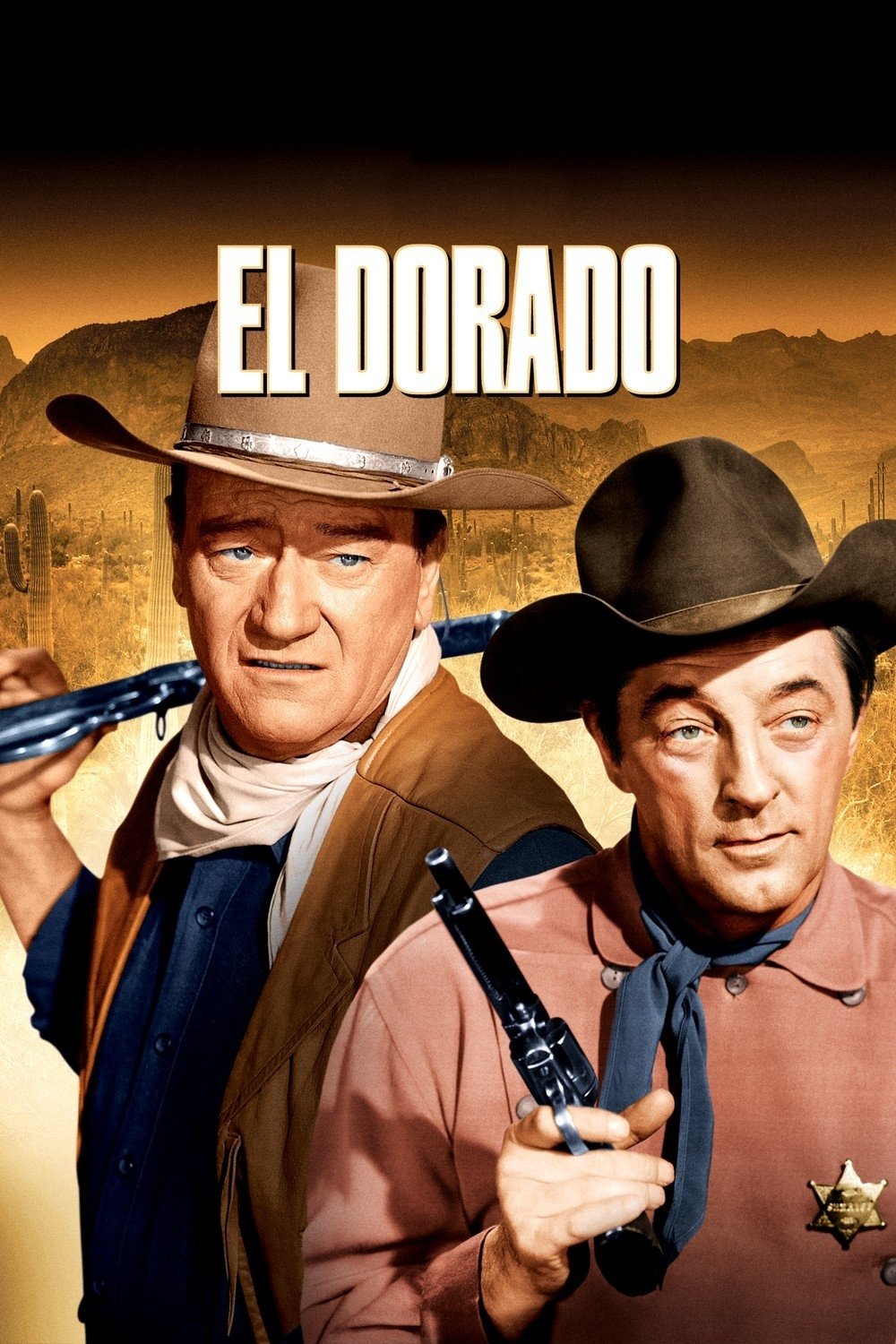
- El Dorado (1966) - The trilogy's second film, with similar themes and cast
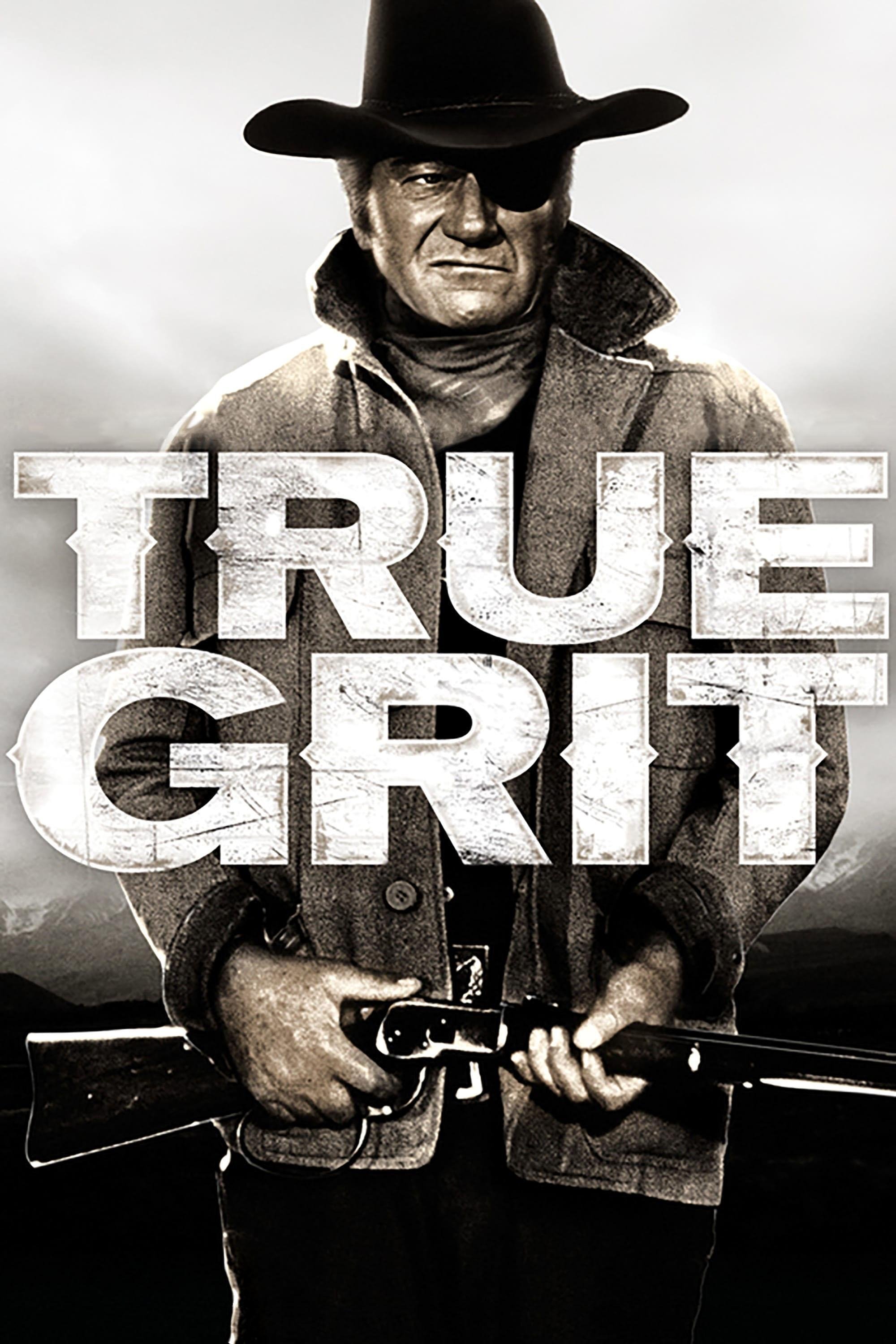
- True Grit (1969) - John Wayne's Oscar-winning Western performance
- The Searchers (1956) - Another classic Western role for John Wayne
- Chisum (1970) - Another Wayne Western made in the same period
Final Assessment
Rio Lobo is an important production that, as a fitting final film for Howard Hawks's career, carries the values of classic Western cinema to the big screen one last time. With John Wayne's compelling performance and Hawks's experienced directorial touch, it offers a satisfying cinematic experience for genre fans. With its place in film history and its structure that preserves classic Western aesthetics, it promises a viewing experience that is both nostalgic and educational.
Details
Cast (41)














ByTv Değerlendirmesi
Gallery
Yorumlar
Henüz yorum yok. İlk yorumu siz yazın.
Recommended
Yazıda geçen yapımlar
Senin için seçelim
Türe göre süz, puana göre sırala ya da çarkı çevirip sürpriz öneri al.