
Planet of the Apes
Planet of the Apes (1968) Overview "Planet of the Apes," released in 1968, is a masterpiece widely regarded as one of the cornerstones of science fiction cinema. Directed by Franklin J. Schaffner, the film is an adaptation of Pier…

Planet of the Apes (1968)
Overview
"Planet of the Apes," released in 1968, is a masterpiece widely regarded as one of the cornerstones of science fiction cinema. Directed by Franklin J. Schaffner, the film is an adaptation of Pierre Boulle's novel of the same name. In a production starring Charlton Heston in the lead role, the character Cornelius, played by Roddy McDowall, stands out as one of the film's most memorable figures. McDowall delivered an unforgettable performance, bringing his ape character to life using makeup and prosthetic techniques that were still in their infancy at the time.
The film holds a special place in cinema history not only for its visual effects and makeup design, but also for the philosophical and social critiques it offers. Despite being shot in 1968, it continues to leave a striking impression on audiences even today, and has been preserved as a culturally, historically, and aesthetically significant work by being included in the American National Film Registry.
The production's score bears the signature of composer Jerry Goldsmith and stands out for its remarkably experimental, atmospheric sound design for its era. This music is one of the most important elements reinforcing the film's tense, alienation-themed atmosphere.
Plot
The story follows a group of astronauts who crash-land on an unknown planet after a long journey through space. The team, led by Taylor, played by Charlton Heston, encounters an unusual order on the planet where they've crashed: here, apes are the dominant species—capable of speech, thought, and possessing a social hierarchy—while humans are primitive, speechless creatures treated as slaves.
Taylor's struggle to survive in this strange world also reveals the internal dynamics of this ape society, the tension between science and religion, and the power relations between species. Cornelius, played by Roddy McDowall, plays a critical role in the story's progression through his identity as a scientist; with his curiosity and relatively open-minded approach, he forms a counterbalance to the planet's rigid social norms.
The truths revealed as the film progresses lead to one of the most talked-about final scenes in cinema history, deeply shaking the audience. Withholding details about this ending is important in order to preserve the film's impact on viewers.
Why Watch It?
"Planet of the Apes" holds up a sharp mirror to the human condition, going far beyond being merely a science fiction film. The way the film addresses themes like racism, prejudice, religious dogmatism, and anti-scientific attitudes through ape society offers viewers an indirect yet extremely effective critique. This allegory, reflecting the social anxieties of 1968, points to universal issues that remain relevant today.
Roddy McDowall's performance is one of the most important elements enhancing the film's emotional depth. His ability to convey his character's facial expressions and emotional transitions even under heavy makeup is an admirable achievement in acting. Additionally, the film's makeup and costume designs, which can be considered revolutionary for their time, marked a turning point in cinema history through John Chambers' work, which was honored with an Academy Award.
The film also boasts one of the most iconic and shocking endings in cinema history. This finale is constructed in a way that lingers in the viewer's mind for a long time, and is one of the biggest reasons the film is counted among the classics of the genre.
Who Is It For?
This film is ideal for classic cinema enthusiasts, those interested in the science fiction genre, and those who enjoy stories woven with social allegories. It also offers a visually instructive experience for those interested in the history of cinema and the development of makeup and effects artistry.
Viewers accustomed to action-packed, fast-paced modern science fiction productions may initially find the film's heavier, dialogue-driven narrative unfamiliar. However, when watched with patience, the philosophical depth and social critique the film offers turn into an extremely satisfying experience for those who appreciate this kind of storytelling. For fans of Roddy McDowall and viewers who value character acting, this production is a classic that should not be missed.
Pros and Cons
Pros:
1. Remarkably innovative and impressive makeup/prosthetic designs for its era.
2. Strong and impressive acting performances, especially from Roddy McDowall.
3. A deep, allegorical script structure containing social, religious, and scientific critiques.
Cons:
1. A narrative pace that may be considered slow by today's standards.
2. Some visual effects and set designs appearing dated due to technological limitations.
Genre and Tone
While the film is one of the classic examples of the science fiction genre, it also incorporates elements of dystopia, drama, and philosophical tension. In tone, it offers a serious, thought-provoking, and at times unsettling atmosphere. Rather than humor, a dark and critical approach centered on humanity's confrontation with itself prevails.
Runtime and Viewing Experience
The film runs approximately 112 minutes, and throughout this time it offers a gripping, curiosity-inducing narrative. Considering classic cinema pacing, the film is neither too long nor tedious in structure. This production, which can easily be watched in one sitting, leaves a lasting impression on viewers, especially with its final scene.
Similar Productions
- Conquest of the Planet of the Apes (1972)
- Rise of the Planet of the Apes (2011)
- Blade Runner (1982)
- Soylent Green (1973)
- The Twilight Zone (TV Series, 1959-1964)
Final Assessment
"Planet of the Apes" (1968) stands out as one of the most impressive science fiction productions in cinema history, distinguishing itself as a work far ahead of its time both visually and narratively. With Roddy McDowall's unforgettable performance, its strong screenplay, and its memorable finale, this film offers audiences not just a story, but a profound inquiry into humanity. It is a timeless masterpiece that must be watched by anyone interested in classic cinema and genre films.
Where to Watch

Details
Cast (44)



















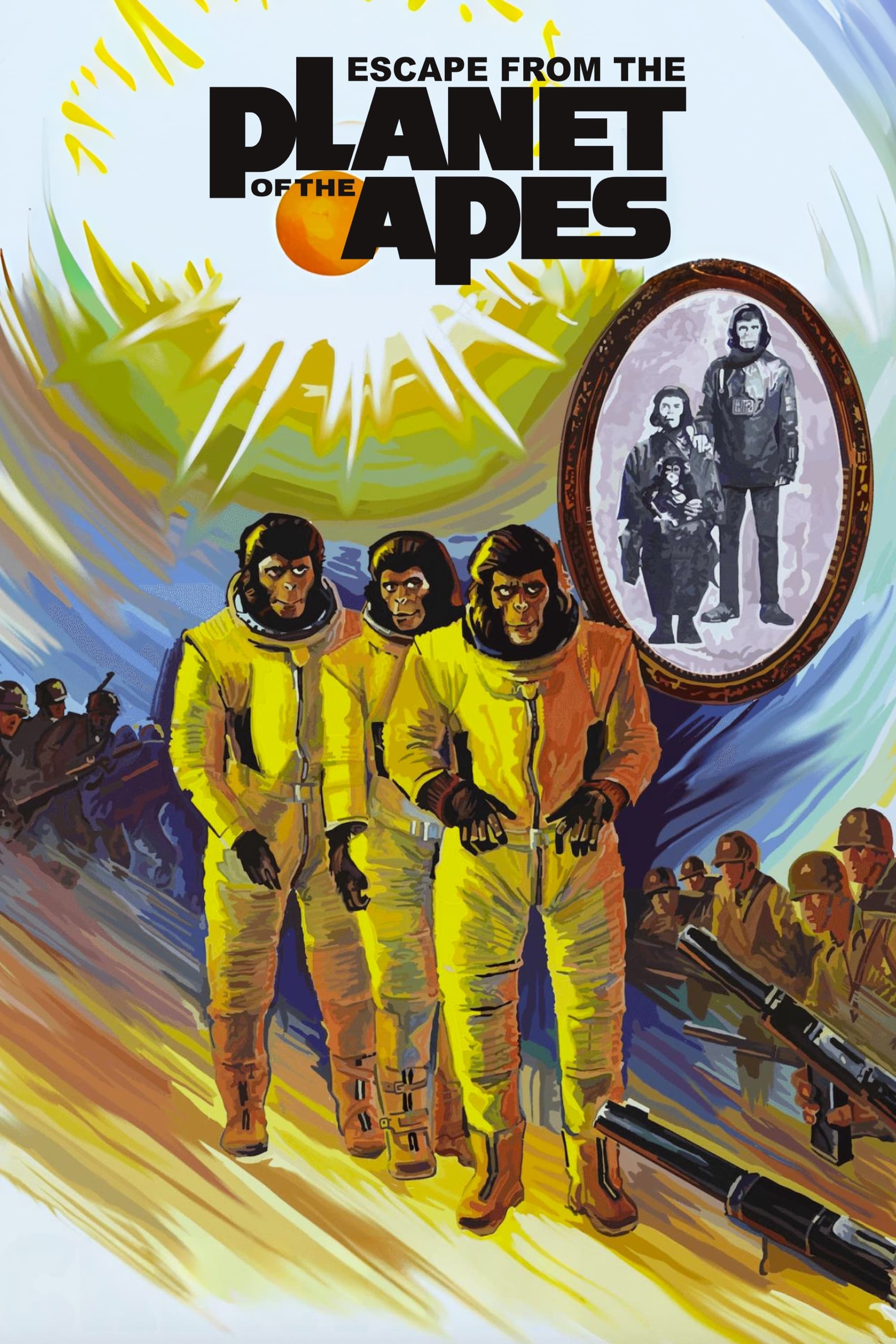
Maymunlar Cehennemi (Orijinal) Koleksiyonu
Ödüller
- National Board of Review: Top Ten Films
2 adaylık
- Academy Award for Best Original Score, no Musical 1969
- En İyi Kostüm Tasarımı Akademi Ödülü 1969
ByTv Değerlendirmesi
Gallery
Yorumlar
Henüz yorum yok. İlk yorumu siz yazın.
Recommended











Yazıda geçen yapımlar
Senin için seçelim
Türe göre süz, puana göre sırala ya da çarkı çevirip sürpriz öneri al.