
Party Girl
Party Girl (1958) Overview Party Girl is a 1958 production directed by Nicholas Ray, bringing a colorful and visually flamboyant interpretation to MGM's classic-era gangster film tradition. Starring Robert Taylor and Cyd Charisse…

Party Girl (1958)
Overview
Party Girl is a 1958 production directed by Nicholas Ray, bringing a colorful and visually flamboyant interpretation to MGM's classic-era gangster film tradition. Starring Robert Taylor and Cyd Charisse, the film tells a story set against the backdrop of 1930s Chicago, weaving together the underworld, the legal system, and the world of show business of the era. Its CinemaScope format and rich color palette are the most distinctive elements that set the film's visual identity apart from other crime films of its time.
While drawing on the conventions of classic Hollywood crime drama, the film also skillfully blends in melodramatic elements, romance, and dance sequences. Nicholas Ray's signature style shows through in camera angles that delve into the characters' inner worlds and in atmospheric lighting. The extensive cast, which includes character actors like Tom Hernandez, adds further texture to the film's period authenticity. Although Party Girl had limited commercial success, it has since been rediscovered by cinephiles and scholars alike, earning a special place in Nicholas Ray's filmography.
Plot
The story centers on a successful but conscience-stricken lawyer working within Chicago's underworld. This lawyer has earned both money and reputation by defending members of a powerful crime organization in court, but he feels the moral toll of his work more deeply with each passing day. His life takes a new turn when he meets a beautiful and passionate woman who works as a dancer in show business. She is a strong character coming to terms with her own past while trying to preserve her independence.
As the two characters grow closer, the lawyer's desire to escape the dangerous world he's caught up in is triggered. However, the leader of the crime organization is too powerful and dangerous to let the lawyer's loyalty go. As the film progresses, the audience witnesses the struggle of characters caught between love, loyalty, power dynamics, and moral choices. Scenes depicting the era's organized crime structures, courtroom proceedings, and the glittering yet perilous face of show business enrich the texture of the story.
Why Watch It?
Party Girl stands out for the visual innovation it brought to the classic Hollywood crime drama genre. The wide CinemaScope screen and vivid use of color set the film apart from the black-and-white or more visually subdued gangster films of its era. Nicholas Ray's mastery of scene composition is especially evident in the dance sequences and tension-filled confrontations.
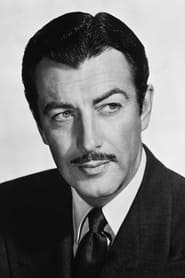
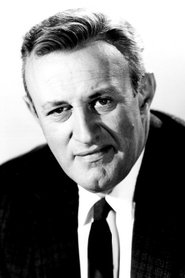
Robert Taylor's charismatic, internally conflicted performance conveys the character's moral dilemma convincingly. Cyd Charisse, meanwhile, brings a distinct energy to the film through both her acting and her dancing talent; the dance sequences reinforce the film's visual spectacle. Additionally, Lee J. Cobb's portrayal of the ruthless crime boss stands out as a powerful antagonist who heightens the film's tension.
Nicholas Ray's translation of film noir aesthetics into a colorful palette offers an experience worth examining from a film history perspective. For those curious about classic-era Hollywood productions, particularly the intersection of crime and melodrama genres, Party Girl promises a satisfying viewing experience both aesthetically and narratively.
Who Is It For?
Party Girl is an ideal choice for viewers interested in classic Hollywood cinema, especially the gangster and crime films of the 1950s. Those curious about Nicholas Ray's directorial style will enjoy discovering this lesser-known yet aesthetically rich film alongside his more celebrated works like "Rebel Without a Cause."
Additionally, fans of period drama and romance will be pleased with the film's love story and the tension-filled relationships between its characters. The film also holds a special appeal for cinema lovers who want to watch Cyd Charisse's dance performances. Cinephiles who appreciate classic-era acting styles and period costume and set design can have an enjoyable viewing experience by focusing on Party Girl's details.
On the other hand, viewers expecting fast-paced, modern action sequences may find the film somewhat slow and melodramatic. This production is valuable mainly for viewers who prioritize atmosphere, character depth, and visual aesthetics.
Pros and Cons
Pros:
1. A visually striking production for its time, thanks to its CinemaScope format and rich use of color.
2. Strong performances from Robert Taylor and Cyd Charisse, convincingly conveying the chemistry between the characters.
3. Nicholas Ray's directorial vision brings a new aesthetic dimension to the classic crime drama.
Cons:
1. The narrative pacing drags in some sections, which may require patience from today's viewers.
2. Some elements of the story resemble other gangster films of the era, which may limit its originality.
Genre and Tone
Party Girl is a hybrid production that brings together crime drama, romance, and melodrama. While carrying traces of film noir aesthetics, it creates a brighter, more glamorous tone through its colorful visual language and scenes depicting the world of show business. Tonally, the film continually strives to strike a balance between the dangers of the dark underworld and the warmth of the love story.
Nicholas Ray's signature is felt in the atmospheric tension he creates in suspenseful scenes and in the scene compositions that reflect the characters' emotional breakdowns. The film's overall tone carries the theatrical air typical of classic Hollywood dramas of the era, while also making room for realistic moral dilemmas.
Runtime and Viewing Experience
The film runs for approximately 99 minutes, and within this runtime it presents a balanced mix of the crime drama's tension and the emotional intensity of the romantic storyline. The viewing experience becomes especially striking on a big screen or a high-resolution display, thanks to the wide-screen presentation of the CinemaScope format.
The dance sequences and colorful set designs satisfy the viewer visually, while the story's dramatic elements help forge an emotional connection. For fans of classic-era films, this runtime delivers a satisfying experience both aesthetically and narratively.Similar Productions
- Rebel Without a Cause (1955)
- The Big Combo (1955)
- Some Came Running (1958)
- The Bad and the Beautiful (1952)
- Underworld U.S.A. (1961)
- Sweet Smell of Success (1957)
Final Assessment
Party Girl holds a special place in film history for the visual and narrative innovations Nicholas Ray brought to the classic Hollywood crime drama. Robert Taylor and Cyd Charisse's performances carry the film's emotional and dramatic weight, while CinemaScope's wide screen and colorful visual language set it apart from other gangster productions of its era. For viewers interested in classic-era cinema, Nicholas Ray's filmography, or period dramas, it offers an aesthetically rich cinematic experience well worth discovering.
Details
Cast (90)
































ByTv Değerlendirmesi
Gallery
Yorumlar
Henüz yorum yok. İlk yorumu siz yazın.
Recommended



Senin için seçelim
Türe göre süz, puana göre sırala ya da çarkı çevirip sürpriz öneri al.