
Paprika (1991)
Directed by Satoshi Kon and adapted from Yasutaka Tsutsui's novel of the same name, "Paprika" is regarded as one of the most original and unforgettable works in Japanese animated cinema. Although listed as a 1991 production, the w…
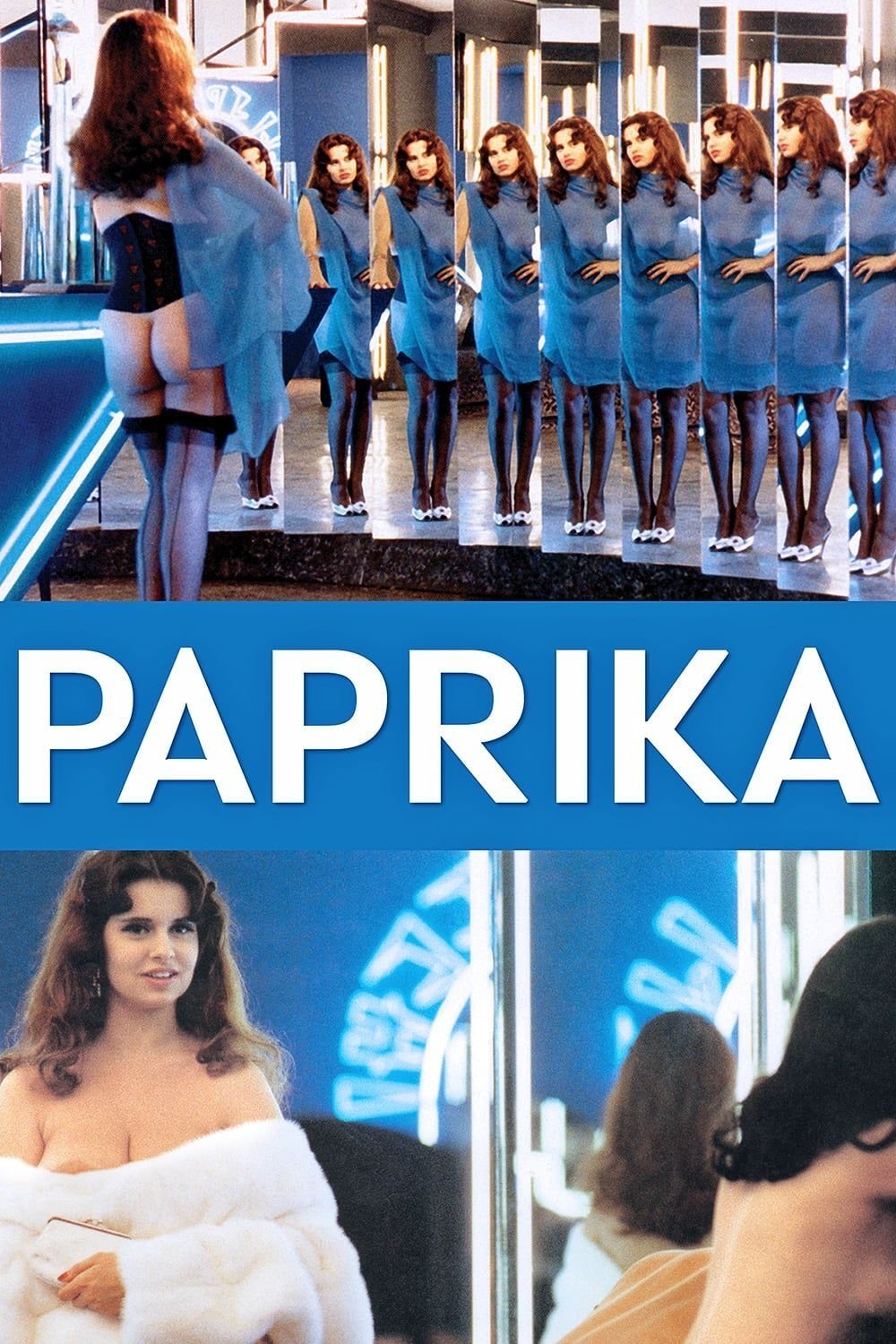
Overview
Directed by Satoshi Kon and adapted from Yasutaka Tsutsui's novel of the same name, "Paprika" is regarded as one of the most original and unforgettable works in Japanese animated cinema. Although listed as a 1991 production, the work was actually released in 2006 and gained a wide fan base worldwide, becoming legendary among anime fans for its mind-bending narrative. Bearing the signature of Madhouse studio, the film blends science fiction elements built around dream technology with psychological suspense, inviting viewers to question their perception of reality.
The film takes place in a world where a device called the DC Mini allows people to enter dreams and receive therapy. When this technology spirals out of control, it becomes a journey for both the characters and the audience in which the boundaries between reality and dream increasingly blur. Satoshi Kon's visual genius is reinforced by scenes that constantly shift, merge, and transform throughout the film. In this respect, "Paprika" is not just an anime but has become a reference point for how dream narration should be done in film history.
The soundtrack was composed by Susumu Hirasawa and adds an incredible layer to the film's atmosphere. In particular, the music and visual synchronization in the opening sequence is remembered as one of the most memorable scenes in animation history.
Plot
At the center of the story is Dr. Atsuko Chiba, a psychotherapist working in the field of dream therapy. Using an experimental device called the DC Mini, Chiba enters her patients' dreams to provide them therapy. In the dream world, she transforms into a younger, energetic, and bold alter ego she calls "Paprika." This dual identity forms one of the film's most compelling elements.
However, the DC Mini prototypes are stolen, and these devices carry the potential to become a dangerous weapon in the hands of malicious individuals. As dreams begin to infiltrate the real world, Chiba and her team race against time to find the stolen devices and stop the chaos this technology has caused. As events unfold, the line between dream and reality becomes increasingly blurred, and the viewer, along with the characters, struggles to distinguish which moments are real and which are dreams.
While questioning the power of technology over the human mind, the uncontrollable nature of the subconscious, and the concept of identity, the film also delivers breathtaking suspense.
Why Should You Watch It?
"Paprika" stands out with its visual design that pushes the boundaries of animated cinema. The surrealist approach Satoshi Kon employed in constructing the dream sequences has inspired many directors in the years since. The film's ability to blend transitions between reality and dream fluidly, without cuts, is also technically admirable.
Moreover, the work's philosophical depth ensures that it is not limited to being merely a visual feast. Themes such as consciousness, identity, technology addiction, and an individual's confrontation with their subconscious give the film a structure that offers new layers even upon repeated viewings. The harmony between the music and visual design provides the viewer with an unusual sensory experience.
As a work that has left its mark on the history of cinema and animation, it is a must-see for both fans of the genre and art-house cinema enthusiasts.
Who Is It Suitable For?
It is an ideal choice for viewers who enjoy complex, multi-layered narratives and who love science fiction combined with psychological suspense. Those who want to see that animation is not just for children, and that it can also delve deeply into adult themes, will greatly enjoy this film.
However, for viewers who prefer linear, easy-to-follow stories, the film may initially seem confusing. Since it is a narrative that requires careful viewing and is open to symbolism, it appeals to a patient and analytical audience.
Pros and Cons
Pros:
1. Satoshi Kon's unique visual direction and the fluid transitions of the dream sequences
2. Susumu Hirasawa's unforgettable music and audio-visual synchronization
3. In-depth philosophical subtext on identity, the subconscious, and technology
Cons:
1. The complex narrative structure may be confusing for some viewers on first viewing
2. The intense symbolism of some scenes may not satisfy viewers expecting explanations
Genre and Tone
The film melts science fiction, psychological suspense, and surrealism into one pot. Its tone generally carries a mysterious, unsettling, and at times nightmarish atmosphere. At the same time, humorous moments and human emotional depth are woven into the narrative. The visual language departs from classic animation aesthetics and takes on an experimental structure.
Runtime and Viewing Experience
The film presents a dense narrative in approximately 90 minutes. Despite its short runtime, it is quite packed in terms of content; therefore, it is recommended to watch it carefully, and if possible, in one sitting, in an environment free of distractions. The abundance of visual details and symbolic references makes it possible to discover new meanings upon repeated viewings.
Similar Productions
- Inception (2010)
- Millennium Actress (2001)
- Ghost in the Shell (1995)
- The Girl Who Leapt Through Time (2006)
Final Assessment
"Paprika" is a masterpiece that pushes the boundaries of animated cinema and masterfully blurs the line between dream and reality. Satoshi Kon's visual genius and storytelling are the elements that make the film timeless. It is an absolute must-watch for both fans of the genre and film lovers seeking deep, layered narratives.
Details
Cast (62)















































ByTv Değerlendirmesi
Gallery
Yorumlar
Henüz yorum yok. İlk yorumu siz yazın.
Recommended










Yazıda geçen yapımlar

Senin için seçelim
Türe göre süz, puana göre sırala ya da çarkı çevirip sürpriz öneri al.