
Ninja Operation 6: Champion on Fire
Ninja Operation 6: Champion on Fire (1987) Overview "Ninja Operation 6: Champion on Fire" stands out as one of the characteristic examples of the ninja-themed action film craze that was quite popular during its era, released in 19…
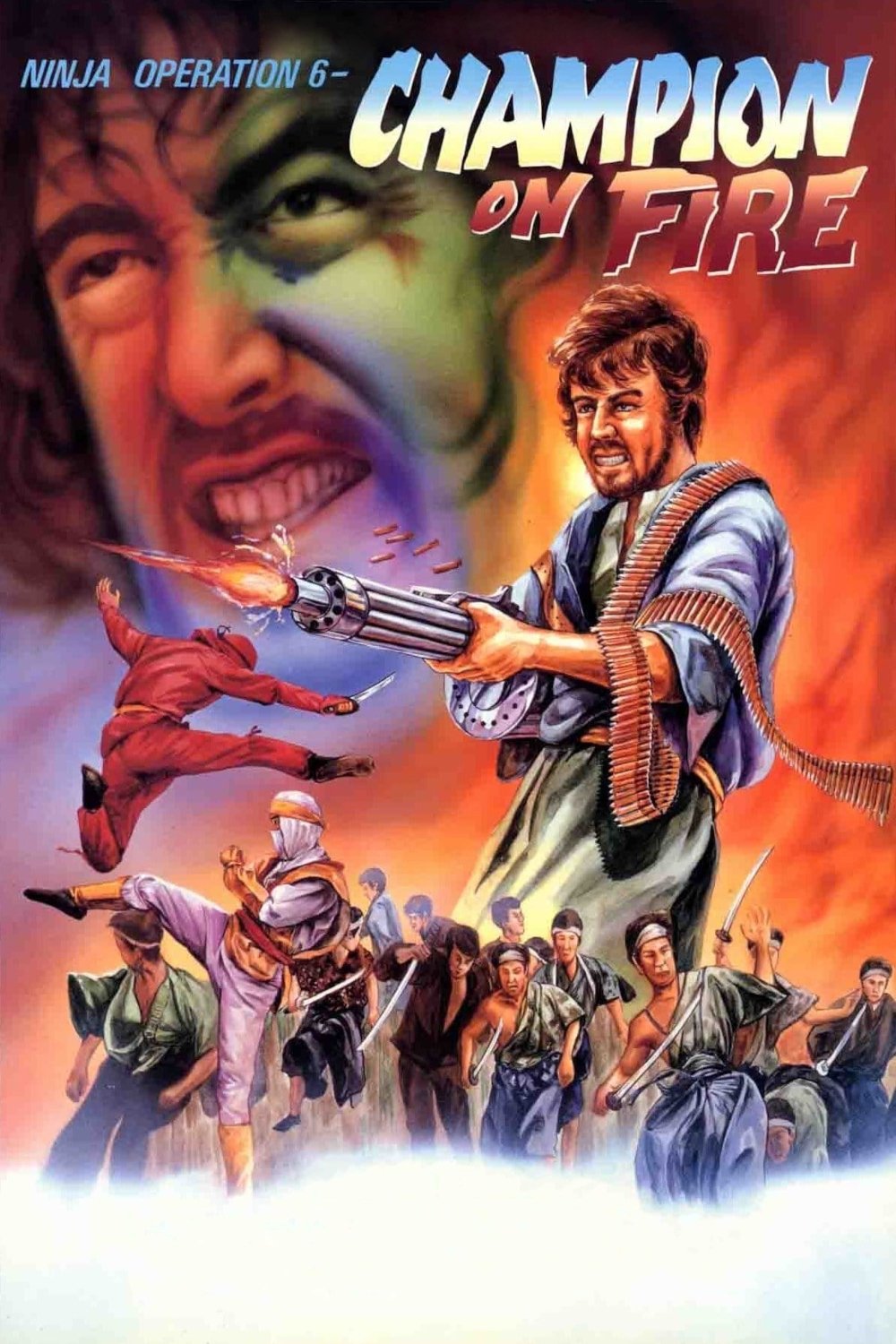
Ninja Operation 6: Champion on Fire (1987)
Overview
"Ninja Operation 6: Champion on Fire" stands out as one of the characteristic examples of the ninja-themed action film craze that was quite popular during its era, released in 1987. Prepared with Hong Kong cinema's low-budget yet energetic production approach, this film represents one of the typical "ninja cinema" examples of that period, which were often produced specifically for the Western market through the combination or re-editing of footage from different productions. Arriving as the sixth entry in the series, this production carries thematic continuity with the films preceding it, while also being structured to offer a standalone viewing experience.
The film brings together the indispensable elements of the era's low-budget action cinema: mysterious martial arts, revenge themes, conflicts between rival clans, and of course, the mystical allure of the ninja figure. The production's aesthetic reflects a cinematic language identified with 1980s VHS culture, the kind where even the roughness has its own charm. The experience it offers viewers is quite different from today's polished action productions; it carries a rawer, more direct, and nostalgic atmosphere.
Plot
Following the traditional ninja story template, the film deals with a champion's rise and his struggle against the enemies he encounters. As the main character tries to carve out a place for himself in the world of martial arts, he comes face to face with various rival groups and secret ninja clans. While the story takes shape around the classic good-versus-evil conflict, the main character's process of discovering and developing his own abilities also forms an important part of the narrative.
As in many similar productions of the period, the screenplay, rather than offering a complex narrative, provides a simple but functional framework to string together action sequences. Familiar genre elements such as traps set by rival clans, training sequences, challenges, and a final showdown all find their place in the film. Viewers should approach this production expecting action-packed scenes and visual spectacle rather than an in-depth character study.
Why Should You Watch It?
This film primarily serves as an important discovery for viewers interested in 1980s cult action cinema. It offers an authentic example for those who want to see the kind of production approach that shaped the ninja craze of the period. Although the film is technically limited by today's standards, it possesses its own unique sincerity and sense of fun.
It can also offer an enjoyable experience for viewers who are fans of cult cinema and the "so bad it's good" category. The film's exaggerated fight choreography, the typical dubbing style of the period, and its fast-paced editing appeal to those seeking nostalgic cinematic enjoyment. The frequency and variety of the martial arts sequences can create a satisfying viewing experience for action enthusiasts.
Who Is It Suitable For?
This production is a suitable choice especially for viewers who feel nostalgic about 1980s B-movie action films and are curious about the origins of martial arts cinema. Fans of classic kung-fu and ninja films, as well as viewers who are familiar with the aesthetics of this type of production and adjust their expectations accordingly, will enjoy the film more. It can also be a fitting choice for audiences seeking direct action rather than complex plot structures, who want a fast-paced and entertaining experience.
On the other hand, it is unlikely that viewers who expect modern production quality and look for a strong screenplay and deep character development will be satisfied with this film. The film gains meaning when evaluated within the boundaries of its own genre; therefore, it may not be an ideal choice for those who approach genre cinema with prejudice.
Pros and Cons
Pros:
1. It successfully reflects the characteristic ninja cinema aesthetic of the period and offers a nostalgic experience
2. It maintains a high action pace with intense and frequent fight scenes
3. It provides an authentic and sincere viewing experience for cult cinema lovers
Cons:
1. It remains quite limited in terms of screenplay depth and character development
2. The technical production quality (visuals, sound, editing) is well behind today's standards
Genre and Tone
While the film constitutes one of the typical examples of the action and martial arts genre, its tone largely reflects an entertainment-focused approach far removed from seriousness. Although dramatic elements are present, they are generally used to set the stage for action sequences. The film's overall atmosphere takes shape in a manner fitting 1980s pulp cinema sensibilities—exaggerated, fast-paced, and occasionally containing unintentionally comic moments.
The mystical and mysterious aspects of ninja mythology add an exotic layer to the film's atmosphere. The music and sound design also reflect the typical synthesizer-heavy approach of the period, supporting the overall tone.
Runtime and Viewing Experience
The film has a standard feature-length runtime, and thanks to its fast-paced editing, it flows along without boring the viewer. The frequency of action sequences keeps the viewing experience dynamic, balancing out the potential lulls created by the calmer, dialogue-heavy sections. A film that can easily be watched in one sitting, it offers a light and entertaining option especially suited for an evening's enjoyment.
In terms of the viewing experience, it is important for the viewer to set their expectations correctly. When approached not with a modern cinematic mindset but within the context of its era, the film becomes a much more enjoyable and satisfying experience.Similar Productions
- Other films in the Ninja Operation series
- American Ninja (1985)
- Revenge of the Ninja (1983)
- The Octagon (1980)
- Ninja III: The Domination (1984)
Final Assessment
"Ninja Operation 6: Champion on Fire," as a characteristic example of the 1980s ninja cinema craze, offers an entertaining and nostalgic viewing experience when evaluated within its own genre. It stands out as a sincere production that doesn't have high artistic pretensions but reflects the cult cinema sensibility of its era. The intensity of its fight scenes and fast-paced narration contain satisfying elements for action lovers.
Ultimately, this film should be evaluated not by modern cinema standards, but by the context of its era and the genre's own unique dynamics. This production, which can be an enjoyable discovery for cult cinema enthusiasts and those wanting to relive 1980s nostalgia, offers a niche but sincere cinematic experience that appeals not to the masses, but to a specific segment of viewers.
Details
Cast (7)





Ninja Master Gordon Collection
 1984
 1986
 1986
 1986
 1986
 1986
 1987
 1987
 1987
 1987
 1987
 1987
 1987
 1987
 1987
 1987
 1987
 1988
 1988
ByTv Değerlendirmesi
Gallery
Yorumlar
Henüz yorum yok. İlk yorumu siz yazın.
Recommended



Yazıda geçen yapımlar
Senin için seçelim
Türe göre süz, puana göre sırala ya da çarkı çevirip sürpriz öneri al.