
Naqoyqatsi
Naqoyqatsi (2002) Overview Bearing the signature of Godfrey Reggio, Naqoyqatsi is regarded as one of the most original experimental works in film history. Released in 2002, it forms the final chapter of the director's renowned "Qa…
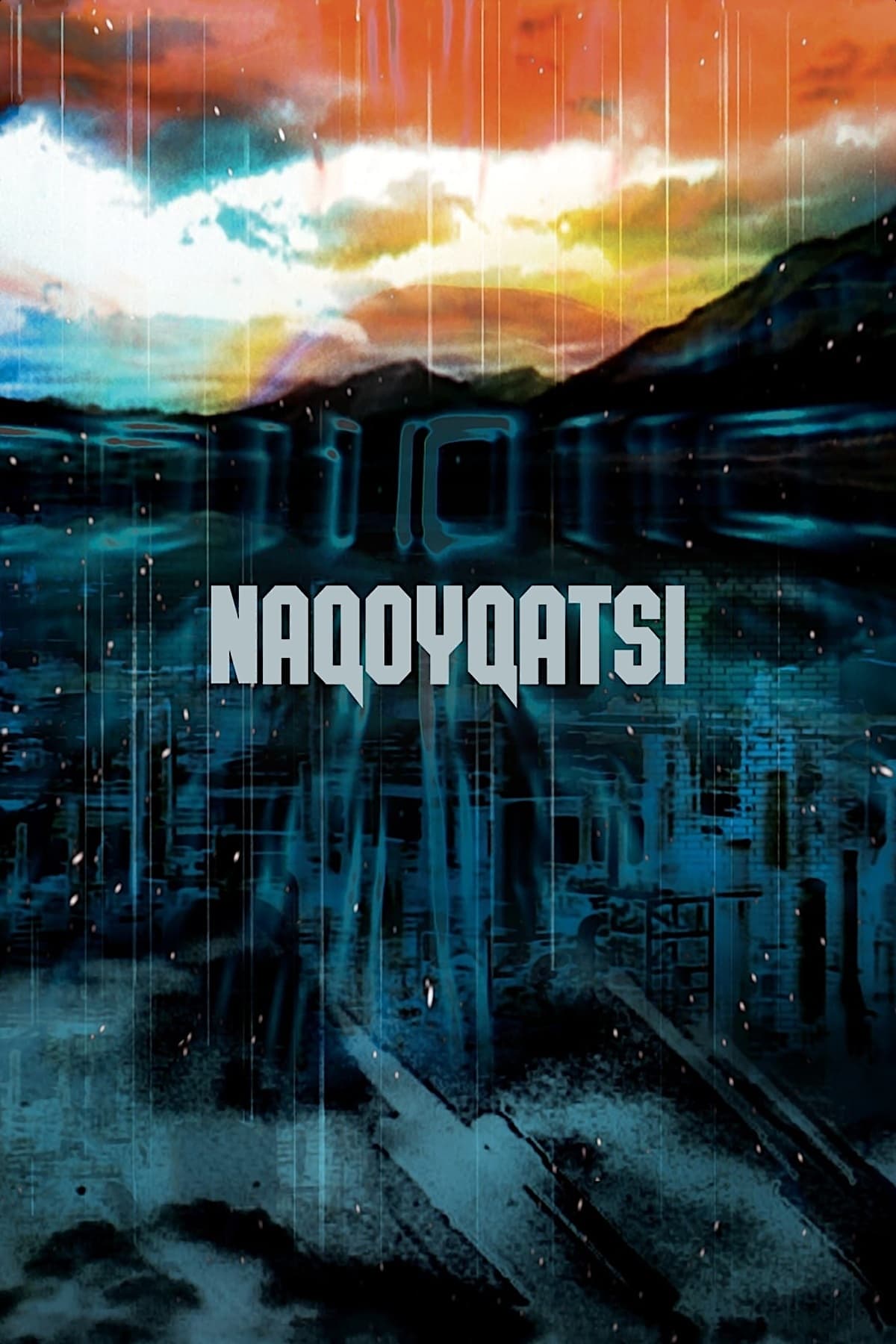
Naqoyqatsi (2002)
Overview
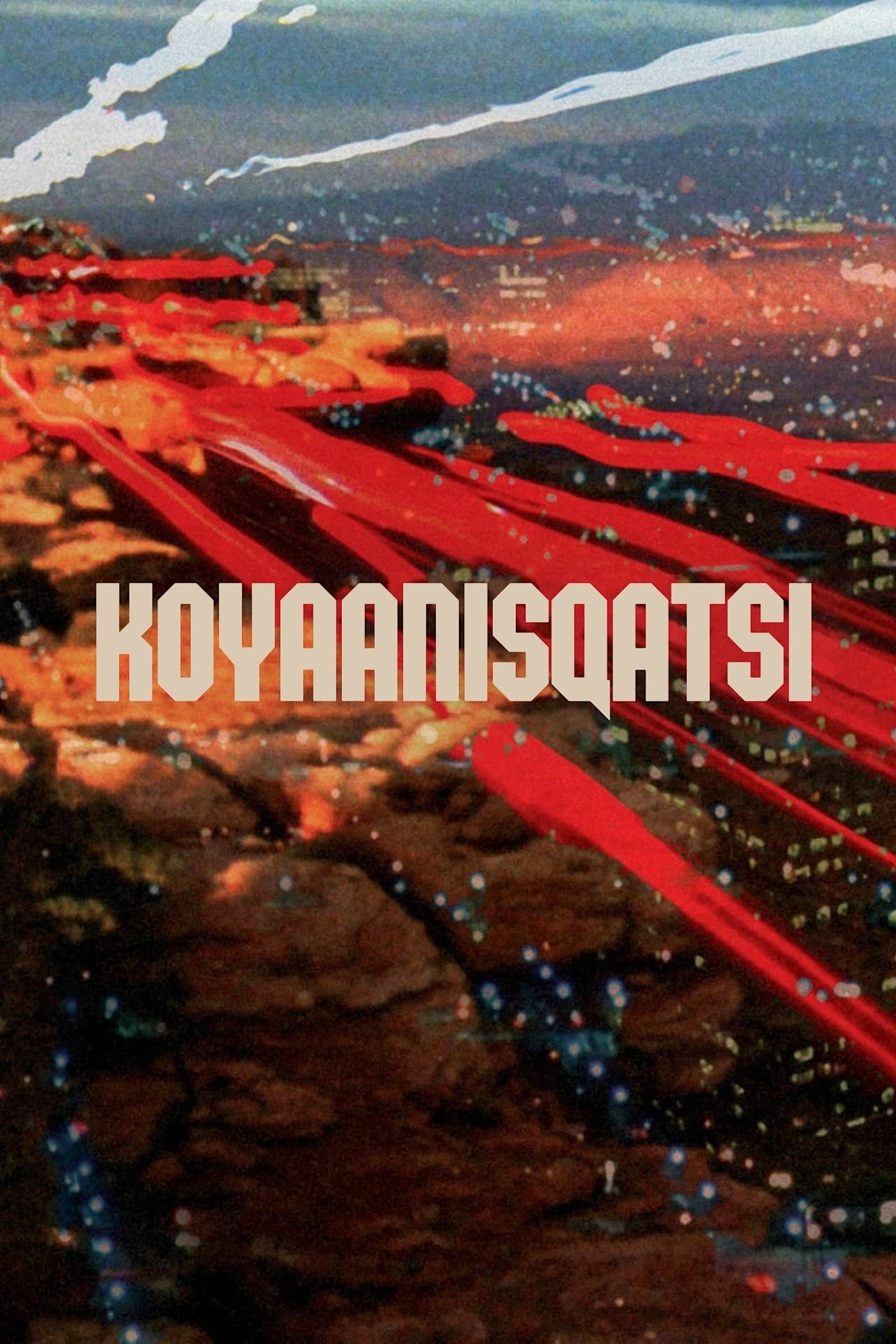
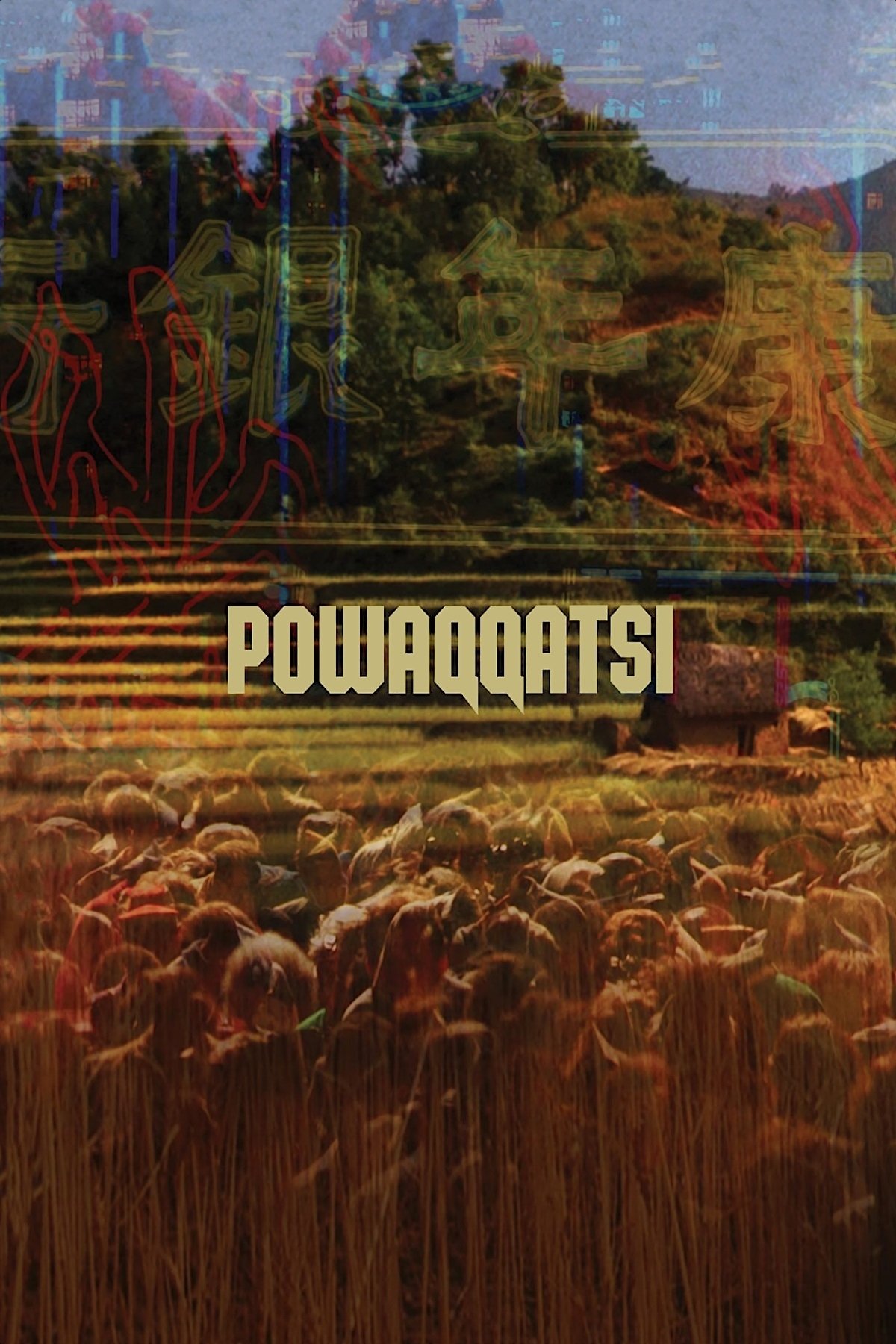
Bearing the signature of Godfrey Reggio, Naqoyqatsi is regarded as one of the most original experimental works in film history. Released in 2002, it forms the final chapter of the director's renowned "Qatsi Trilogy." When considered alongside the series' first two films, Koyaanisqatsi (1982) and Powaqqatsi (1988), Naqoyqatsi stands out as the darkest and most technology-focused part of the trilogy, both visually and thematically. The word "Naqoyqatsi," derived from the Hopi language, means "life as war" or "life of killing each other," and it directly encapsulates the film's central theme.
The film has no traditional script, dialogue, or acting in the conventional sense. Instead, through digitally processed imagery, archival footage, computer-generated visuals, and effects, it depicts humanity's disconnection from nature, its relationship of dependency on technology, and the way the virtual world has come to replace reality. The music, composed by Philip Glass with contributions from the world-renowned cellist Yo-Yo Ma, becomes almost a second protagonist of the film. Productions in which image and music are so deeply intertwined are quite rare in film history.
Naqoyqatsi can be described less as a classic film-watching experience than as a visual poem or a meditative cinematic essay. It invites the viewer to move beyond passive consumption and instead interpret and question what they see.
Plot
The film's "plot" does not rely on traditional storytelling. Instead, it presents, through visual narrative, humanity's transition into the digital age, the world's evolution from the natural toward the artificial, and the effects of this transformation on humankind. By bringing together images of war, sporting events, advertisements, financial data, computer code, and digitally manipulated human faces, Reggio offers a powerful critique of the pace of modern life, consumer culture, and technological dependency.
Nature is almost entirely absent throughout the film; instead, concrete, screens, data, and digital imagery dominate. This choice completely reverses the theme of "balance between nature and humanity" that the director explored in the previous films of the series, emphasizing that humans are now nourished not by nature but by the virtual and technological universe they themselves have created. The images are alternately slowed down and sped up; these editing choices create an effect on the viewer that is both hypnotic and unsettling.
Why Watch It?
Naqoyqatsi is one of the rare productions that proves cinema is not merely a tool for storytelling but can also be a means of conveying thought and emotion. Blending visual arts, music, and philosophical inquiry into a single crucible, the film offers the viewer an unconventional cinematic experience. Particularly in an era where topics such as artificial intelligence, digitalization, and technology addiction are so prevalent, this 2002 film displays a surprisingly current and prescient perspective.
Philip Glass's minimalist yet powerful score is in perfect harmony with the film's visual flow, and this pairing alone constitutes a work of art worth experiencing. Additionally, thanks to its short runtime, the film offers an accessible entry point for those new to experimental cinema.
Who Is It For?
This film is ideal for viewers seeking an experience different from films with classic narrative structures, and who are interested in art cinema and experimental productions. Those interested in visual arts, photography, editing techniques, and experimental music will thoroughly enjoy the film. It also offers rich intellectual material for viewers curious about topics such as philosophy, technology criticism, media culture, and social transformation.
On the other hand, Naqoyqatsi may be challenging for viewers expecting a traditional story, dialogue, and character development. It is not a suitable choice for those looking for action or a classic dramatic structure.
Pros and Cons
Pros:
1. Philip Glass's extraordinary music forms a perfect unity with the visuals.
2. The visual effects and digital manipulation techniques are highly innovative for their time.
3. It offers a powerful critique of the relationship between technology and humanity that remains relevant today.
Cons:
1. It may disappoint if watched with expectations of a traditional narrative.
2. For some viewers, the repetitive visual themes and slow pace may be tiring.
Genre and Tone
Naqoyqatsi is a distinctive production that treads the boundary between experimental cinema and documentary. Its tone is generally melancholic, questioning, and at times has a dystopian atmosphere. The film aims not so much to relax the viewer as to provoke thought and instill a sense of inner unease. The coldness of the visual language, the digital aesthetic, and the mechanical rhythms reinforce the film's overall bleak tone.
Runtime and Viewing Experience
The film runs approximately 89 minutes, a duration that is quite well-balanced given the intensity of its visual and auditory content. The viewing experience resembles spending time in an art gallery or watching an extended music video more than watching a conventional film. It requires careful, focused attention; it is not a production meant to be watched in the background. To fully experience the visual and auditory elements, it is recommended to watch it in a quiet setting, ideally with a good sound system.
Similar Works
- Powaqqatsi (1988)
- Baraka (1992)
- Samsara (2011)
- Chronos (1985)
- Visitors (2013)
Final Assessment
Naqoyqatsi is a bold production designed as a visual and auditory experience that pushes the narrative limits of cinema. It offers an unforgettable discovery for viewers wishing to step outside traditional film-watching habits and who are curious about art cinema. When Godfrey Reggio's vision and Philip Glass's music come together, the result is a profound and thought-provoking cinematic experience about technology's impact on humanity. This final chapter of the Qatsi Trilogy remains a highly valuable reference point for those seeking to make sense of today's digital age.
Details
Cast (22)


















Qatsi Collection
ByTv Değerlendirmesi
Gallery
Yorumlar
Henüz yorum yok. İlk yorumu siz yazın.
Recommended
Yazıda geçen yapımlar
Senin için seçelim
Türe göre süz, puana göre sırala ya da çarkı çevirip sürpriz öneri al.