
Mughal-e-Azam (1960)
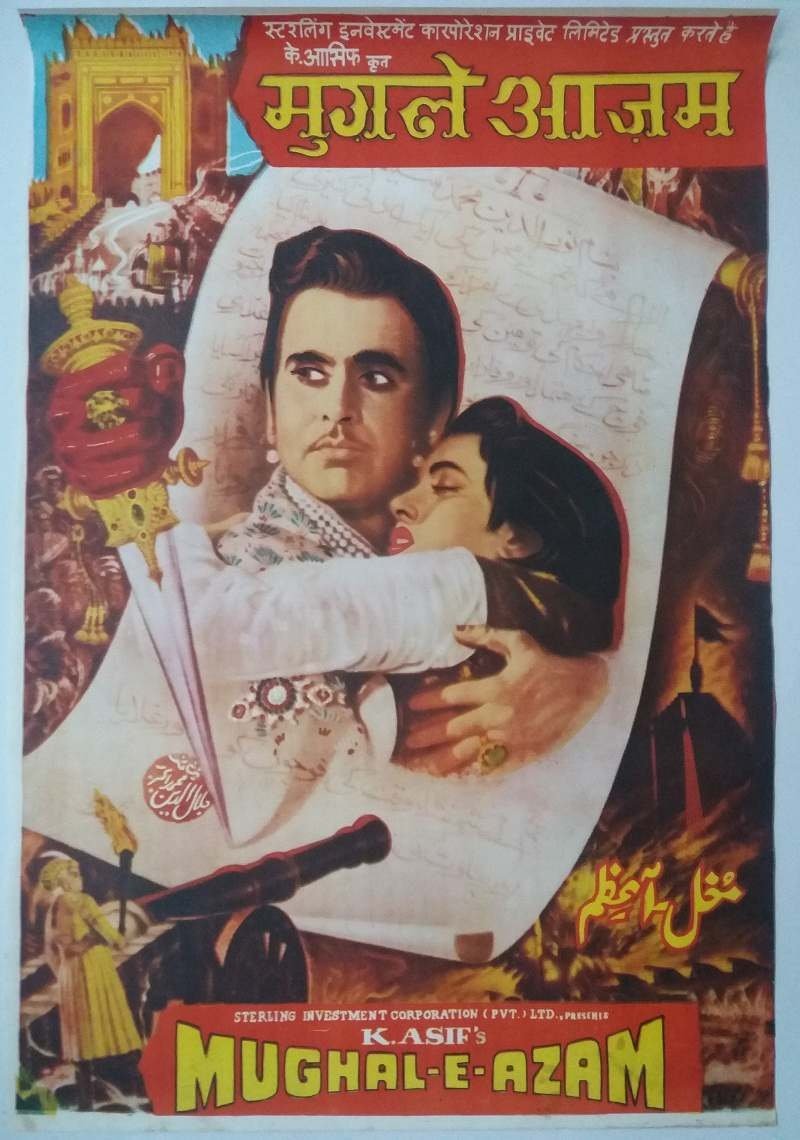
One of the most monumental productions of Indian cinema, Mughal-e-Azam is a masterpiece that has gone down in film history as the product of K. Asif's directorial vision and years of dedicated labor. Released in 1960 after a produ…
Overview
One of the most monumental productions of Indian cinema, Mughal-e-Azam is a masterpiece that has gone down in film history as the product of K. Asif's directorial vision and years of dedicated labor. Released in 1960 after a production process that spanned nine years of filming, the movie became an icon of Bollywood's golden age, both for its visual splendor and the emotional weight of the story it tells. Shaped by the performances of some of the era's most respected actors, including Prithviraj Kapoor, Dilip Kumar, and Madhubala, the film weaves together the historical fabric of the Mughal Empire, palace intrigues, and a forbidden love.
The film stands out for its set, costume, and music work, which pushed the technical boundaries of its time. In particular, the fact that certain scenes were shot in color has been recorded as one of the earliest examples of Technicolor use in Indian cinema. The music composed by Naushad holds a pioneering place among the elements supporting the film's emotional atmosphere. Beyond being simply a love story, Mughal-e-Azam offers a layered narrative that also addresses the conflict between power, tradition, and individual freedom.
Despite the years that have passed, this production has not lost its impact and continues to be regarded as a reference point by enthusiasts of classic Indian cinema today. Its re-release in a restored and colorized version in 2004 once again proved the film's enduring value and cultural significance.
Plot
The story centers on the forbidden love between Prince Salim, son of the Mughal Emperor Akbar, and Anarkali, a court dancer. As Salim defies his father's authority and the order of the court to maintain his devotion to Anarkali, the situation turns into a major source of tension within the empire. Akbar being caught between the interests of the state and his feelings as a father is one of the core elements fueling the film's dramatic structure.
Anarkali's position at court, her love, and her fate present a powerful framework showing the price she pays within the social hierarchy of the period. The film blends this love story with a historical backdrop, constructing a drama in which individual desires clash with the order of the state. Themes of palace intrigue, betrayal, and loyalty form key turning points as the story progresses.
Why Watch It?
Mughal-e-Azam is an essential reference for anyone wishing to witness the technical and artistic peak reached by Indian cinema. The magnificent set designs, costumes, and crowd scenes achieved with the resources available at the time offer a visual richness that remains impressive even to today's audiences. The film's music includes some of the most unforgettable compositions in film history, and these songs are still listened to today.
The film also holds great value in terms of acting performances. The depth Dilip Kumar brings to the role of Salim, the grace Madhubala lends to the character of Anarkali, and the authoritative bearing of Prithviraj Kapoor's portrayal of Akbar all demonstrate just how powerful the character work is. The on-screen chemistry among these three names is one of the key elements that heightens the film's emotional impact.
Furthermore, for fans of historical drama, the film offers not just a love story but a rich narrative showing how mechanisms of power, family bonds, and social expectations collide. For those wishing to experience the aesthetic sensibility, musical structure, and dramatic intensity of classic Indian cinema all at once, this film can serve as an important starting point.
Who Is It For?
Mughal-e-Azam is an ideal choice for classic cinema enthusiasts, fans of historical dramas, and those wishing to explore the roots of Bollywood. Viewers already familiar with productions that make heavy use of musical elements will find it easier to adjust to the film's rhythm. It also offers a rich visual feast for those interested in visual arts, costume design, and period films.
Viewers who approach long, slow-paced narratives with patience will enjoy this film all the more. For those expecting action or a fast-paced narrative, the film may be somewhat challenging; however, it offers a satisfying experience for those drawn to drama- and tragedy-heavy stories.
Pros and Cons
Pros:
1. Outstanding production quality supported by magnificent set designs and costumes.
2. Unforgettable performances from Dilip Kumar, Madhubala, and Prithviraj Kapoor.
3. Musical pieces composed by Naushad that have gone down in film history.
Cons:
1. Its long runtime and slow pace may be tiring for some viewers.
2. Some scenes may feel overly melodramatic to those unfamiliar with the storytelling style of the era.
Genre and Tone
The film has a structure that intertwines the genres of historical drama and musical. Its narrative tone is generally solemn, emotional, and carries a tragic atmosphere at times. While the palace intrigues and love story are handled with a serious and dramatic tone, the musical scenes offer lyrical moments that balance this weight.
Runtime and Viewing Experience
The film has the customary long runtime typical of classic Indian cinema, and thus demands a certain amount of patience from the viewer. Considered alongside its visual richness and musical structure, the viewing experience is as comprehensive and impressive as watching a theatrical performance. The grandeur of the scenes and the power of the music are among the elements that make up for the long runtime.
Similar Productions
- Pakeezah (1972)
- Devdas (2002)
- Bajirao Mastani (2015)
- Umrao Jaan (1981)
Final Assessment
Mughal-e-Azam holds an important place in film history as one of the most impressive works to survive from the classic period of Indian cinema. With its visual splendor, unforgettable music, and powerful acting performances, this film is not merely a love story but a production that carries the traces of a cultural and artistic legacy of an era. It stands out as a must-watch work for viewers who are enthusiasts of classic cinema and historical dramas.
Details
Cast (13)






Ödüller
- Filmfare Award for Best Film 1961
- National Film Award for Best Feature Film in Hindi 1961
1 adaylık
- International Submission to the Academy Awards 1961
ByTv Değerlendirmesi
Gallery
Yorumlar
Henüz yorum yok. İlk yorumu siz yazın.
Recommended










Senin için seçelim
Türe göre süz, puana göre sırala ya da çarkı çevirip sürpriz öneri al.