
Marathon Man
Marathon Man (1976) Overview Marathon Man is a 1976 production directed by John Schlesinger, considered one of the classics of the thriller and spy film genre. Based on both William Goldman's novel and his screenplay, the film bri…
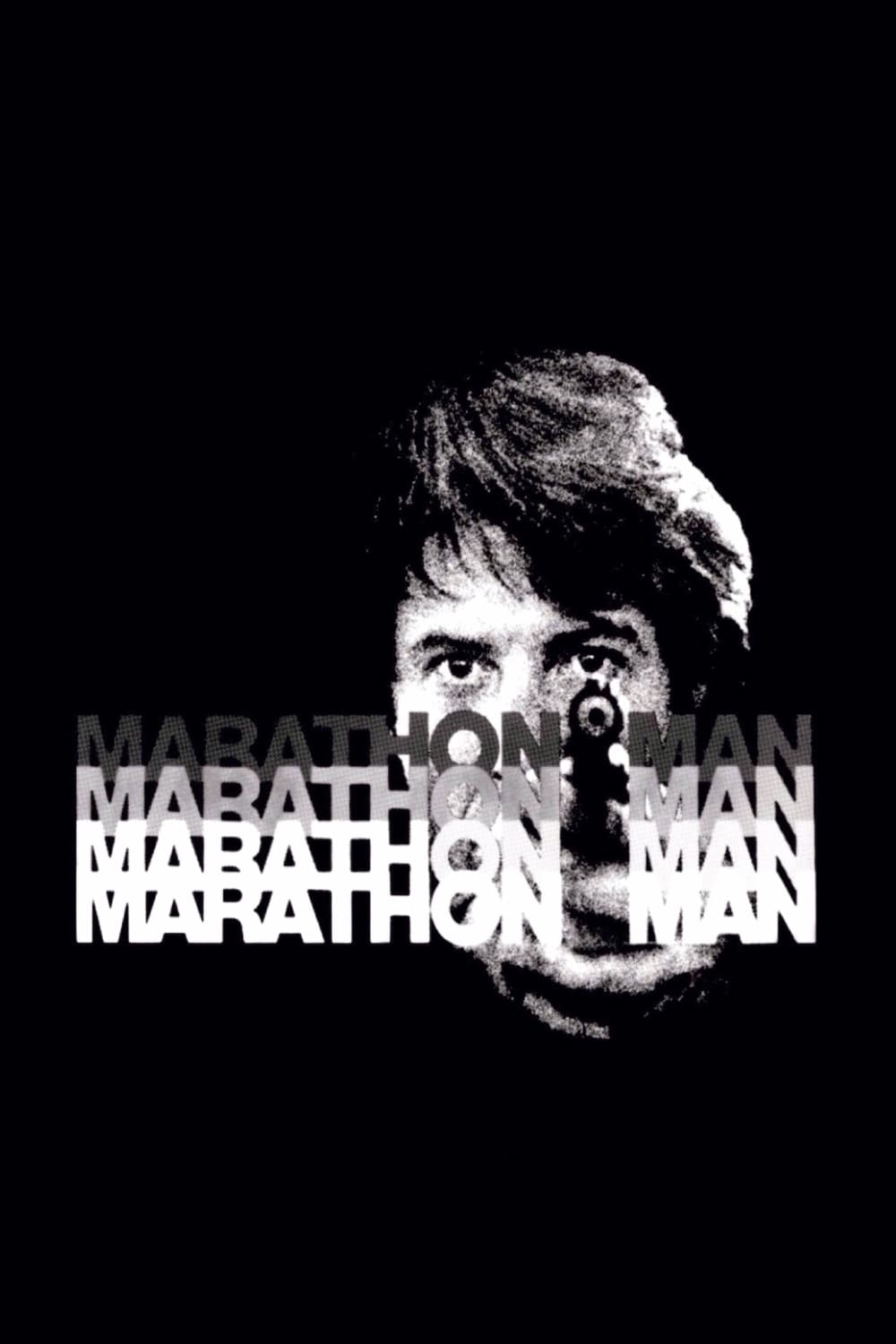
Marathon Man (1976)
Overview
Marathon Man is a 1976 production directed by John Schlesinger, considered one of the classics of the thriller and spy film genre. Based on both William Goldman's novel and his screenplay, the film brings together some of the most respected names in acting history, including Dustin Hoffman and Laurence Olivier. With its paranoia-filled atmosphere, nerve-wracking tension, and memorable scenes, it is regarded as one of the productions that reflects the dark, distrustful spirit of 1970s America.
The film offers viewers a claustrophobic experience by blending the climate of uncertainty and suspicion of the Cold War era with the terrifying realities that intrude upon an ordinary person's life. The cast also includes names like Roy Scheider and William Devane, while character actors such as Lotte Palfi Andor are among those who contribute to the film's texture. Despite the decades that have passed, Marathon Man continues to be one of the essential reference points of thriller cinema.
Plot
The film centers on the life of Thomas "Babe" Levy, a history doctoral candidate at Columbia University who is also a passionate marathon runner. Babe is a young man focused on his academic career, living a quiet life. However, his life suddenly becomes complicated and dangerous due to his connection to his brother Doc's mysterious dealings. With the arrival in New York of Christian Szell, a former Nazi doctor linked to dark events from the past, Babe finds himself at the center of a conspiracy and violence he never anticipated.
As events unfold, Babe is dragged into a nightmare where he doesn't know who to trust and where truth and lies are intertwined. The film leaves the viewer alone with this sense of uncertainty, gradually intensifying the tension alongside the protagonist. The progression of the story presents a layered structure in which both personal and historical traumas are intertwined.
Why Should You Watch It?
Marathon Man is home to one of the most tense and memorable scenes in the history of cinema, a scene that has become a cultural icon still referenced today. Laurence Olivier's cold-blooded and chilling performance creates one of the most unforgettable villains in cinema. Dustin Hoffman, meanwhile, reflects his method acting approach in his role, convincingly conveying the character's physical and psychological breakdown.
Another strength of the film is that it creates tension without fully informing the viewer; the audience, just like Babe, learns about events piece by piece, and this organically heightens the film's tension. Additionally, the cinematography reflecting the New York of that era reinforces the story's gloomy atmosphere. The structure, which blends the classic spy film narrative with a personal trauma story, sets the film apart from ordinary examples of its genre.
Who Is It Suitable For?
Marathon Man is ideal especially for viewers who love classic thriller and spy films and who value slow-paced but deep character studies. Those interested in the cinematic aesthetics of the 1970s and productions reflecting the social paranoia of the era will greatly enjoy the film. It also offers a satisfying experience for those who want to watch performances by master actors like Dustin Hoffman and Laurence Olivier.
For viewers accustomed to fast-paced, action-heavy modern thrillers, some parts of the film may feel slow. However, for a patient audience, Marathon Man serves as an important lesson in how atmospheric tension and psychological pressure can be masterfully built.
Pros and Cons
Pros:
1. Laurence Olivier's unforgettable, chilling performance
2. Dustin Hoffman's intense and convincing acting
3. A clever screenplay structure that builds tension organically
Cons:
1. The pacing of some scenes may feel slow to today's audiences
2. Complex espionage elements in some parts of the story may be difficult to follow
Genre and Tone
The film blends the classic elements of the thriller and spy genres with psychological drama elements. Its tone is generally dark, tense, and unsettling, giving the viewer a constant sense of being on edge. The narrative, which progresses in the shadow of paranoia, distrust, and violence, carries the characteristic atmosphere of 1970s political thrillers.
Runtime and Viewing Experience
With a runtime of just over two hours, the film demands patience and attention from the viewer. However, the tension built throughout this duration intensifies especially toward the finale, keeping the viewer glued to the screen. Offering a cohesive narrative suitable for viewing in a single sitting, the production encourages the viewer to focus on the details of the plot.
Similar Productions
- The Parallax View (1974)
- All the President's Men (1976)
- The Conversation (1974)
- No Way Out (1987)
- Sleepers (1996)
Final Assessment
Marathon Man is a production that stands out from the golden age of thriller cinema, with unforgettable performances and a masterfully constructed atmosphere. Laurence Olivier's villain has been etched into cinema history, while Dustin Hoffman's performance is remembered as one of the most impressive acting examples of its era. It is one of the productions that holds an important place in cinema history, a must-watch for fans of classic thrillers and enthusiasts of period cinema.
Details
Cast (59)

















Ödüller
1 adaylık
- En İyi Yardımcı Erkek Oyuncu Akademi Ödülü 1977
ByTv Değerlendirmesi
Gallery
Yorumlar
Henüz yorum yok. İlk yorumu siz yazın.
Recommended







Yazıda geçen yapımlar
Senin için seçelim
Türe göre süz, puana göre sırala ya da çarkı çevirip sürpriz öneri al.