
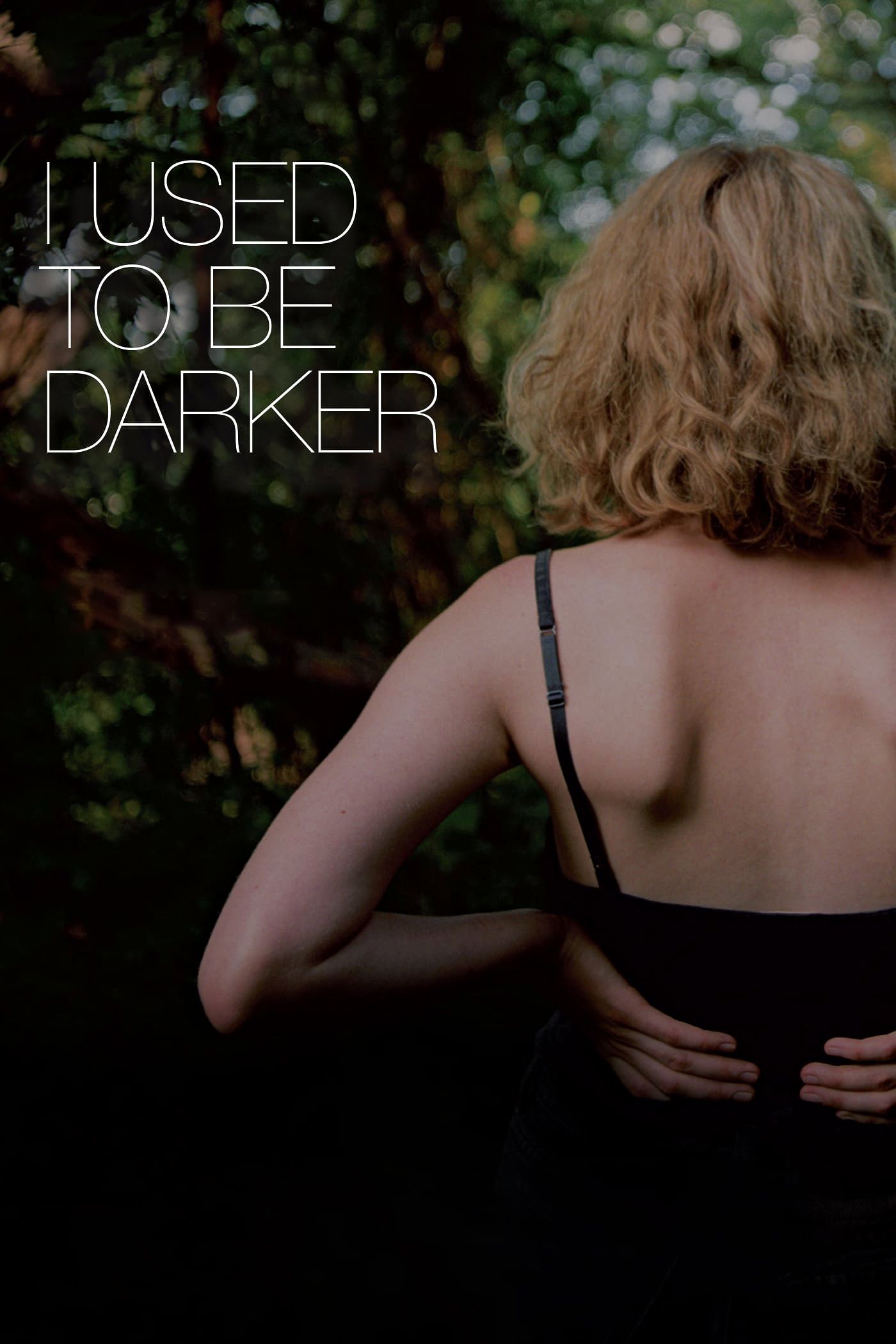
I Used to Be Darker (2013)
I Used to Be Darker is a low-budget yet emotionally intense independent film by American director Matthew Porterfield. Released in 2013, the film premiered at the Sundance Film Festival and found a quiet but resonant following, pa…
Overview
I Used to Be Darker is a low-budget yet emotionally intense independent film by American director Matthew Porterfield. Released in 2013, the film premiered at the Sundance Film Festival and found a quiet but resonant following, particularly among fans of independent cinema. Rather than Eric Bogosian, who handled cinematography, the name that stands out here is Declan Sammon, who was part of the technical team and contributed to the production. The film's overall tone embraces a character-driven, realistic cinematic language, staying far from grand plot structures in the classic sense.
Porterfield, whom we know from "Putty Hill," further matures his minimalist approach here—one marked by heavy use of natural light and openness to improvised dialogue. Set in the suburbs of Baltimore, the story intertwines the dissolution of the family unit, the uncertainties of adolescence, and the marital crises of adults. Unlike productions from major studios, the film has a structure that makes room for silence, waiting, and everyday moments.
The production's use of music is also notable; since one of the characters is a musician, live performances and original songs occupy an important place in the film. This musical layer becomes an organic element that strengthens the film's emotional tone.
Plot
The story focuses on the lives of a couple on the verge of divorce and their eighteen-year-old daughter. When the young woman returns to her family for summer break, she encounters a tense atmosphere at home. The relationship between her mother and father is cracking; this deterioration reveals itself not only through verbal arguments but also through the distance the characters have quietly built between themselves.
Without adhering to a single dramatic event, the film observes the tension, the ruptures, and the rarely captured moments of closeness experienced by these three characters (and other family members around them) living under the same roof. The teenage daughter's search for identity progresses in parallel with her family's disintegration. The parents' identities as musicians are portrayed both as a means of bonding and as a source of conflict.
The narrative consciously avoids a traditional beginning-middle-end structure. Instead, much like real-life family dynamics, it moves through unresolved tensions and ambiguous emotional moments. Rather than finding clear explanations about this family's past, the viewer becomes immersed in the atmosphere of the present moment.
Why Watch It?
I Used to Be Darker is a special production for viewers tired of classic narrative patterns and seeking a rawer, more realistic cinematic experience. The film's greatest strength is the naturalness of its acting performances and the director's courage in bringing the camera close to the characters' most intimate moments. The use of non-professional actors adds a layer of authenticity that gives the film a documentary-like feel.
The musical scenes are among the film's most distinctive elements, deepening its emotional resonance. The scenes in which characters play guitar and sing convey, through music, the feelings that dialogue cannot express. These scenes function as natural transitions that, rather than breaking the film's rhythm, actually nourish it.
Additionally, the film's visual language creates a melancholic yet realistic aesthetic through its use of Baltimore's suburban landscapes, the interiors of homes, and natural light. This aesthetic is in perfect harmony with the story's emotional tone. The fact that the family's dissolution is conveyed through quiet moments rather than grand dramatic explosions leaves an emotional imprint that lingers long in the viewer's memory.
Who Is It For?
This film is not suitable for viewers expecting action or fast-paced narratives. However, it offers a highly valuable experience for those interested in character dramas, independent cinema, and slow-paced storytelling. Viewers interested in themes such as family relationships, adolescent conflicts, and marital crises may find moments in the film that feel personally relatable.
It will also be a satisfying choice for cinephiles curious about the formal aspects of cinematic language, who appreciate improvised dialogue and minimalist editing. For fans of music-themed films, the live performance scenes offer an additional draw.
Pros and Cons
Pros:
1. Natural and realistic acting performances make the characters believable.
2. The musical scenes organically deepen the film's emotional resonance.
3. The minimalist visual language and use of natural light successfully support the atmosphere.
Cons:
1. Its departure from classic narrative structure may feel tedious to broader audiences.
2. The ambiguity and open-ended storytelling in some scenes may leave viewers unsatisfied.
Genre and Tone
The film sits at the intersection of family drama and independent cinema. Tonally, it is melancholic, introspective, and realistic. Rather than emotional outbursts, an atmosphere dominates in which silences and glances carry meaning. This tone invites the viewer into the characters' inner worlds while never veering into didacticism or excessive melodrama.
Runtime and Viewing Experience
The film runs approximately 90 minutes, a length that offers a balance in keeping with the intensity of the narrative. Although the transitions between scenes are slow, the film avoids unnecessary padding, keeping the viewer at a steady rhythm. The viewing experience requires active attention, as the film builds its story through subtle clues between scenes without offering the viewer too much explanation.
Similar Works
- Putty Hill (2010)
- Krisha (2015)
- The Myth of the American Sleepover (2010)
- Short Term 12 (2013)
- Frances Ha (2012)
- Columbus (2017), which has a similarly toned family drama, though not as light as Kissing Booth
Final Assessment
I Used to Be Darker is a special independent film that moves its audience through quiet, realistic moments rather than grand dramatic gestures. Skillfully blending the dissolution of family, the uncertainties of adolescence, and the healing power of music, the film moves away from classic narrative expectations to create a cinematic language all its own. For patient and attentive viewers, it offers an emotional experience that will remain in the mind for a long time.
Details
Cast (12)

ByTv Değerlendirmesi
Gallery
Yorumlar
Henüz yorum yok. İlk yorumu siz yazın.
Senin için seçelim
Türe göre süz, puana göre sırala ya da çarkı çevirip sürpriz öneri al.