
Human Capital
Human Capital (2013) Overview Human Capital is a layered and striking drama-thriller directed by Italian filmmaker Paolo Virzì. Released in 2013, the film is adapted from the novel of the same name by novelist Stephen Amidon. Stru…

Human Capital (2013)
Overview
Human Capital is a layered and striking drama-thriller directed by Italian filmmaker Paolo Virzì. Released in 2013, the film is adapted from the novel of the same name by novelist Stephen Amidon. Structured around a single traffic accident, the film narrates events from the perspectives of different characters, laying bare the moral decay of upper-middle-class Italian society, the peculiar balance between money and human life, and how class differences shape people. The cast involved in the production includes Vincent Nemeth, whose performance contributes to the character dynamics and touches the overall atmosphere of the film.
Virzì moves the film away from a classic chronological narrative, employing a structural technique inspired by Akira Kurosawa's Rashomon. The same events are retold repeatedly from the viewpoints of different characters, and each segment offers the viewer new information that completes the missing pieces of the story. This narrative style transforms the film from being merely a family drama into a puzzle-solving experience. It masterfully explores the rich-poor divide in Italy's provincial towns, the infiltration of financial speculation into human relationships, and how moral choices become converted into currency.
Plot
The story begins with the crossing of paths between two families from different socioeconomic classes living in a small Italian town. Dino, a real estate agent, tries to enter the circle of a wealthy family through his daughter's relationship with their son, and in doing so, gets involved in a risky financial investment. Meanwhile, Carla, the wife of wealthy businessman Giovanni, is a woman weary of her marriage and social expectations, searching to rediscover her own identity. The love story between the young people of these two families takes a tragic turn with an accident that occurs late one night.
The film narrates the events before and after this accident in four separate chapters, each from the perspective of a different character. While each chapter reveals to the viewer details that remained hidden in the previous one, it also exposes the characters' true intentions, lies, and weaknesses. As the narrative progresses, the true shadows behind the accident begin to come into focus, and the viewer realizes just how complex the motivations of people who initially seemed innocent actually are. Financial interest, family ties, young love, and the desire for social status intertwine as the central themes forming the film's main axis.
Why Watch It?
Human Capital is one of those rare productions that steps outside classic drama film conventions and actively engages the viewer in the story. Thanks to its multi-perspective narrative structure, the viewer encounters a new truth in each chapter, adding a depth that makes the film worth rewatching even after the first viewing. Paolo Virzì's directorial approach penetrates the inner world of the characters, presenting them without judgment but with critical distance.
One of the film's greatest strengths is how it treats the concept of "human capital" both literally and metaphorically. The notion that a person's life can be reduced to a monetary value is constantly questioned throughout the film, prompting the viewer to reflect on how capitalism infiltrates human relationships. The acting performances, particularly the multifaceted and realistic portrayal of the characters, enhance the film's credibility. The cast, including Vincent Nemeth, successfully brings to life characters who each feel like the protagonist of their own story.
Who Is It For?
Human Capital is an ideal choice for viewers who enjoy complex narrative structures, who don't want to remain passive while watching cinema, and who take pleasure in unraveling layered stories. Those who appreciate dramas containing social critique, and who enjoy contemplating the relationship between class differences, money, and morality, will find great satisfaction in this film. It is also an essential production for those interested in European cinema, especially the Italian dramatic tradition.
For viewers expecting action or a fast-paced thriller, the film may move a bit slowly; therefore, it is better suited to a patient audience attentive to detail. Those who enjoy character-driven stories with psychological depth will delight in the film's analysis of human nature.
Pros and Cons
Pros: 1. The multi-perspective narrative structure keeps the viewer engaged and offers an experience worth rewatching. 2. It contains a deep and effective social critique of class differences and the impact of capitalist values on human relationships. 3. The acting performances elevate the film's credibility through the multidimensional and realistic portrayal of the characters.
Cons: 1. The fragmented narrative structure may be confusing or tiring for some viewers. 2. The film may have a heavy and slow-moving structure for those expecting a fast pace.
Genre and Tone
Human Capital is a production positioned at the intersection of drama and thriller genres, while also carrying a slight element of mystery. The film's tone generally proceeds along a pessimistic and critical line; however, this pessimism is presented with realistic composure, without veering into melodramatic excess. While Virzì's storytelling bears traces of Italian cinema's social realism tradition, it also adds a contemporary touch by incorporating the moral dilemmas of the modern financial world.
Visually, the film consciously establishes a contrast between the calm outward appearance of small-town life and the storms within the characters' inner worlds. The music and atmosphere display a structure that gradually heightens tension, making the viewer increasingly tense as the moment of the accident approaches.
Runtime and Viewing Experience
The film has a runtime of approximately 111 minutes, a duration well-balanced to comfortably accommodate its four-chapter narrative structure. Although each chapter is crafted as a short story in its own right, when viewed as a whole, the pieces create the effect of a puzzle completing one another. Since this is a production that requires the viewer's attention to remain constantly alert, a focused viewing experience away from distracting environments is recommended.
Watching the film in a single sitting will be beneficial for establishing the connections between events more clearly. On a second viewing, noticing the details overlooked in the earlier chapters further enriches the experience the film offers.Similar Works
- Rashomon (1950)
- Crash (2004)
- The Ice Storm (1997)
- Instead of social-critique films similar to Nebbia in agosto: We Need to Talk About Kevin (2011)
- From Il Capitale Umano's Italian cinematic tradition: La Grande Bellezza (2013)
- Margin Call (2011)
Final Assessment
Human Capital is a remarkable Italian drama film, both in terms of its narrative technique and the social messages it contains. By masterfully employing a multi-perspective structure, Paolo Virzì does not merely tell a story to the viewer but also prompts questioning of the complex dynamics of human nature, greed for money, and class differences. The strong cast, including Vincent Nemeth, reinforces the realism and depth of the characters.
This film offers cinema lovers not just a story to watch, but a social landscape to reflect upon. With its structure that questions how capitalism reduces human life to a mere value, it has the potential to leave a lasting impression on its viewers. It stands as a strong recommendation for anyone who loves layered narratives, enjoys character analysis, and is interested in dramas containing social critique.
Details
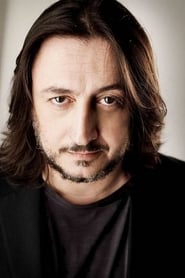
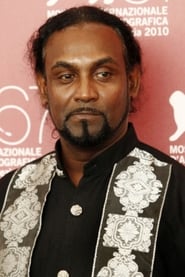
Cast (54)




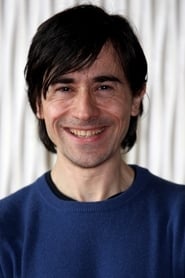



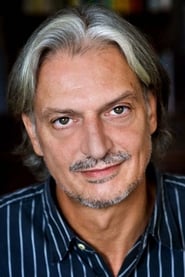

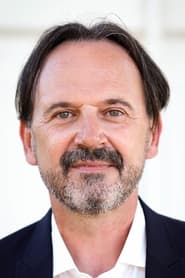






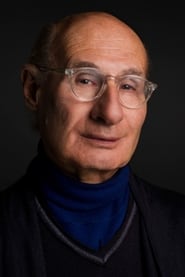







Ödüller
- David di Donatello for Best Film 2014
4 adaylık
- International Submission to the Academy Awards 2015
- David di Donatello for Best Director 2014
- European Film Award for Best Actress 2014
- European Film Award for Best Director 2014
ByTv Değerlendirmesi
Gallery
Yorumlar
Henüz yorum yok. İlk yorumu siz yazın.
Senin için seçelim
Türe göre süz, puana göre sırala ya da çarkı çevirip sürpriz öneri al.