
Female Perversions
Female Perversions (1996) Overview "Female Perversions" is a 1996 independent American film directed by Susan Streitfeld that explores themes of female identity, desire, and social repression through a bold cinematic language. Wri…
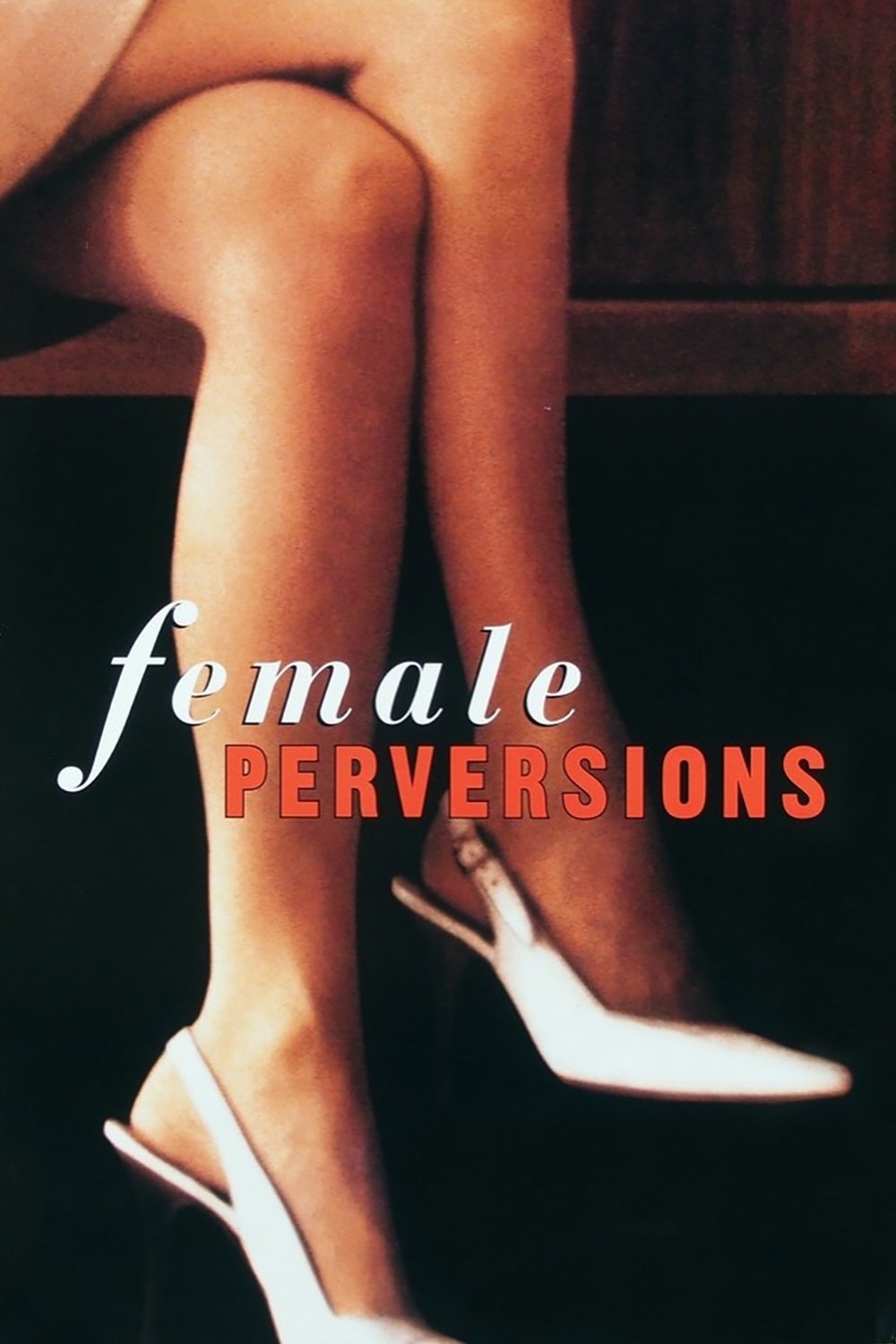
Female Perversions (1996)
Overview
"Female Perversions" is a 1996 independent American film directed by Susan Streitfeld that explores themes of female identity, desire, and social repression through a bold cinematic language. Written based on Louise J. Kaplan's psychoanalytic essay of the same name, the screenplay steps outside traditional narrative structures, inviting the viewer into a dreamlike, symbolism-laden experience. Starring Tilda Swinton in the lead role, the film stands out as one of the boldest and most complex performances of her early career. With Karen Sillas also contributing a strong presence to the film's ensemble cast dynamic, the production is one of the examples reflecting the experimental spirit of the 1990s independent cinema movement.
Rather than following a classic dramatic arc, the film opts for a fragmented, associative structure. This choice sets it apart from the more "watchable" independent productions of its era, making it a work that is both beloved and debated. Having screened at the Cannes Film Festival, "Female Perversions" is a production frequently referenced in academic circles within the context of feminist film criticism.
Plot
The film focuses on the inner world of Eve, a successful lawyer. From the outside, Eve appears to be a woman in control, rising in her career; however, as the film progresses, her tense relationship with sexuality, identity, and social expectations comes to the surface. Her bond with her sister Madelyn stands out as another important thread forming the film's emotional and psychological backbone. The contrast and similarity between the two sisters present different representations of womanhood side by side, offering the viewer a multi-layered perspective.
The narrative deliberately blurs the boundaries between reality and fantasy. Eve's everyday life intertwines with images from her subconscious, turning the film into more of an "inner journey" rather than a conventional drama. Themes such as gender roles, power relations, sexual identity, and the pursuit of autonomy are handled not through a direct, didactic language but through images and symbols. This approach leaves room for viewers to form their own interpretations.
Why Should You Watch It?
As one of the bold examples of 1990s independent cinema, "Female Perversions" is a rare production that centers female subjectivity. Rather than addressing gender issues superficially, it examines them with psychoanalytic depth, pulling the viewer out of a comfortable viewing experience and forcing them to think. Tilda Swinton's performance can be seen as an early sign of the bold acting approach she would display in later stages of her career, making it an important reference point for cinephiles in this regard.
The film's visual language is also striking; its compositions, use of color, and camera movements are designed to support the narrative's psychological tension. Moreover, compared to other feminist cinema examples of its era, "Female Perversions" has carved out a distinctive place in film history by following a more abstract and experimental path. Frequently discussed in academic film circles, this production deserves to be evaluated not merely as a drama but as a thought experiment.
Who Is It Suitable For?
This film is a suitable choice for those who love symbolic, multi-layered cinema that steps outside traditional narrative structures. It holds particular value as a resource for viewers researching feminist cinema, psychoanalytic narratives, and female subjectivity. It is also an important stop for cinephiles wishing to explore Tilda Swinton's early filmography.
However, for viewers accustomed to classic, linear narratives, the film may initially prove challenging. Viewers with a high tolerance for ambiguity, who enjoy unpacking symbolic storytelling, and who see cinema not merely as entertainment but also as a tool for thought, will get much more out of this production.
Pros and Cons
Pros:
1. Tilda Swinton's bold and layered performance is one of the film's greatest strengths.
2. Its handling of gender and identity themes with an original cinematic language, free of clichés.
3. Its visual storytelling, enriched with symbolism, is aesthetically satisfying.
Cons:
1. The fragmented and abstract narrative structure may not be accessible to every viewer.
2. The intense symbolism of some scenes can occasionally obscure the clarity of the narrative.
Genre and Tone
The film sits at the intersection of drama and psychological cinema, creating an atmosphere supported by surrealist elements in some scenes. In tone, it carries an introspective, tense, and at times unsettling air. This discomfort stands out as a deliberate choice of the film, as the narrative's purpose is to pull the viewer out of a comfortable viewing experience and make them feel the pressure created by gender norms.
Runtime and Viewing Experience
The film has a standard feature-length runtime, but its dense symbolic content requires careful viewing. Rather than being a production that can be casually watched in one sitting, it has a structure that encourages viewers to think and, at times, to reassess scenes. The viewing experience is built on psychological and emotional intensity rather than classic dramatic tension; therefore, it is recommended to be watched in a calm and attentive setting.
Similar Works
- Persona (1966) – A masterpiece that handles the conflict of identity and self through a symbolic language.
- Safe (1995) – Another important independent production directed by Todd Haynes, dealing with themes of female identity and social repression.
- Orlando (1992) – Another important film starring Tilda Swinton that questions gender identity.
- The Piano (1993) – A drama that portrays female subjectivity and repressed desires with a powerful visual language.
- Mulholland Drive (2001) – Another cinematic example with a symbolic narrative that blurs the boundaries between reality and fantasy.
Final Assessment
"Female Perversions" is a bold production that steps outside traditional narrative molds to deeply examine female identity, desire, and social repression. The cast, shaped by Tilda Swinton's striking performance and Karen Sillas's contribution, strengthens the film's psychological depth. Although its symbolism-laden narrative and experimental structure may not appeal to every viewer, it serves as a valuable resource for those exploring feminist narrative forms in film history. For those seeking a thought-provoking, questioning cinematic experience outside classic molds, "Female Perversions" stands out as a must-watch production.
Details
Cast (39)




















ByTv Değerlendirmesi
Gallery
Yorumlar
Henüz yorum yok. İlk yorumu siz yazın.
Recommended

Senin için seçelim
Türe göre süz, puana göre sırala ya da çarkı çevirip sürpriz öneri al.