
Elvis (2022)
Directed by Baz Luhrmann, "Elvis" is a large-scale biographical drama that brings to the big screen the life of one of music history's most legendary figures, Elvis Presley. Released in 2022, the film traces Presley's journey from…

Overview
Directed by Baz Luhrmann, "Elvis" is a large-scale biographical drama that brings to the big screen the life of one of music history's most legendary figures, Elvis Presley. Released in 2022, the film traces Presley's journey from the dusty streets of Memphis to becoming a worldwide phenomenon, and then to the portrait of a man crushed under the weight of fame. Australian filmmaker Baz Luhrmann, continuing the visual spectacle style he displayed in films like "Moulin Rouge!" and "The Great Gatsby," adopts a narrative approach here that breaks the classic biopic mold and turns the film into something like a stage show.
One of the film's most striking elements is that the story is conveyed from the perspective of Elvis's manager, Colonel Tom Parker (Tom Hanks), through his narration. This choice adds both a layer of unreliable narration to the film and lays the groundwork for questioning the power dynamics behind Presley's career, the exploitative relationship, and the dark side of fame. Austin Butler's performance forms the heart of the film; the actor recreates Presley's stage energy, tone of voice, and body language with great precision.
Plot
The film begins with Elvis Presley's childhood years, showing how he was nourished by the gospel and blues traditions of Black musicians on Beale Street in Memphis. This cultural interaction is portrayed as one of the fundamental elements shaping his distinctive musical style. Young Elvis being discovered on local radio stations, followed by his rapidly growing popularity catching the attention of the music industry, forms the outline of the film's first act.
With the entrance of Colonel Tom Parker into his life, Elvis's career grows at a dizzying pace, but this relationship also turns into a dependency that restricts his freedom. The film chronologically follows the turning points of Presley's career, such as his military service, Hollywood film career, the 1968 "Comeback Special" performance, and his Las Vegas residency years. Throughout this process, the artist's personal life, marriage, relationships with his family, and his effort not to remain silent in the face of social events are also woven into the story. Luhrmann reinterprets this classic biographical framework with his own distinctive visual and auditory language, presenting the audience with a familiar story infused with new energy.
Why Watch It?
There are many reasons to watch "Elvis." First and foremost, Austin Butler's performance is the film's strongest draw. The actor doesn't merely imitate Presley but convincingly blends the character's inner world, vulnerability, and mesmerizing charisma on stage. This performance is the most important element carrying the film's emotional weight.
Secondly, Baz Luhrmann's signature visual style sets the film apart from an ordinary biopic. Fast cuts, a bold color palette, transitions across time, and period pieces blended with modern musical elements bring the classic narrative together with contemporary energy. This approach offers a visual feast, especially for audiences interested in music and the world of entertainment.
Additionally, the film contains thought-provoking references to the formation of American popular culture, race relations, the exploitative nature of the music industry, and how fame consumes an individual. It can be read not only as the life story of a musician but also as the narrative of an era, a cultural revolution, and a personal tragedy.
Who Is It For?
This film offers a particularly satisfying experience for viewers interested in music history and the origins of rock 'n' roll. Anyone familiar with Elvis Presley's music or curious about his life will find a rich accumulation of information and emotion in the film. It will also be a natural choice for cinephiles who enjoyed Baz Luhrmann's previous films and are familiar with his visually excessive yet compelling storytelling style.
For those who prefer to watch biographical dramas at a classic, calm pace, the film may feel somewhat exhausting and overly stylized. However, for those who enjoy the power of musical scenes, performance-driven stories, and productions that immerse themselves in the world of show business, "Elvis" is a satisfying choice. Those interested in themes of family drama, personal struggle, and social change will also find layers in the film that speak to them.
Pros and Cons
Pros:
1. Austin Butler's extraordinary, transformative performance is the film's greatest strength, successfully capturing the character's soul.
2. Baz Luhrmann's distinctive visual language makes the stage performances and period atmosphere cinematically mesmerizing.
3. The music production and sound design combine the spirit of the era with modern energy, delivering an impressive auditory experience.
Cons:
1. The film's long runtime and intense narrative pace may be tiring for some viewers, with a noticeable loss of momentum in the second half.
2. Using Tom Parker as the narrator may push some depths of Elvis's own inner world into the background.
Genre and Tone
The film is positioned at the intersection of biography and musical drama genres. In terms of tone, it strikes a balance containing both exuberant, energetic moments and melancholic, tragic ones. Luhrmann's characteristic maximalist aesthetic creates a bright, lively atmosphere celebrating Elvis's rise in the first half of the film, while in the second half, as themes of the price of fame and personal disintegration are explored, the tone becomes darker and more introspective. These tonal shifts are an important narrative device that strengthens the film's emotional journey.
Runtime and Viewing Experience
With a runtime of approximately two hours and forty minutes, "Elvis" offers a lengthy cinematic experience. This length is necessary to cover the different periods of Presley's career in detail, but it can be challenging in terms of keeping the viewer's attention consistently engaged. While the visual density and fast-paced editing style make the viewing experience energetic, some scenes may feel overloaded with information and emotion. Watching it in a movie theater with a powerful sound system will multiply the impact of the musical scenes.
Similar Productions
- Bohemian Rhapsody (2018) – A film telling the story of Queen and Freddie Mercury, with a similar biographical musical drama structure.
- Rocketman (2019) – A biographical musical that blends Elton John's life with stylized and fantastical elements.
- Walk the Line (2005) – A classic biopic example about Johnny Cash's life that immerses itself in the world of music.
- Ray (2004) – A powerful, performance-driven biographical drama about the life of Ray Charles.
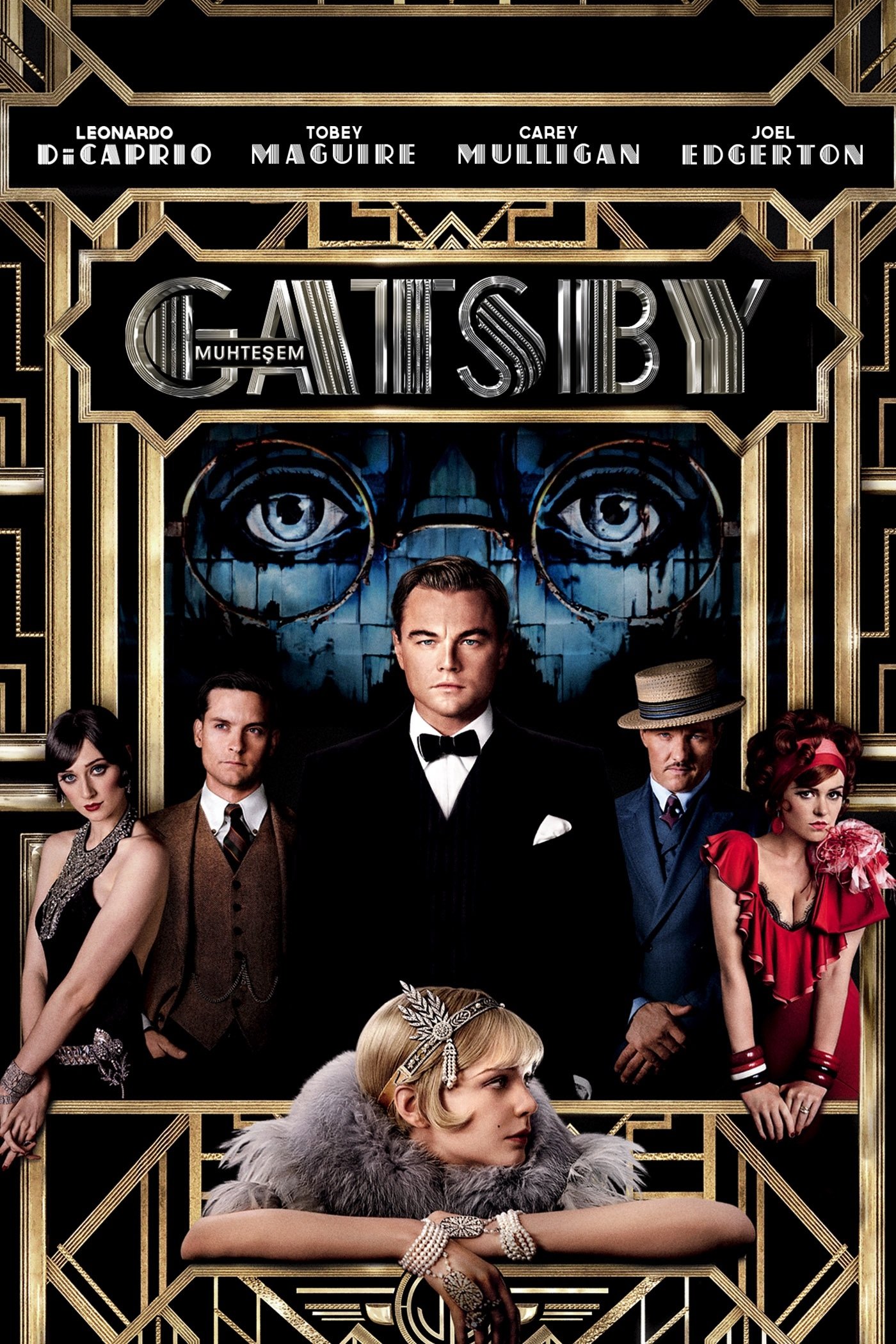
- The Great Gatsby (2013) – A similarly aesthetic option for those who want to experience Baz Luhrmann's visual style and period atmosphere.
- Judy (2019) – An emotional biography about the final period of Judy Garland's life, dealing with the price of fame.
Final Assessment
"Elvis" is an ambitious cinematic experience that reshapes the classic biopic formula with Baz Luhrmann's distinctive and bold visual language. While Austin Butler's performance elevates the film beyond a mere exercise in imitation into a genuine story of transformation, the character of Colonel Parker, played by Tom Hanks, also enriches the narrative's complex moral layers. The visually spectacular scenes offer unforgettable moments for music lovers and viewers who value cinematic aesthetics.
Of course, the film is not designed to appeal to everyone's taste; Luhrmann's excessive and intense style may tire some viewers. But overall, "Elvis" takes its place in cinema history both as a tribute to music history and as a striking narrative that questions the effect of fame on the human spirit. It stands out as a must-watch production for anyone interested in Presley's music, the cultural dynamics of his era, or Luhrmann's cinematic signature.
Details
Cast (97)




























































Ödüller
3 adaylık
- En İyi Film Akademi Ödülü 2023
- En İyi Sinema Filmi Altın Küre Ödülü - Drama 2023
- David di Donatello for Best International Film 2022
ByTv Değerlendirmesi
Gallery
Yorumlar
Henüz yorum yok. İlk yorumu siz yazın.
Recommended







Yazıda geçen yapımlar


Senin için seçelim
Türe göre süz, puana göre sırala ya da çarkı çevirip sürpriz öneri al.