
Dirty Dancing: Havana Nights
Dirty Dancing: Havana Nights (2004) Overview Dirty Dancing: Havana Nights is a musical drama that draws on the spirit of the 1987 cult classic Dirty Dancing while telling its own independent story. Released in 2004, the production…

Dirty Dancing: Havana Nights (2004)
Overview
Dirty Dancing: Havana Nights is a musical drama that draws on the spirit of the 1987 cult classic Dirty Dancing while telling its own independent story. Released in 2004, the production positions itself less as a direct sequel to the original film and more as a "spiritual successor" that revisits the same themes in a different geography and historical context. The story moves to Cuba in 1958, to the tense yet colorful atmosphere of pre-revolutionary Havana. This period, unfolding under the shadow of political turmoil, lends the film's dance scenes a sense of both escape and rebellion.
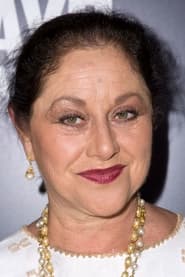
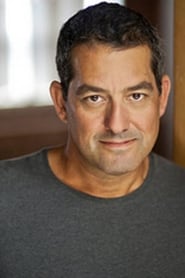
In the production, Romola Garai plays Katey Miller, the young daughter of an American diplomatic family, while Diego Luna takes on the role of Javier Suarez, a local Cuban youth. The film blends class differences, cultural clashes, and young love with the warm Latin rhythms and passionate dance choreography of the era. Directed by Guy Ferland, the film was brought to life by a team that included Lawrence Bender, one of the producers of the original Dirty Dancing.
Visually, Havana Nights strives to successfully capture the Cuba of the period, with its art deco buildings, classic cars, and vibrant street life. Musically, it devotes extensive space to Latin dance styles such as mambo, cha-cha-cha, and son, making this one of the key elements that sets the film apart from other youth dramas.
Plot
The story focuses on the life of Katey Miller, a young American girl who moves to Havana in 1958 because of her father's job. Struggling to adapt to a new country, a new culture, and an unfamiliar social order, Katey meets Javier Suarez, a local young man working at the hotel where she is staying. Although Javier works as a waiter to help support his family, he is in fact a passionate dancer who performs in the city's nightclubs.
The growing closeness between Katey and Javier is fraught with difficulties due to the stark differences between the worlds they each belong to. Katey's family belongs to the upper-class American diplomatic circle, while Javier is a working-class Cuban youth—and on top of that, political tensions in the country are steadily rising. Despite the social and cultural gulf between them, the two young people grow close through dance and begin rehearsing together to enter a competition.
As the film progresses, it does more than just tell a love story; it also explores the political atmosphere of the period, class divisions, and young people's efforts to find their own identities amid this complex environment. Here, dance is presented not merely as a form of entertainment but also as a path to liberation and self-expression.
Why Watch It?
Havana Nights offers viewers a visual feast, particularly through its dance scenes and music. The energy of the Latin rhythms is one of the film's strongest assets, and the choreography is among the most striking elements that keep viewers glued to the screen. Being one of the rare Hollywood productions set in 1950s Cuba also adds a distinct historical and cultural curiosity to the film.
In addition, it offers a chance for fans of the classic Dirty Dancing to form a nostalgic connection, reinterpreting similar themes (forbidden love, class differences, liberation through dance) in a different time and place. The performances of the young cast, especially Diego Luna's charismatic presence, are among the elements that make the film watchable. For audiences who enjoy romantic dramas and musicals, it offers a light, enjoyable, and visually satisfying experience.
Who Is It For?
This film appeals especially to viewers who enjoy dance- and music-themed romantic dramas and who want to spend some time with a light, emotional story. Fans of the Dirty Dancing series may be curious about this production because of their attachment to the original film. For viewers interested in Latin culture, dance, and music, the film's visual and auditory elements will be satisfying.
Those who enjoy young love stories, class conflicts, and historically set dramas may also find enjoyment in this film. However, for viewers seeking deep political analysis or complex character development, the film may feel somewhat superficial; it is therefore best suited for those looking for a light and entertaining evening film.
Pros and Cons
Pros:
1. Visually impressive dance choreography and energetic Latin music are the film's greatest strengths.
2. The art direction and period details reflecting the atmosphere of 1958 Cuba are carefully crafted.
3. Diego Luna's performance and the chemistry between the characters add believability to the story.
Cons:
1. Compared to the original Dirty Dancing, the script may feel more predictable and clichéd.
2. The political background is not explored in sufficient depth and remains superficial.
Genre and Tone
The film is a blend of romantic drama and musical genres. Its tone is generally warm, passionate, and nostalgic. While the dance scenes highlight the film's energetic and lively side, the love story and class conflicts attempt to add emotional depth to the narrative. As a period film, a certain historical atmosphere is also felt, though this element serves more as a backdrop to the story than as the main focus. Overall, a light, enjoyable, and visually satisfying tone prevails.
Runtime and Viewing Experience
The film runs for approximately 86 minutes, making it a fast-paced and smoothly flowing viewing experience. Thanks to its short runtime, it offers a narrative full of dance scenes and romantic moments without tiring the viewer. Easily watchable in one sitting, this film is a suitable choice especially for an evening's enjoyment. The frequency of musical scenes and the brisk editing keep the viewing experience dynamic and generally succeed in holding the viewer's interest.
Similar Productions
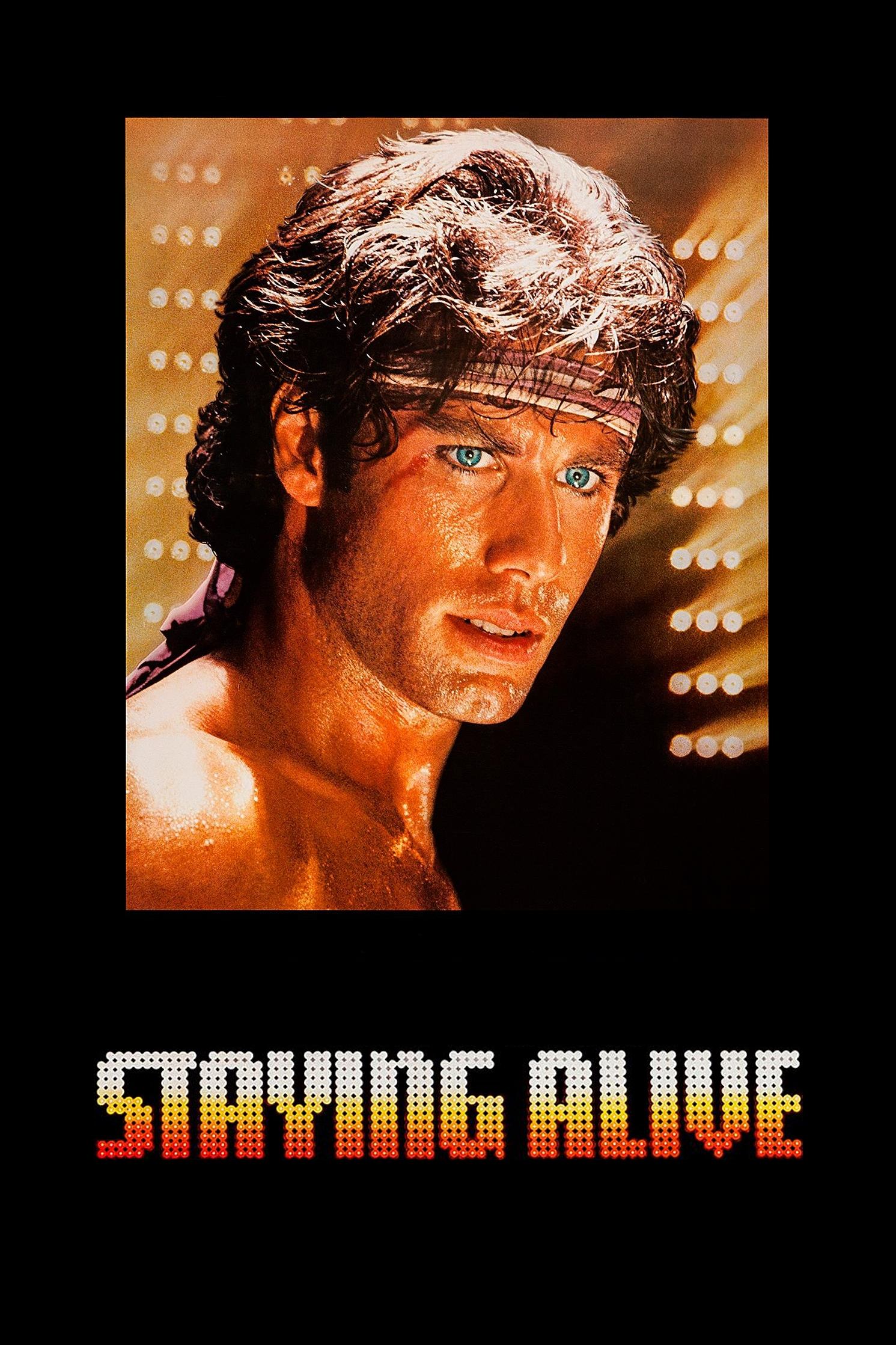
- Dirty Dancing (1987) — The original, cult classic film of the series
- Step Up (2006) — Another dance-themed youth romantic drama
- Save the Last Dance (2001) — About two young people from different cultures growing close through dance
- Salsa (1988) — Another production centered on Latin dance and music
- Chasing the Dance (Center Stage series) — Explores themes of passion for dance and personal growth
- Cuban Fury (2014) — A romantic comedy themed around Latin dance
Final Assessment
Although Dirty Dancing: Havana Nights doesn't fully capture the magic of the original film, it is a visually and musically satisfying production with a charm all its own. Using 1950s Cuba as its backdrop gives the film both an exotic and a historical identity. The energy of the dance scenes and the performances of the young cast help compensate for some of the story's weaker points.
For those seeking a deep cinematic experience, this film may not be fully satisfying, but for those looking for a light, entertaining, and visually enjoyable romantic drama, it is a rather fitting choice. Dance and music enthusiasts in particular will enjoy the rhythmic energy the film offers. In the end, Havana Nights may not be ambitious in its genre, but it can be regarded as a warm, passionate production that offers viewers an enjoyable escape.
Details
Cast (46)

















Kirli Dans Koleksiyonu


ByTv Değerlendirmesi
Gallery
Yorumlar
Henüz yorum yok. İlk yorumu siz yazın.
Recommended




Yazıda geçen yapımlar

Senin için seçelim
Türe göre süz, puana göre sırala ya da çarkı çevirip sürpriz öneri al.