
Deadwood
Deadwood (2004) Overview Deadwood is an HBO series that aired from 2004 to 2006 and is regarded as one of the most original and literary examples of the western genre in television history. Created by David Milch, the production o…
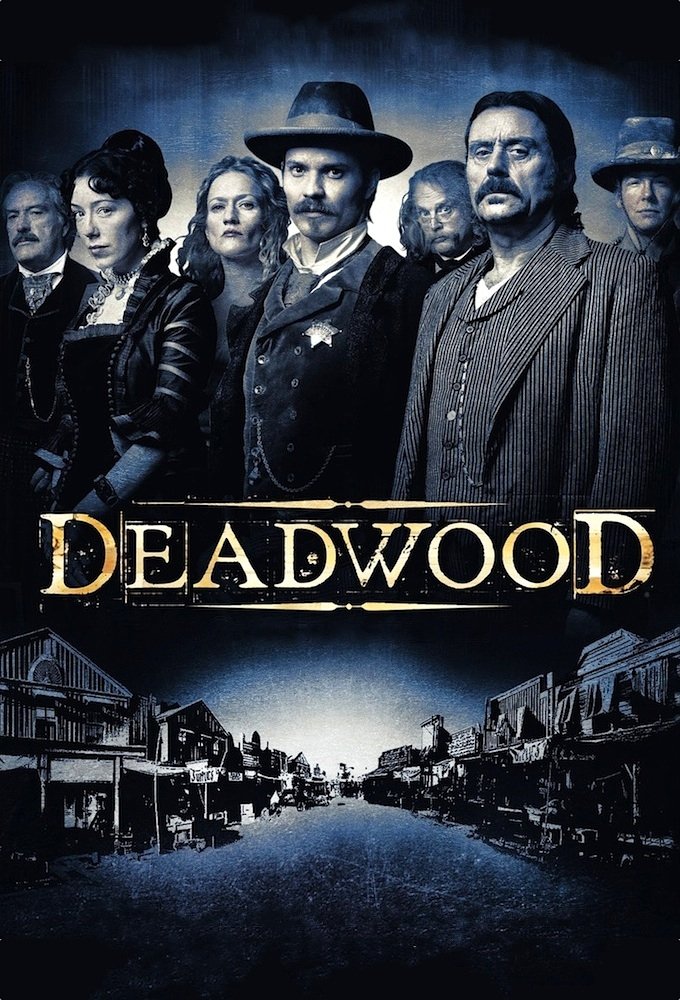
Deadwood (2004)
Overview
Deadwood is an HBO series that aired from 2004 to 2006 and is regarded as one of the most original and literary examples of the western genre in television history. Created by David Milch, the production offers a narrative inspired by the real historical events of the town of Deadwood, a settlement in the Dakota Territory that grew suddenly due to gold mining in the late 1870s, at a time when it still lacked law and order. The series blends real historical figures (such as Wyatt Earp, Wild Bill Hickok, Calamity Jane, and Al Swearengen) with fictional characters to present a complex, violence-laden yet philosophical story about how civilization is built from scratch.
The most striking feature of the production is the Shakespearean, profanity-laden yet highly literary dialogue that pours from the characters' mouths. Avoiding classic western clichés, Milch shows how a lawless society grapples with concepts such as capitalism, power, justice, and the social contract. The large cast, which includes young actors like Chase Ellison, brings the town's multi-layered social structure to life with incredible authenticity. The series ran for three seasons and, despite being cut short, completed its story with a finale film in 2019.
Plot
Deadwood is centered around the prospectors, gamblers, prostitutes, merchants, and adventurers who flock to an illegal camp settlement in the Dakota Territory upon news of gold being discovered. In this region, which is not yet officially part of the United States, no legal system applies; power, money, and violence are the only forces determining order.
At the heart of the story lies the tense relationship between Al Swearengen, one of the town's most powerful and manipulative figures who runs a saloon, and Seth Bullock, a former lawman now trying to live as an ordinary citizen. These two characters become both rivals and necessary allies in the effort to bring order to the town's chaotic structure. Subplots follow Calamity Jane's tragic past, Wild Bill Hickok's downfall, the schemes of businessman Cy Tolliver, and the town's ever-growing economic and political conflicts of interest.
As the series progresses, it focuses on Deadwood's transition from an independent settlement to formal incorporation into U.S. territory. This process becomes a profound allegory that questions the tension between individual freedom and institutional authority, how capital reshapes the social structure, and what the price of "civilization" truly is.
Why Should You Watch It?
Deadwood is a production that goes far beyond an ordinary western narrative, possessing a quality akin to a literary work through its use of language. The dialogue written by David Milch, though crude and violent, is remarkably rhythmic, layered, and thought-provoking; it both surprises the viewer and satisfies them intellectually.
The show's character depth is another important reason to watch. A character like Al Swearengen, who initially seems entirely negative, gains incredible complexity over the seasons; rather than a simple good-versus-evil divide, the series offers realistic, multifaceted human portraits. The acting performances, especially those of Ian McShane and Timothy Olyphant, are counted among the most unforgettable roles in television history.
The series is also notable for the importance it places on historical accuracy. The costumes of the era, the town's architecture, social hierarchy, and daily life details are reflected with great meticulousness. This offers the viewer not just a story, but a genuine experience of a particular time and place. Its philosophical perspective on how a society is built from nothing also serves as an intriguing mirror for understanding today's political and economic structures.
Who Is It For?
Deadwood is not for those seeking simple western stories based on a classic hero-versus-villain duality; it is ideal for viewers who prefer complex characters, weighty dialogue, and a slow but deeply layered narrative structure. Those with an interest in literary language, poetic profanity, and Shakespearean-style monologues will thoroughly enjoy this series.
It also offers rich content for fans of historical drama and those curious about America's westward expansion and the formative processes of capitalism and state authority. As it contains scenes of violence, sexuality, and crude language, it may not be suitable for sensitive viewers. However, fans of character-driven productions that navigate morally gray areas, such as "The Wire" or "Breaking Bad," will find similar satisfaction in Deadwood.
Pros and Cons
Pros:
1. An extraordinarily rich, literary, and original dialogue structure offers a linguistic experience rarely found in television history.
2. The performances of the entire cast, especially Ian McShane and Timothy Olyphant, are extremely powerful and convincing.
3. The meticulous attention to historical period details transports the viewer to a genuine bygone era.
4. The moral complexity and development of the characters offer a narrative that is completely free of clichés.
Cons:
1. The dense and archaic use of language may create a difficult-to-follow experience for some viewers.
2. Due to the series being cancelled early, the end of the third season fails to adequately resolve some storylines (this was later partially remedied by the finale film).
Genre and Tone
Deadwood is a hybrid production that takes the classic elements of the western genre and blends them with dark drama, political allegory, and character study. Its tone is generally dark, realistic, and at times brutal; yet within this darkness, it also contains an ironic humor and a poetic beauty. Scenes of violence are presented in a raw and realistic manner rather than being stylized, which further deepens the series' atmosphere.
Visually, an aesthetic dominated by dust, mud, and crude wooden structures prevails; this visual style reinforces the wild and disorderly nature of the story. Overall, the series strikes a tonally rich balance, showing the most primitive and the most civilized sides of human nature simultaneously.
Runtime and Viewing Experience
The series consists of a total of three seasons, with each season containing an average of 12 episodes; episode lengths generally range between 50-55 minutes. The finale film, released in 2019, fills in the gaps left by the story, offering viewers a satisfying conclusion.
The viewing experience may require patience due to the dense dialogue structure, which takes some time to get used to in the early episodes. However, for viewers who overcome this hurdle, the series becomes an increasingly hard-to-put-down pleasure, forging a deeper connection with each episode. It is recommended to watch the series not in one binge, but at a somewhat slower pace that allows the dialogue and character development to be properly digested.Similar Productions
- The Wire (2002) — Bears similarity in terms of its character-driven, in-depth storytelling that includes critique of systems.
- Justified (2010) — A series starring Timothy Olyphant in the lead role, offering a similar American backcountry atmosphere.
- Godless (2017) — Another modern example of the western genre with high character depth.
- Boardwalk Empire (2010) — An HBO production with a similar tone that deals with historical period, crime, and power relations.
- Hell on Wheels (2011) — A series with a similar period atmosphere, themed around America's westward expansion and railroad construction.
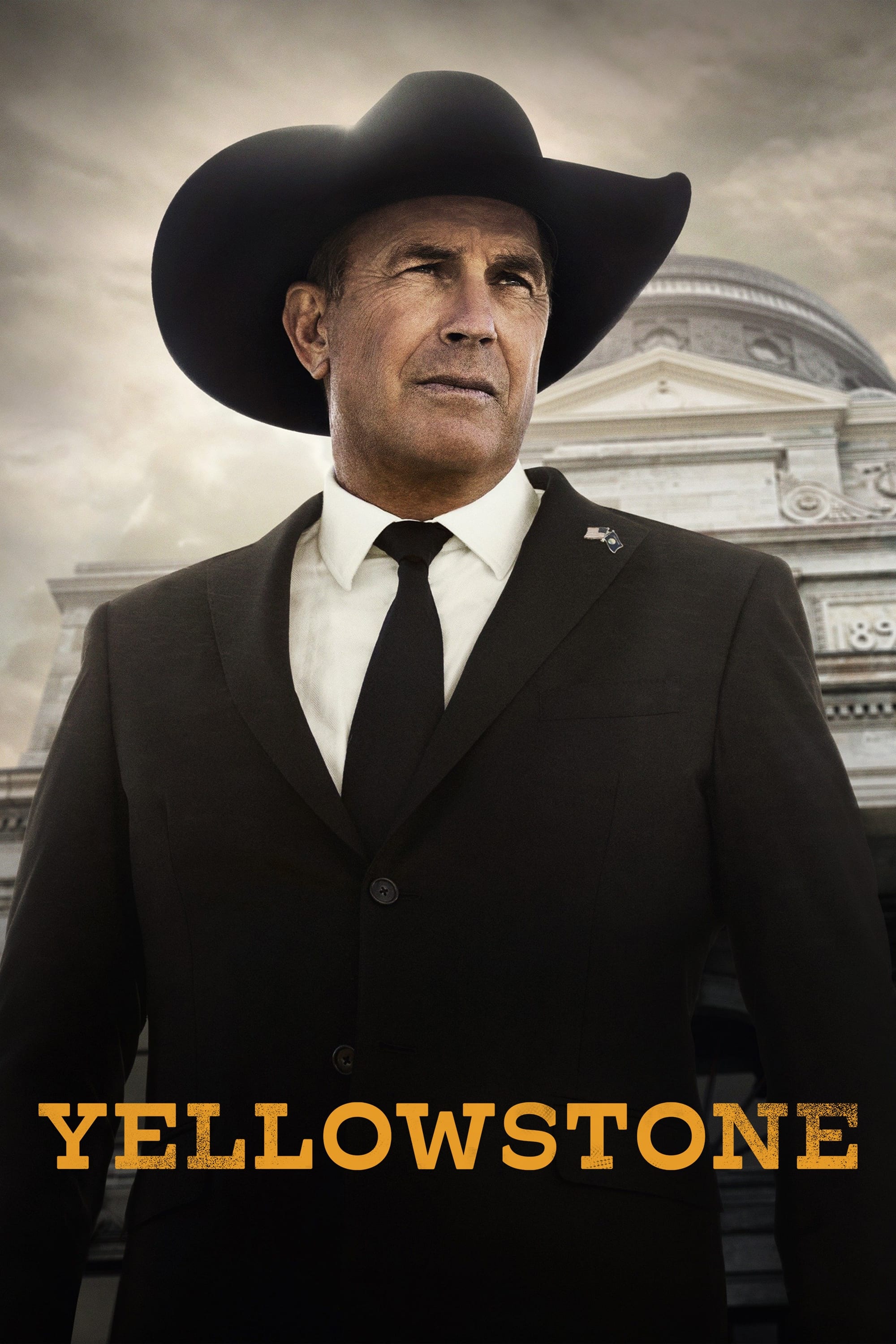
- Yellowstone (2018) — A contemporary example that explores themes of land, power, and family through a modern western sensibility.
Final Verdict
Deadwood is a masterpiece that redefines the western genre, carves out a unique place in television history through its use of language, and completely draws the viewer in with its character depth and historical realism. David Milch's poetic yet crude dialogue, powerful acting performances, and the philosophical perspective it offers on the process of building a society from scratch carry the series far beyond an ordinary western story.
Although the weight of the language may challenge some viewers at first, this production, watched with patience, ultimately offers great satisfaction. It is a quality, thought-provoking, and unforgettable television experience.
Where to Watch

Details
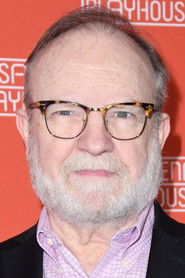
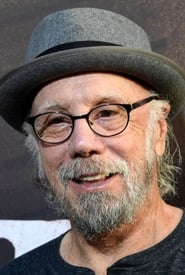
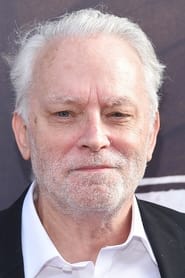
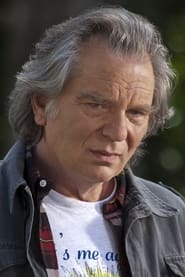
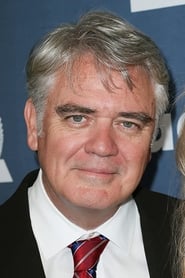
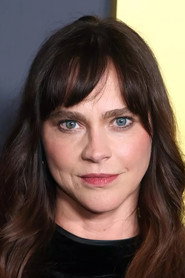
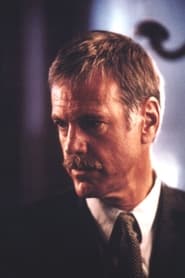
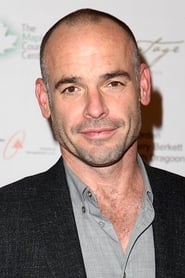
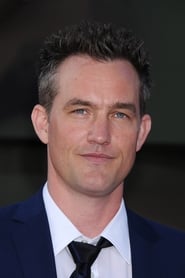
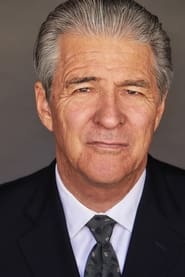
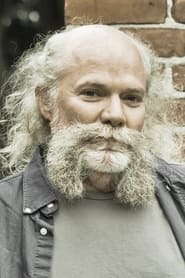
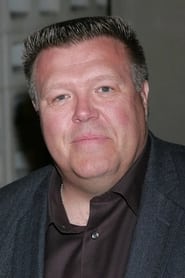
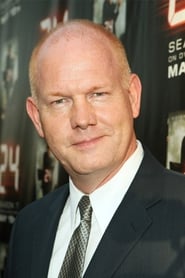
Cast (158)




































































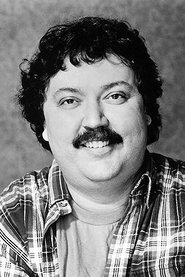


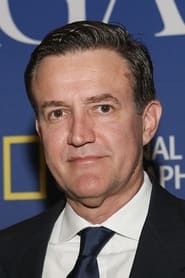
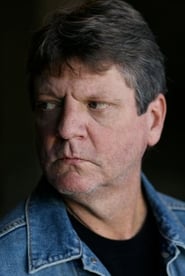
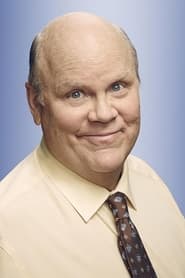




Sezonlar
Gelince haber ver 2004
2004  2005
2005  2006
2006 Ödüller
- Primetime Emmy Award for Outstanding Cinematography for a Single-Camera Series 2005
- Primetime Emmy Award for Outstanding Costumes for a Series 2005
- Directors Guild of America Award for Outstanding Directing – Drama Series 2004
- Drama Dizilerinde En İyi Yönetmenlik Emmy Ödülü 2004
- Peabody Ödülü 2004
- TCA Award for Individual Achievement in Drama 2004
30 adaylık
- Dram Dizisinde Oyuncu Kadrosu Tarafından Üstün Performans Ekran Oyuncuları Derneği Ödülü 2007
- Primetime Emmy Award for Outstanding Cinematography for a Single-Camera Series 2007
- Primetime Emmy Award for Outstanding Costumes for a Series 2007
- Writers Guild of America Award for Television: Dramatic Series 2007
- En İyi Erkek Oyuncu SAG Ödülü- Drama 2006
- Writers Guild of America Award for Television: Dramatic Series 2006
- Dizi, Mini Dizi veya Televizyon Filminde En İyi Yardımcı Erkek Oyuncu Satellite Ödülü 2005
- Drama Dizilerinde En İyi Erkek Oyuncu Emmy Ödülü 2005
- Drama Dizilerinde En İyi Yönetmenlik Emmy Ödülü 2005
- Drama Televizyon Dizilerinde En İyi Erkek Oyuncu Satellite Ödülü 2005
- En İyi Drama Dizisi Emmy Ödülü 2005
- Primetime Emmy Award for Outstanding Casting for a Drama Series 2005
- Primetime Emmy Award for Outstanding Cinematography for a Single-Camera Series 2005
- Primetime Emmy Award for Outstanding Costumes for a Series 2005
- TCA Award for Individual Achievement in Drama 2005
- TCA Award for Outstanding Achievement in Drama 2005
- TCA Award for Program of the Year 2005
- Tek Kameralı Bir Dizide En İyi Kurgu Primetime Emmy Ödülü 2005
- Directors Guild of America Award for Outstanding Directing – Drama Series 2004
- Drama Dizilerinde En İyi Yardımcı Erkek Oyuncu Emmy Ödülü 2004
- Drama Dizilerinde En İyi Yardımcı Kadın Oyuncu Emmy Ödülü 2004
- Drama Dizilerinde En İyi Yazarlık Emmy Ödülü 2004
- Drama Dizilerinde En İyi Yönetmenlik Emmy Ödülü 2004
- En İyi Televizyon Dizisi Altın Küre Ödülü - Drama 2004
- Primetime Emmy Award for Outstanding Casting for a Drama Series 2004
- Primetime Emmy Award for Outstanding Costumes for a Series 2004
- Primetime Emmy Award for Outstanding Original Main Title Theme Music 2004
- TCA Award for Individual Achievement in Drama 2004
- TCA Award for Outstanding Achievement in Drama 2004
- TCA Award for Outstanding New Program 2004
ByTv Değerlendirmesi
Gallery
Yorumlar
Henüz yorum yok. İlk yorumu siz yazın.
Recommended




Yazıda geçen yapımlar
Senin için seçelim
Türe göre süz, puana göre sırala ya da çarkı çevirip sürpriz öneri al.