
Arthur (1996)
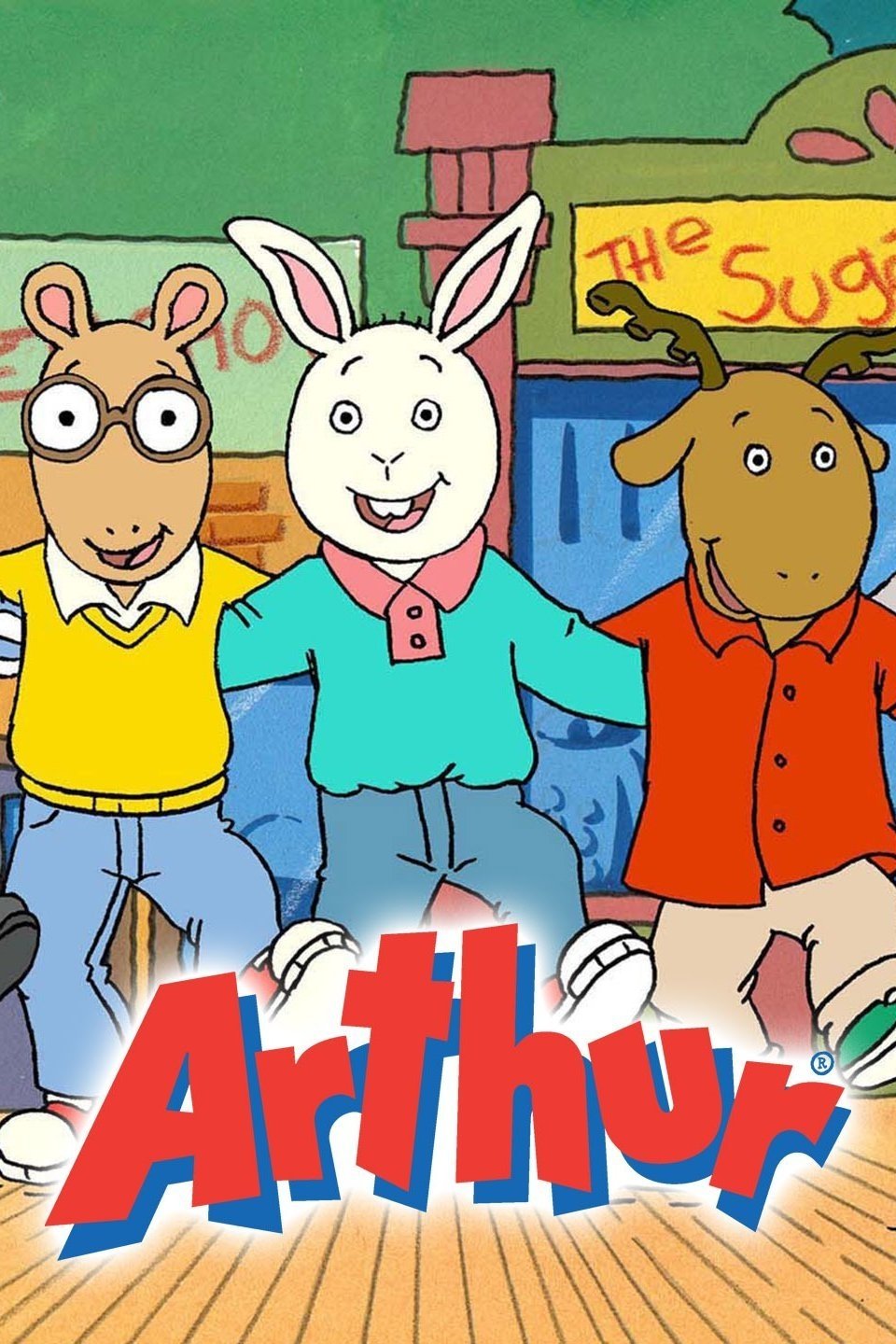
"Arthur," which began airing in 1996 and secured an important place in children's television with its long-running broadcast history, is an animated series adapted from Marc Brown's book series of the same name. At its center is a…
Overview
"Arthur," which began airing in 1996 and secured an important place in children's television with its long-running broadcast history, is an animated series adapted from Marc Brown's book series of the same name. At its center is a lovable aardvark named Arthur Read and his adventures within his circle of school, family, and friends. The series has won over audiences across generations by addressing the realistic problems children encounter in daily life through simple yet impactful storytelling.
The production's most notable feature is its uninterrupted continuation over many years and its inclusion of current social issues in each season. This has allowed "Arthur" to develop an educational identity that goes beyond being merely an entertaining cartoon. The events experienced by the characters overlap with familiar scenes from the viewer's own life, giving the series a strong capacity for identification.
Visually, the show adopts a simple and colorful drawing style. The fact that the characters consist of different animal species reflects the series' effort to represent a universal community of children. This choice also carries an indirect message about race, culture, and physical differences.
Plot
The series tells the story of life through the eyes of elementary-school-aged Arthur Read. Arthur's small-scale crises at school, his sweet-and-sour relationship with his sister D.W., and the time he spends with his friends Buster, Francine, Muffy, Binky, and other characters form the main framework of the show. Each episode generally consists of two separate stories, and although these stories are independent of each other, they explore the same universal theme.
The topics covered include friendship, family communication, school pressure, jealousy, honesty, empathy, and respect for differences. At times, more sensitive subjects are also touched upon; themes such as peer bullying, sibling rivalry, feelings of loss, or different family structures are handled in language children can understand. The series never presents these topics as if lecturing, but rather within a natural narrative flow.
The character D.W. is one of the most beloved figures in the series, often creating both entertaining and thought-provoking moments with her naive yet sharp observations. Every character in Arthur's circle has a distinct personality and family structure, which allows the series to present a multi-layered social fabric.
Why Should You Watch It?
"Arthur" achieves a balance rarely found among productions for children: it remains entertaining while never neglecting real-life lessons. The show's greatest strength is its ability to convey the emotional and social challenges children face without oversimplifying or overcomplicating them. This transforms it into a meaningful viewing experience not only for children but for families as well.
Moreover, the series' sense of humor has a subtle structure that can make both children and adults smile. The characters' small everyday conflicts remind viewers of their own childhood experiences. In terms of educational content, "Arthur" is also a successful example of fostering reading habits, developing empathy, and supporting problem-solving skills.
Thanks to its long-running structure, the series has adapted over time to changing social sensitivities and has maintained its relevance. This is a quality that makes it watchable even years later.
Who Is It Suitable For?
Although "Arthur" is primarily designed for elementary-school-aged children, it is a production well-suited to a family co-viewing culture. Parents can use the topics addressed in the series to start conversations with their children. It also offers a nostalgic discovery for adults who watched the show in their childhood.
For educators and pedagogues, the series contains examples that can be used to teach children social-emotional skills. Its simple language and slow narrative pace also make it a suitable option for children learning a language or viewers practicing a foreign language.
Pros and Cons
Pros:
1. Realistic and relatable characters.
2. Educational themes handled in a natural way.
3. A script structure that has remained relevant over many years.
Cons:
1. Some episodes may feel slow-paced to today's viewers.
2. The visual style reflects an older era of cartoon aesthetics, which some younger viewers may find unfamiliar.
Genre and Tone
The series belongs to the children's animation genre and has a tone that blends light comedy with emotional depth. Overall, the tone offers a warm, reassuring, and positive atmosphere. Although serious topics are occasionally addressed, they are always resolved with a perspective focused on hope and solutions.
Runtime and Viewing Experience
Episodes are short and concise, generally running between 20-25 minutes. This short format is designed to suit children's attention spans. The large number of episodes in the series provides a long-term viewing experience, allowing viewers to follow the characters' development over the years.
Similar Productions
- Franklin
- Little Bear
- Caillou
- The Berenstain Bears
- Doug
Final Assessment
"Arthur" is a production that has managed to offer both educational and entertaining content in the field of children's animation, one that has shown resistance to the passage of time. With its simple yet effective storytelling, beloved characters, and powerful messages, it remains a series worth watching. Its ability to provide a shared viewing experience for families gives it a special place among classic children's productions.
Details
Cast (133)





















































































Sezonlar
Gelince haber ver 1996
1996  1997
1997  1998
1998  1999
1999  2000
2000  2001
2001  2002
2002  2003
2003 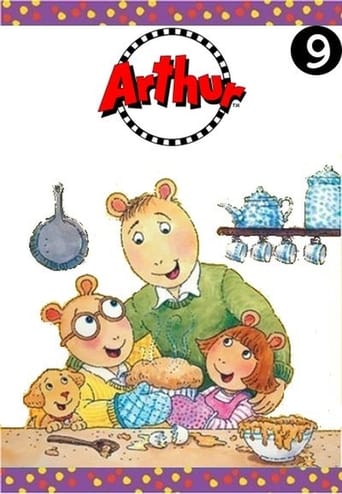 2004
2004 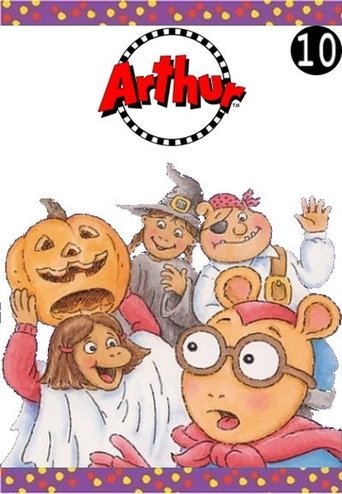 2006
2006  2007
2007 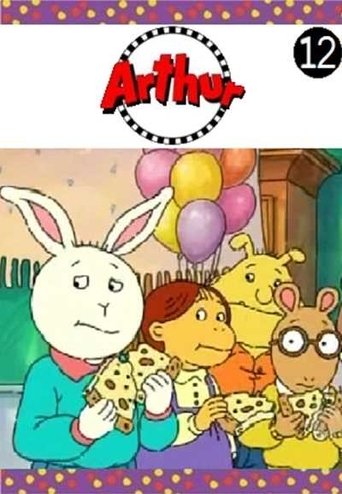 2008
2008  2009
2009  2010
2011
2012
2013
2014
2016
2016
2017
2019
2019
2021
2022
2010
2011
2012
2013
2014
2016
2016
2017
2019
2019
2021
2022 Ödüller
- Daytime Emmy Award for Outstanding Children's Animated Program 2007
- Daytime Emmy Award for Outstanding Children's Animated Program 2001
- Peabody Ödülü 2000
- Daytime Emmy Award for Outstanding Children's Animated Program 1999
- Daytime Emmy Award for Outstanding Children's Animated Program 1998
17 adaylık
- Daytime Emmy Award for Outstanding Performer in an Animated Program 2014
- Daytime Emmy Award for Outstanding Performer in an Animated Program 2010
- Daytime Emmy Award for Outstanding Performer in an Animated Program 2009
- Daytime Emmy Award for Outstanding Children's Animated Program 2008
- Daytime Emmy Award for Outstanding Children's Animated Program 2007
- Daytime Emmy Award for Outstanding Children's Animated Program 2006
- Daytime Emmy Award for Outstanding Children's Animated Program 2005
- Daytime Emmy Award for Outstanding Children's Animated Program 2004
- Daytime Emmy Award for Outstanding Children's Animated Program 2003
- Daytime Emmy Award for Outstanding Children's Animated Program 2002
- Daytime Emmy Award for Outstanding Children's Animated Program 2001
- Daytime Emmy Award for Outstanding Children's Animated Program 2000
- TCA Award for Outstanding Achievement in Youth Programming 2000
- Daytime Emmy Award for Outstanding Children's Animated Program 1999
- TCA Award for Outstanding Achievement in Youth Programming 1999
- Daytime Emmy Award for Outstanding Children's Animated Program 1998
- TCA Award for Outstanding Achievement in Youth Programming 1997
ByTv Değerlendirmesi
Gallery
Yorumlar
Henüz yorum yok. İlk yorumu siz yazın.
Recommended





Yazıda geçen yapımlar
Senin için seçelim
Türe göre süz, puana göre sırala ya da çarkı çevirip sürpriz öneri al.