
Around the World in 80 Days
Around the World in 80 Days (1956) Overview Around the World in 80 Days is a grand adventure film released in 1956, directed by Michael Anderson and adapted from Jules Verne's timeless novel. Produced by Mike Todd, the film was sh…

Around the World in 80 Days (1956)
Overview
Around the World in 80 Days is a grand adventure film released in 1956, directed by Michael Anderson and adapted from Jules Verne's timeless novel. Produced by Mike Todd, the film was shot with a production philosophy that pushed the boundaries of the era's cinema technology, and it has gone down in film history as one of the most impressive examples of the Todd-AO widescreen format. In the lead role, David Niven brings to life the measured and gentlemanly English character Phileas Fogg, while the film is also remembered for Cantinflas's energetic performance. Don Pulford, one of the names on the technical crew, contributed to a production process that served the film's visual cohesion.
The film won five Academy Awards, including Best Picture, at the 1957 Oscars, making it one of the most prestigious productions of its era. Scenes filmed across more than 70 different locations required an incredible budget and logistical organization for its time. Additionally, the film's inclusion of nearly 40 famous actors in brief cameo roles has established "Around the World in 80 Days" as one of the most special star-studded productions in cinema history.
Plot
The story is built around an audacious bet that Phileas Fogg, a disciplined and habit-bound English gentleman living in Victorian London, makes with his club friends. Fogg claims that he can travel around the entire world in just 80 days, and to prove this bold challenge, he sets off on an extraordinary journey with his loyal manservant Passepartout.
Throughout the journey, the pair traverses a vast geography stretching from Europe to Asia and on to the Americas, using various modes of transportation of the era such as ships, trains, elephants, and hot-air balloons. Encountering new cultures, unexpected dangers, and colorful characters at every stop, Fogg and Passepartout race against time while both strengthening their friendship and being drawn into a variety of adventures. The film turns this journey into a visual feast while also offering an entertaining reflection of the era's worldview.
Why Watch It?
Around the World in 80 Days is one of the productions that best represents the epic storytelling tradition of classic Hollywood cinema. The film's greatest appeal is the genuine sense it gives the viewer of embarking on a real trip around the world. Considering the era lacked CGI technology, the scenes shot in real locations and the practical effects used carry a striking authenticity even for today's audiences.
Another important aspect of the film is that it is one of the pioneers of the "cameo" culture in cinema history. Viewers enjoy discovering well-known stars who appear at unexpected moments throughout the film. Additionally, Victor Young's unforgettable score is a key element enriching the film's atmosphere. For classic cinema enthusiasts, those curious about Oscar history, and anyone interested in the roots of the adventure genre, this production stands as an indispensable reference.
Who Is It Suitable For?
This film is especially ideal for viewers who are interested in classic Hollywood productions, who enjoy epic-scale adventures, and who take pleasure in exploring turning points in film history. It also offers a satisfying experience for those familiar with Jules Verne's works who want to see how the transition from book to screen was accomplished.
With a structure free of violence or disturbing elements that can be watched with the family, the film has content that can appeal to different age groups. However, for younger viewers accustomed to today's fast-paced storytelling style, the film's classic rhythm and long runtime may require some patience at first. Still, for film history enthusiasts and those who value nostalgic productions, this film should definitely be on their list.
Pros and Cons
Pros:
1. Magnificent and impressive visual scenes shot in real locations
2. The harmonious and memorable performances of David Niven and Cantinflas
3. One of the era's most distinctive cameo casts
Cons:
1. A rather long runtime and pacing that occasionally feels slow by today's standards
2. Some cultural portrayals reflecting the perspective of the era, which may feel dated to today's viewers
Genre and Tone
The film has a structure that combines adventure and comedy genres, enriched with light dramatic touches. The overall tone is shaped by an optimistic, entertaining, and exploratory spirit. The contrast between Phileas Fogg's measured character and Passepartout's energetic and comical manner adds both a dramatic and humorous balance to the film.
While visually an epic production, the film also draws the viewer in with a warm and intimate narrative style. Although the adventure scenes carry elements of tension, the overall atmosphere focuses on offering a light and enjoyable viewing experience.
Runtime and Viewing Experience
The film's total runtime is approximately 3 hours, and this length reflects a broad narrative structure in keeping with the classic cinema tradition. For this reason, the film can be planned to be watched with breaks rather than in a single sitting, if needed. Given the widescreen format and visual richness, it is recommended to watch it, if possible, on a large screen with a good sound system.
The viewer's patience will help them better grasp the detailed world tour the film offers. For those unfamiliar with classic cinema, the first half hour may require an adjustment period, but as the story progresses, the pace and engagement increase.Similar Works
- Journey to the Center of the Earth (1959)
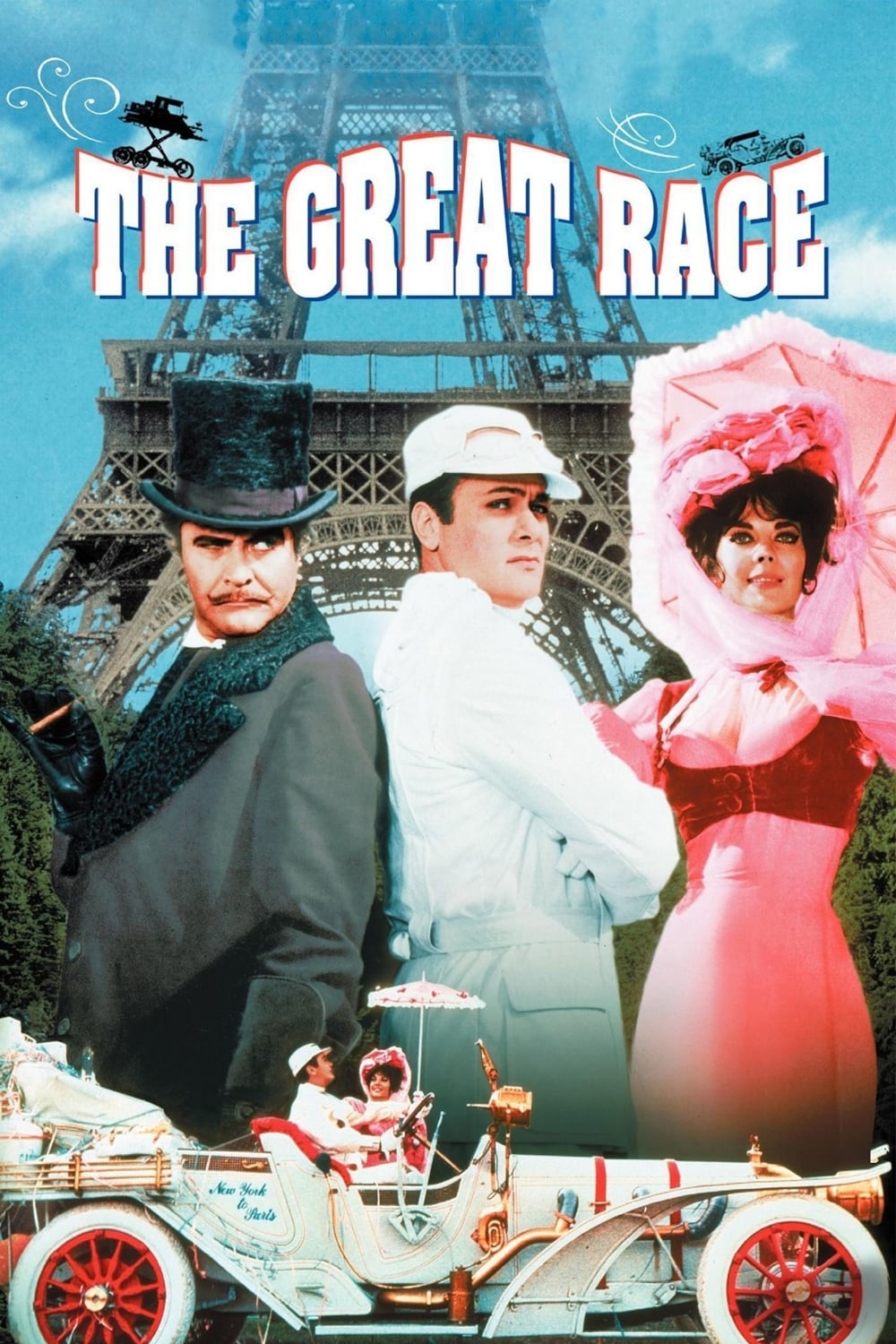
- The Great Race (1965)
- Master and Commander: The Far Side of the World (2003)
- The Adventures of Baron Munchausen (1988)
- Hugo (2011)
Final Assessment
Around the World in 80 Days remains, to this day, one of the most magnificent and ambitious productions in film history — a classic that has retained its value. This epic journey, realized with the technical means of its era, offers film lovers a rich experience both visually and narratively. David Niven's elegance, Cantinflas's energy, and the countless star contributions the film contains are among the elements that make this production unique.
Although the pace may sometimes feel heavy for today's viewers, the historical and cinematic value the film carries more than compensates for this. For those wishing to discover classic Hollywood cinema, Around the World in 80 Days offers a journey that is both entertaining and educational, taking its place among the must-watch productions.
Details
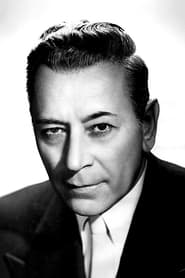
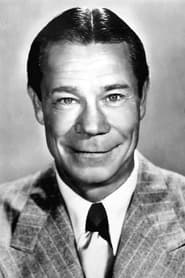
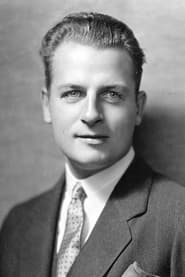
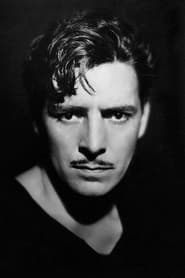
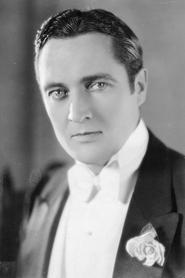
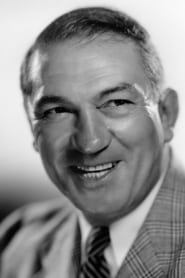
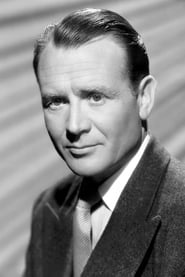
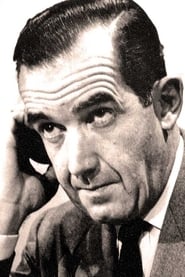
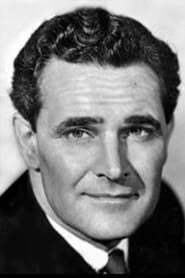
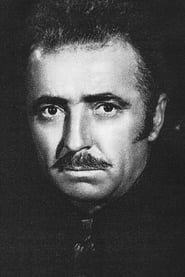
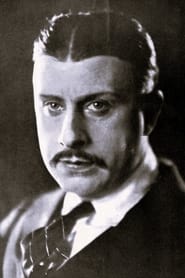
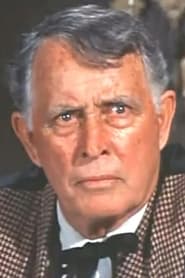
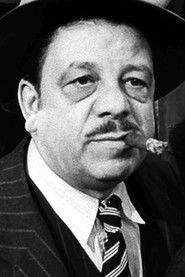
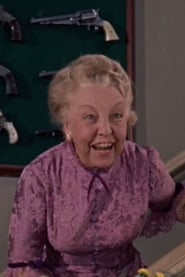
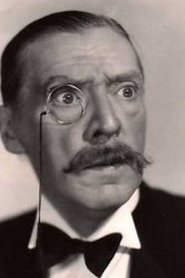
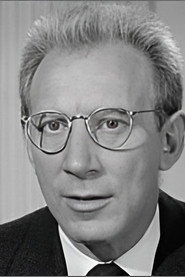
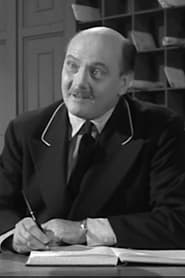
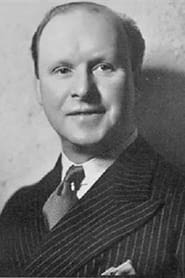
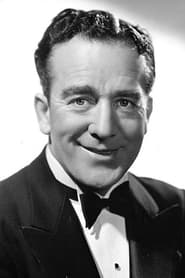
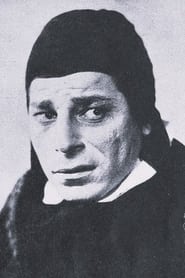
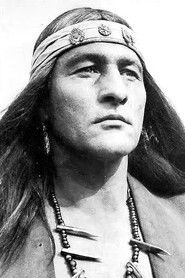
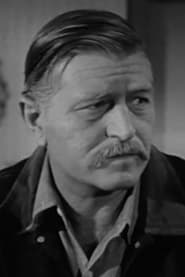
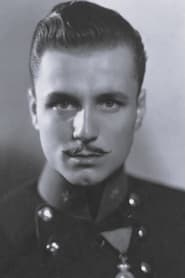
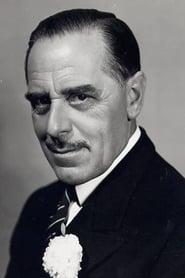
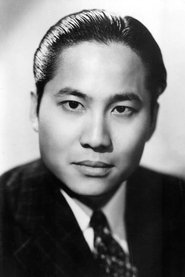
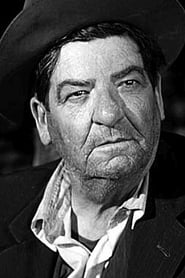
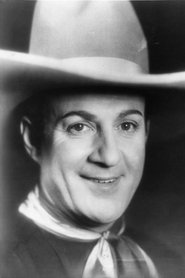
Cast (319)
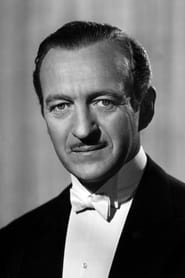
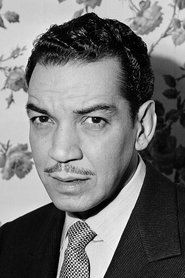












































































Ödüller
- Academy Award for Best Cinematography, Color 1957
- Academy Award for Best Original Dramatic or Comedy Score 1957
- En İyi Film Akademi Ödülü 1957
- En İyi Film Kurgusu Akademi Ödülü 1957
- En İyi Uyarlama Senaryo Akademi Ödülü 1957
- En İyi Film National Board of Review Ödülü
- National Board of Review: Top Ten Films
8 adaylık
- Academy Award for Best Art Direction, Color 1957
- Academy Award for Best Cinematography, Color 1957
- Academy Award for Best Costume Design, Color 1957
- Academy Award for Best Original Dramatic or Comedy Score 1957
- En İyi Film Akademi Ödülü 1957
- En İyi Film Kurgusu Akademi Ödülü 1957
- En İyi Uyarlama Senaryo Akademi Ödülü 1957
- En İyi Yönetmen Akademi Ödülü 1957
ByTv Değerlendirmesi
Gallery
Yorumlar
Henüz yorum yok. İlk yorumu siz yazın.
Recommended






Senin için seçelim
Türe göre süz, puana göre sırala ya da çarkı çevirip sürpriz öneri al.