
Apocalypse Now (1979)
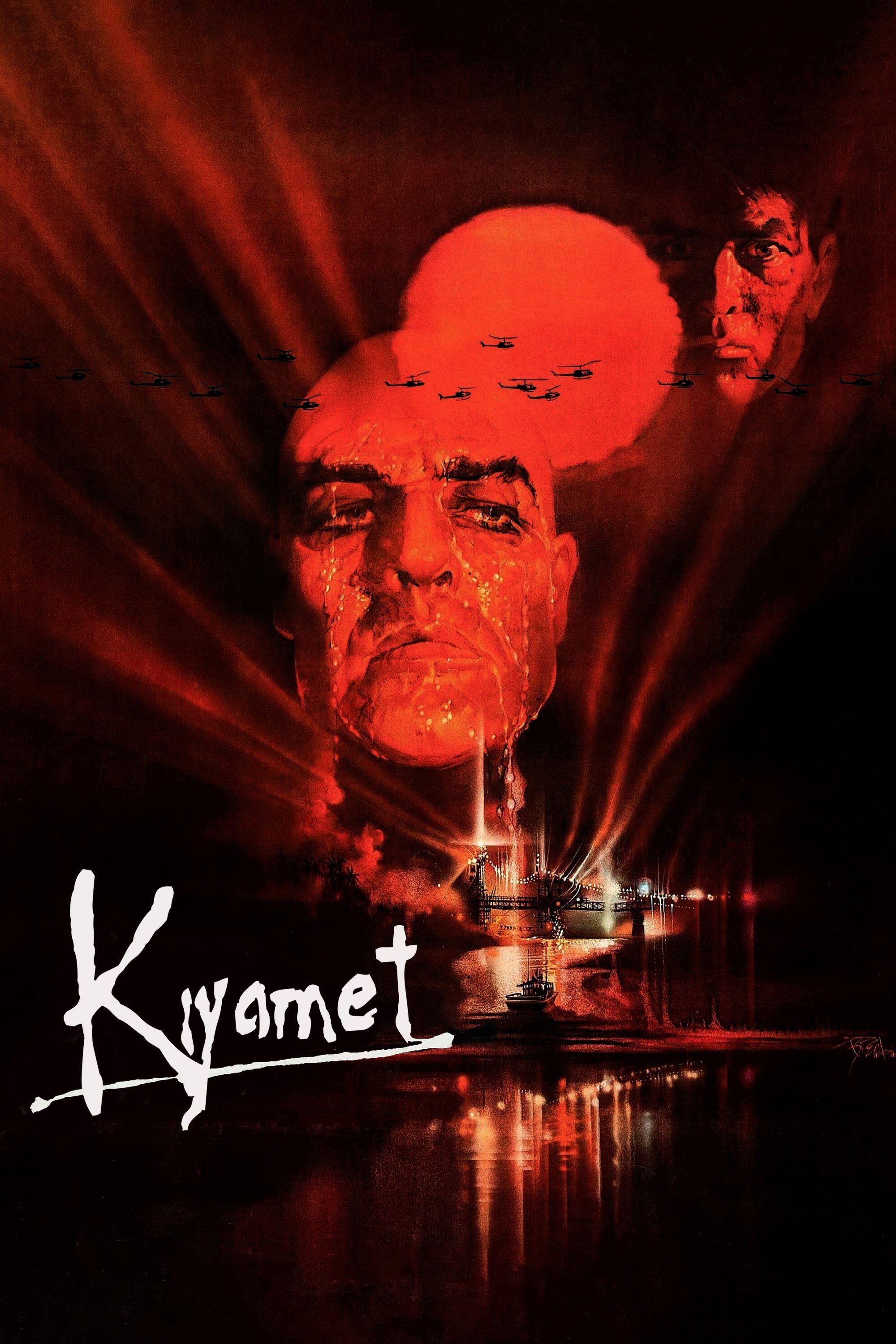
Directed by Francis Ford Coppola, "Apocalypse Now" is regarded as one of the most undisputed masterpieces in cinema history. Released in 1979, the film draws inspiration from Joseph Conrad's novel "Heart of Darkness" to transform…
Overview
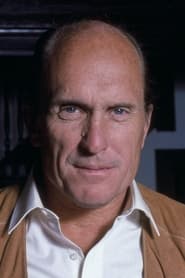
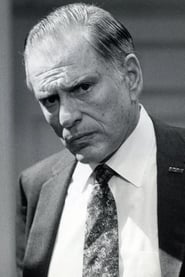
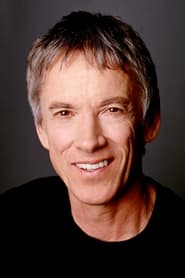
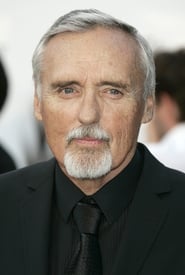
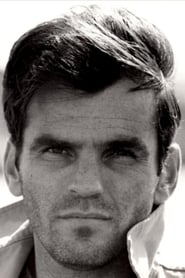
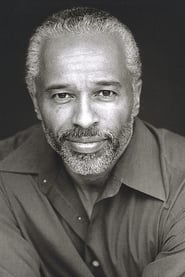
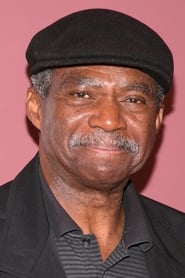
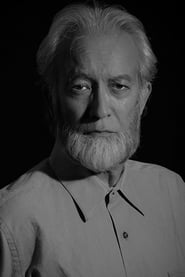
Directed by Francis Ford Coppola, "Apocalypse Now" is regarded as one of the most undisputed masterpieces in cinema history. Released in 1979, the film draws inspiration from Joseph Conrad's novel "Heart of Darkness" to transform the Vietnam War into a cinematic nightmare. The production process is just as legendary as the film itself; the natural disasters, cast changes, budget overruns, and psychological breakdowns experienced during filming have been documented as a separate story in the documentary "Hearts of Darkness." With a cast featuring names like Marlon Brando, Martin Sheen, Robert Duvall, and Dennis Hopper, Colleen Camp also contributes to the film as one of its notable characters. With its visual direction, atmosphere, and portrayal of war's devastation on the human soul, "Apocalypse Now" has gone down in history not merely as a war film, but as an existential journey.
The film's music, sound design, and cinematography (credited to Vittorio Storaro) broke new ground in cinematic language and have served as a source of inspiration for many directors and screenwriters. Ranked among the "greatest films of all time" on the American Film Institute's list and in countless critics' rankings, the production remains a subject of academic study to this day.
Plot
In the midst of the Vietnam War, Captain Willard of the American army is faced with a secret and extremely dangerous mission: to find and "terminate the command" of Colonel Kurtz, a former officer who has gone rogue and established his own order deep in the jungles of Cambodia. Willard's journey up the river is not merely a geographical progression, but also a descent into the madness of war, the dark side of human nature, and moral collapse. The soldiers, conflicts, and absurd scenes he encounters along the way turn into a narrative that questions the irrationality of war and the limits of humanity. The film goes beyond a classic "mission" story, drawing the viewer into a psychological and philosophical interrogation.
Why Watch It?
"Apocalypse Now" is a must-watch because it is one of the productions that has shaped the history of cinema. Going beyond the clichés of the war film genre, its narrative delves into the depths of human psychology, offering viewers an unconventional experience. Vittorio Storaro's cinematography creates a visual feast, with every frame composed like a painting. Iconic moments, such as the helicopter attack scene, have been referenced countless times throughout cinema history and have left a mark on popular culture.
Moreover, the film's production story is as fascinating as the film itself; this production, during which Coppola seemingly underwent his own "Kurtz-like" transformation, stands as proof of a passion that pushed the boundaries of art. Marlon Brando's enigmatic performance, Martin Sheen's portrayal of inner collapse, and Robert Duvall's unforgettable "napalm smell" lines also make for a satisfying experience in terms of acting. Boldly tackling the senselessness of war, the corrupting effect of power, and the dark side of humanity, the film manages to disturb viewers while also making them think.
Who Is It Suitable For?
This film is ideal for classic cinema enthusiasts, those interested in the war film genre, and those who wish to explore cinema history in depth. It also offers a highly satisfying experience for viewers interested in philosophical themes, questions about human nature, and symbolic storytelling. However, due to its intense violence, heavy atmosphere, and slow-paced narrative style, it may not be suitable for those seeking light and fast-paced content. Viewers who regard cinema as an art form, enjoy reading subtext, and are open to confronting disturbing themes will greatly enjoy this film.
Pros and Cons
Pros:
1. Vittorio Storaro's extraordinary cinematography and unforgettable scene compositions.
2. Powerful acting performances, particularly from Marlon Brando, Martin Sheen, and Robert Duvall.
3. A deep narrative that boldly tackles the psychological and philosophical dimensions of war.
Cons:
1. Its slow-paced narrative may be tiring for viewers expecting fast action.
2. Its intense and disturbing content may not appeal to every audience.
Genre and Tone
The film pushes the boundaries of the war genre, combining elements of surrealist and psychological drama. Its tone is generally dark, grim, and disturbing; it removes the viewer from a comfortable viewing experience and directly exposes them to the chaotic and incomprehensible nature of war. Its at times nightmarish atmosphere is reinforced by both visual and auditory elements. This tone directly aligns with the film's central theme—humanity's confrontation with savagery and moral collapse.
Runtime and Viewing Experience
While the film's original version runs approximately 2 hours and 27 minutes, the extended version titled "Redux" exceeds 3 hours. This lengthy runtime requires you to fully immerse yourself in the film's intense atmosphere. Being patient and focusing on the film without distraction during the viewing experience is important for grasping the depth of the narrative. Watching it uninterrupted, particularly in a dark setting, will allow you to best experience the oppressive and immersive effect the film aims to create.
Similar Productions
- Platoon (1986) – A powerful production that approaches the Vietnam War from a different perspective, emphasizing human dramas.
- Full Metal Jacket (1987) – A film by Stanley Kubrick that harshly portrays the psychological impact of war on soldiers.
- The Deer Hunter (1978) – A masterpiece that delves deeply into the devastating effects of the Vietnam War on individuals and society.
- Come and See (1985) – A Soviet classic that depicts the savagery of war in a striking and disturbing manner.
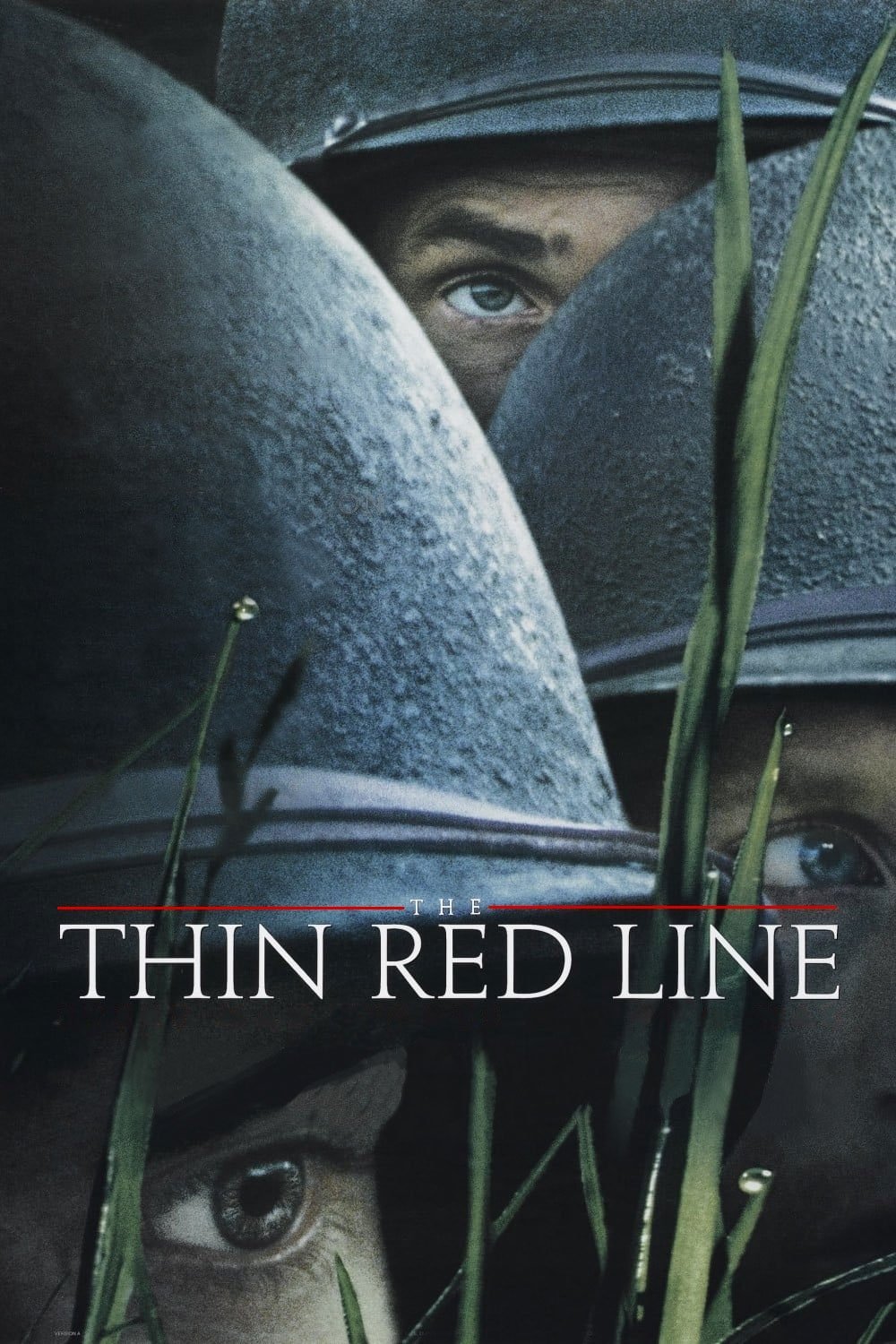
- The Thin Red Line (1998) – Another significant production in which Terrence Malick approaches war with a philosophical and poetic narrative style.
Final Assessment
"Apocalypse Now" offers a rare experience in the history of cinema. Going beyond being merely a war film, it is a work of art that shines a light on the darkest corners of human nature, disturbing viewers while making them think. Coppola's vision, Storaro's cinematography, and the cast's performances make the film a timeless masterpiece. Having left an indelible mark on cinema history with its arduous production process and bold storytelling, this production stands out as a classic that serious film viewers must see.
Where to Watch

Details
Cast (49)












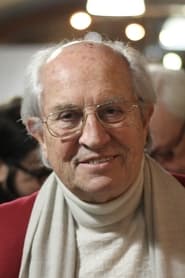
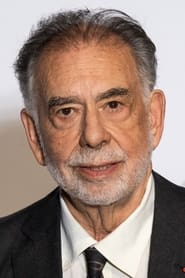
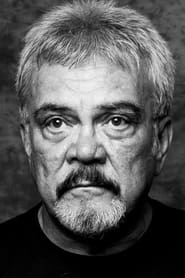
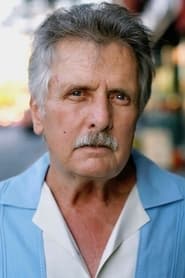


Ödüller
- En İyi Ses Miksajı Akademi Ödülü 1980
- En İyi Sinematografi Akademi Ödülü 1980
- Altın Palmiye 1979
- National Board of Review: Top Ten Films
8 adaylık
- En İyi Film Akademi Ödülü 1980
- En İyi Film Kurgusu Akademi Ödülü 1980
- En İyi Sanat Yönetmeni Akademi Ödülü 1980
- En İyi Ses Miksajı Akademi Ödülü 1980
- En İyi Sinematografi Akademi Ödülü 1980
- En İyi Uyarlama Senaryo Akademi Ödülü 1980
- En İyi Yardımcı Erkek Oyuncu Akademi Ödülü 1980
- En İyi Yönetmen Akademi Ödülü 1980
ByTv Değerlendirmesi
Gallery
Yorumlar
Henüz yorum yok. İlk yorumu siz yazın.
Recommended




Yazıda geçen yapımlar
Senin için seçelim
Türe göre süz, puana göre sırala ya da çarkı çevirip sürpriz öneri al.