
Angel (1999)
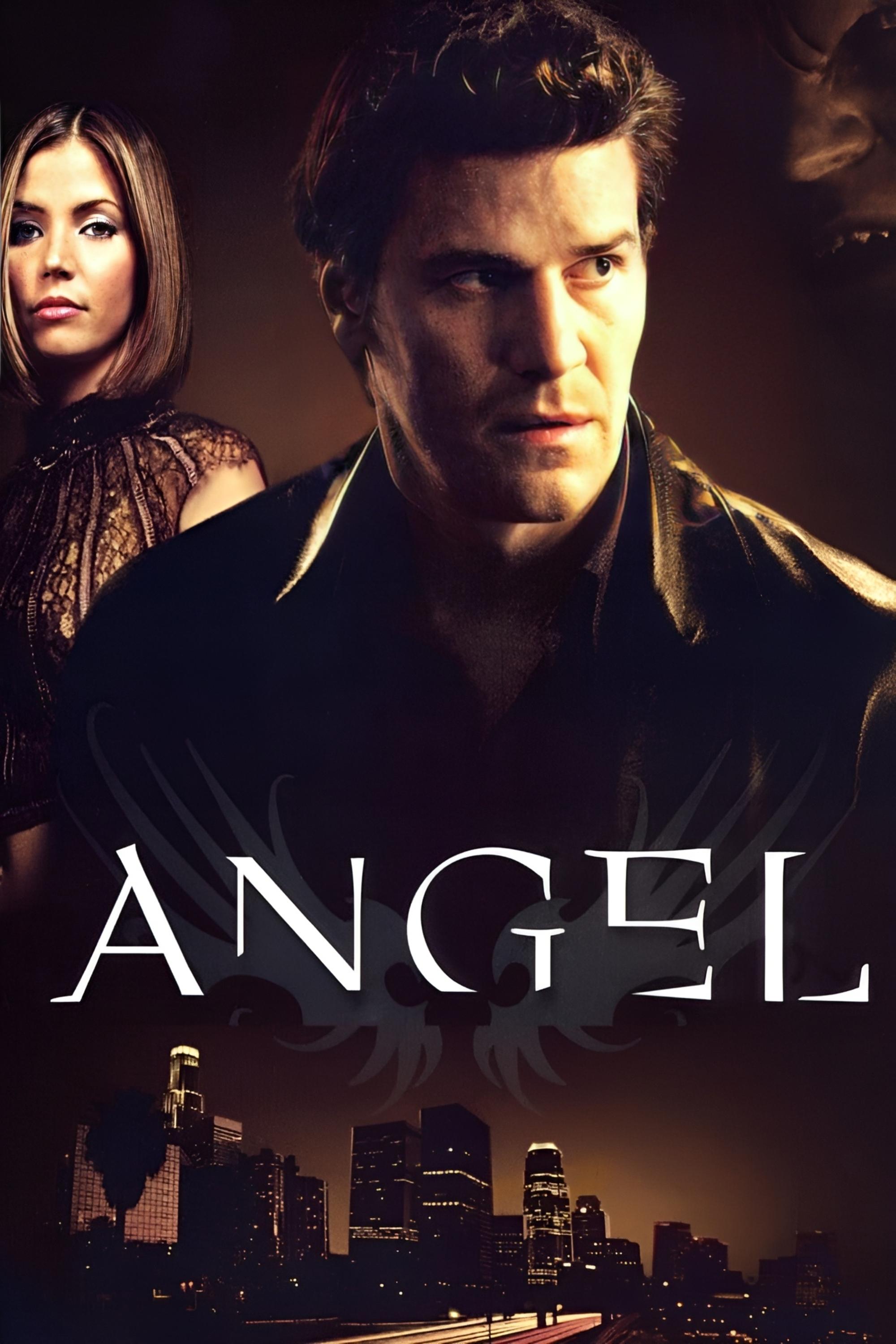
Angel is a spin-off series created by Joss Whedon and David Greenwalt in 1999, born out of the "Buffy the Vampire Slayer" universe. It follows Angel, a vampire who moves to Los Angeles and tries to do good in the city's dark corne…
Overview
Angel is a spin-off series created by Joss Whedon and David Greenwalt in 1999, born out of the "Buffy the Vampire Slayer" universe. It follows Angel, a vampire who moves to Los Angeles and tries to do good in the city's dark corners while dealing with the curse of his past. With its strong standalone narrative, dark film noir aesthetic, and deep character development, the series stands out as one of the most distinctive productions in the Buffy universe.
In this review, we specifically highlight the contribution of Mercedes McNab, who plays Harmony Kendall, to the series. By bringing the shallow and capricious Harmony we knew from Buffy the Vampire Slayer into Angel, McNab gives the character unexpected depth and a comedic contrast. As a vampire, Harmony's relationship with the Angel Investigations team adds a light but effective layer of humor to the show's otherwise more serious and somber tone. McNab's performance elevates the character from a mere side element into a figure that audiences grew to love and follow.
The series ran for a total of five seasons and aired between 1999 and 2004. Broadcast on the WB, it received praise from both critics and audiences among the fantasy-drama productions of its era.
Plot
Angel centers on the quest for redemption of Angel, a vampire cursed centuries ago, after he regains his soul. Following the events of Buffy the Vampire Slayer, Angel leaves Sunnydale and settles in Los Angeles, where he establishes a detective agency called Angel Investigations. The agency aims to help ordinary people who find themselves facing supernatural dangers.
As the series progresses, Angel's team expands to include characters such as Cordelia Chase, Wesley Wyndam-Pryce, Charles Gunn, and Winifred "Fred" Burkle. Each character contributes to the fabric of the show with their own past, trauma, and journey of growth. The dark side of Los Angeles, demonic forces, prophecies, and secret organizations (particularly the law firm Wolfram & Hart) form the main sources of conflict in the series.
Harmony Kendall's involvement in the story comes in the show's later seasons. Introduced in Buffy as a non-lethal, somewhat ridiculous vampire, Harmony appears in a different context in Angel and undergoes a journey all her own. Her presence adds gray areas to the show's themes of "good and evil," enriching the moral complexity of the characters.
Why Should You Watch It?
Angel is one of the rare series that manages to go beyond being just a spin-off and forge its own identity. Unlike Buffy's young-adult themes, Angel offers a more mature, darker, film-noir-style atmosphere. The characters' moral dilemmas, their quest for redemption, and their questions of identity deepen the show's emotional resonance.
Mercedes McNab's performance as Harmony forms one of the series' most beloved subplots. Harmony's struggle with her own nature turns into scenes that are sometimes funny, sometimes surprisingly touching. McNab's comic timing and interpretation of the character become an important element that balances Angel's serious tone.
Additionally, the show's long-form storytelling, its complex plotlines that carry across seasons, and its surprising character transformations create a structure that keeps viewers continually intrigued. The treatment of the corporate evil theme through Wolfram & Hart offers a perspective distinct from other fantasy series of its time.
Who Is It For?
Angel is primarily ideal for viewers who have watched Buffy the Vampire Slayer and want to spend more time in this universe. However, the series is designed to be followed independently as well, without having watched Buffy, making it a suitable entry point for new viewers interested in the fantasy-drama genre.
Those who enjoy dark-atmosphere productions with complex character relationships and philosophical themes (redemption, identity, moral gray areas) will enjoy this series. It also offers a satisfying experience for those interested in film noir aesthetics blended with detective stories featuring supernatural elements.
On the other hand, viewers seeking fast-paced, short-term satisfaction may find some episodes of the series slow going. Still, patient viewers will be rewarded as the seasons progress.
Pros and Cons
Pros:
1. Character development is handled extremely well; the transformation of the supporting characters in particular stands out.
2. Mercedes McNab's performance as Harmony is one of the series' most original and enjoyable elements.
3. The combination of film noir aesthetics with supernatural elements offers a visually and narratively distinctive experience.
Cons:
1. The first season contains slower, more introductory episodes compared to later seasons.
2. Some subplots can feel disconnected from the main narrative and may cause a loss of pacing.
Genre and Tone
Angel belongs to the fantasy-drama genre while carrying a strong film noir tone. Dark cityscapes, mysterious crime elements, and moral gray areas shape the overall atmosphere of the series. Unlike Buffy's lighter, young-adult tone, Angel carries a more somber, philosophical, and at times melancholic air.
At the same time, the series also successfully employs dark humor from time to time. The comedic moments brought about particularly through characters like Harmony function as a balancing element that offsets the heavier themes. This tonal variety turns Angel into a multi-layered viewing experience without confining it solely to horror or drama.
Runtime and Viewing Experience
The series consists of a total of five seasons, with each season comprising approximately 22 episodes. This offers a broad story universe of 110 episodes in total. Episodes generally run 40-45 minutes, providing a viewing rhythm suited to the classic network television format.
While viewers encounter a somewhat more standalone episode structure in the show's first season, later seasons shift toward large plotlines that run throughout the season. This structure makes Angel suitable for both viewers seeking single-episode satisfaction and those who want to follow a long-form story. Well-suited for a marathon viewing experience, the series offers a particularly satisfying structure for those who want to follow character development.Similar Productions
- Supernatural (2005)
- The Vampire Diaries (2009)
- Constantine (2014)
Final Assessment
Angel is a successful example of a spin-off that refuses to remain in the shadow of the Buffy the Vampire Slayer universe, building its own distinct identity. With its dark atmosphere, strong character development, and philosophical themes, it has become one of the important examples of the fantasy-drama genre. Mercedes McNab's performance as Harmony Kendall deserves particular recognition for the originality and humor it brings to the series' universe of characters.
Exploring themes of redemption, identity, and moral complexity across five seasons, Angel offers a satisfying experience for both Buffy fans and new viewers alike. Despite occasionally slowing pacing, this series—filled overall with strong storytelling and unforgettable characters—can be regarded as a classic that has earned its rightful place in the history of fantasy television.
Where to Watch

Details
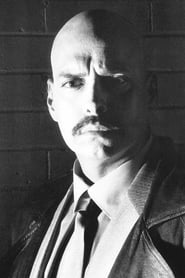
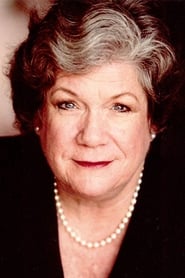
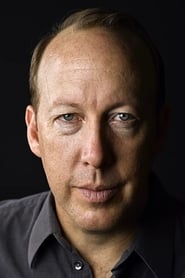
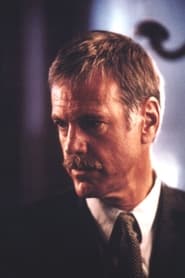
Cast (702)



















































































































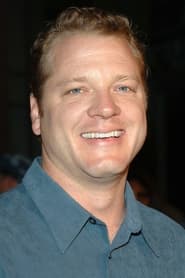





































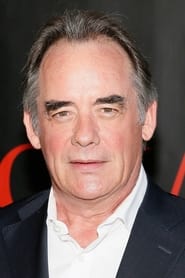











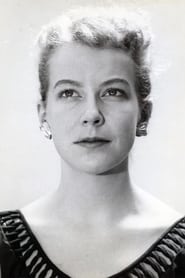









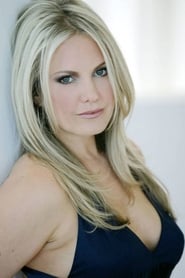

































































































































































































































































































Sezonlar
Gelince haber ver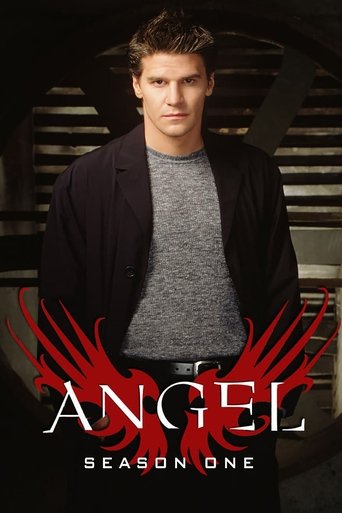 1999
1999 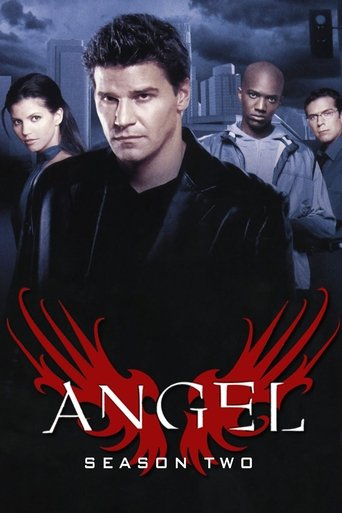 2000
2000 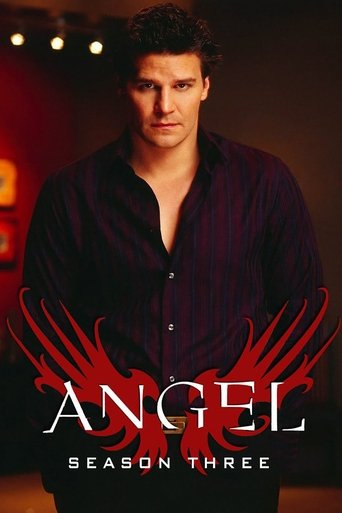 2001
2001  2002
2002  2003
2003 ByTv Değerlendirmesi
Gallery
Yorumlar
Henüz yorum yok. İlk yorumu siz yazın.
Recommended








Yazıda geçen yapımlar
Senin için seçelim
Türe göre süz, puana göre sırala ya da çarkı çevirip sürpriz öneri al.