
Absence of Malice
Absence of Malice (1981) Overview "Absence of Malice" is a powerful 1981 drama directed by Sydney Pollack that explores the conflict between journalistic ethics and individual privacy. Starring Paul Newman and Sally Field, the fil…
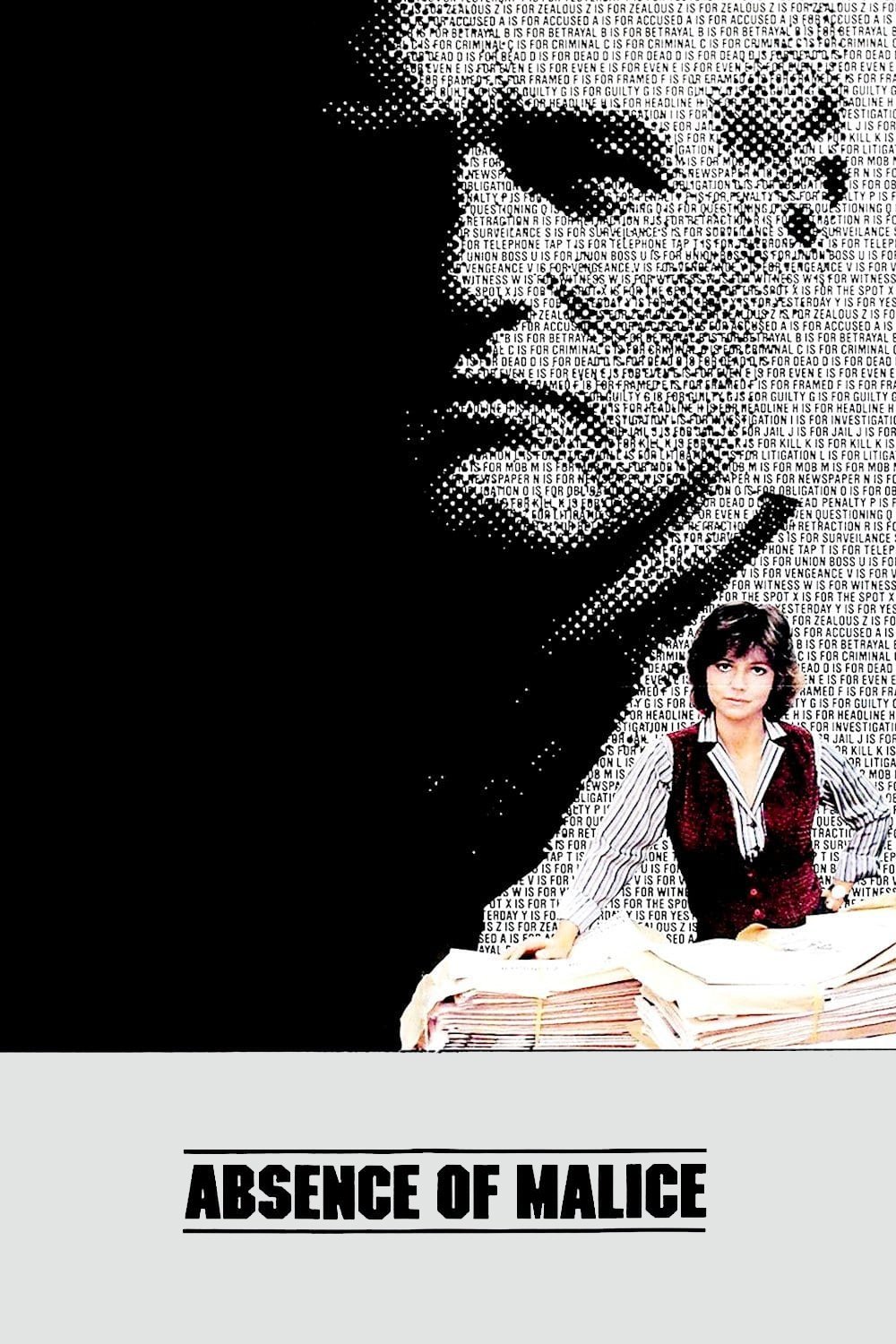
Absence of Malice (1981)
Overview
"Absence of Malice" is a powerful 1981 drama directed by Sydney Pollack that explores the conflict between journalistic ethics and individual privacy. Starring Paul Newman and Sally Field, the film is regarded as one of the most significant social-critique films of its era in American cinema. Written by Kurt Luedtke, the screenplay received widespread acclaim for both its writing quality and its performances, earning multiple Academy Award nominations.
The film tells the story of an innocent citizen whose life is turned upside down by a careless and inaccurate news story published in the shadow of a murder investigation. Rather than simply being a crime drama, this work from director Pollack is a profound study that questions the limits and responsibilities of media power and its devastating effects on individuals. The simplicity of the visual storytelling stands out as a deliberate choice made to foreground the screenplay's complex moral questions.
Among those who contributed to the production are technical crew members such as John DiSanti, whose contributions played an important role in shaping the film's overall atmosphere.
Plot
The story centers on Michael Gallagher (Paul Newman), an ordinary businessman living in Miami who runs a business inherited from his father. Gallagher's life is completely upended when a newspaper publishes a story alleging he is connected to an unsolved murder investigation. Young and ambitious journalist Megan Carter (Sally Field) reports information she isn't certain of, effectively portraying Gallagher as guilty in the eyes of the public.
From this point on, the film conveys to the viewer the struggle of a man who has committed no real crime but whose standing in society's eyes can never be the same again. As Gallagher devises a clever and patient strategy to reclaim his reputation and his life, Megan Carter is forced to confront her own professional values, her conscience, and increasingly tangled emotional entanglements. As the film progresses, the question of who is truly acting with "malice" continues to reshape itself in the viewer's mind.
The narrative follows a character-driven tension arc rather than a classic crime-drama structure. The viewer focuses less on the outcome of events than on the moral weight of the decisions the characters make along the way.
Why Watch It?
"Absence of Malice" tackles a theme that remains relevant today: the power of the media and the devastating consequences that can result from its irresponsible use. The film is worth watching not only as a period drama but also for the questions it raises about journalistic ethics — questions that are still debated today.
Paul Newman's controlled, layered performance and Sally Field's character, full of complex inner conflicts, are among the film's greatest strengths. Sydney Pollack's direction conveys dramatic tension in a realistic and thought-provoking manner, without ever tipping into excess. The dialogue in the screenplay makes the characters' motivations clear to the viewer, while every turn in the plot is grounded in logical justification.
The film also skillfully explores the difference between "right" and "legal," and the tension between "newsworthiness" and "truth," transforming the viewer from a passive observer into an active questioner.
Who Is It For?
This film is ideal for viewers who enjoy character-driven dramas, moral dilemmas, and social critique. It is not suited to those expecting action or fast-paced thrills, but rather to those who prefer dialogue-heavy, thought-provoking narratives.
Those interested in subjects such as journalism, media ethics, the legal system, and social justice will find great enjoyment in this film. It is also a valuable example for cinephiles who appreciate 1980s American cinematic aesthetics, classic acting styles, and screenplay-driven filmmaking.
Pros and Cons
Pros:
1. The extraordinary, layered performances of Paul Newman and Sally Field
2. A powerful, thought-provoking screenplay about media ethics that remains relevant today
3. Sydney Pollack's realistic, restrained, and effective directorial style
Cons:
1. The slow-paced narrative may feel tedious for viewers expecting fast action
2. The visual style may feel dated to those unaccustomed to the cinematic aesthetics of the era
Genre and Tone
The film is a drama that also incorporates elements of legal and journalism narratives. Its tone is generally serious, tense, and thought-provoking, though it occasionally makes room for softer scenes where emotional moments between characters can be felt. Avoiding melodrama and proceeding in a realistic style, the film allows viewers to form their own judgment without manipulating them.
Runtime and Viewing Experience
The film runs for approximately two hours, during which the complexity of the story is built step by step at a patient pace. Relying on dialogue and character development rather than action to hold the viewer's attention, this production offers an experience best appreciated when watched in one sitting, without interruption.
Similar Works
- "All the President's Men" (1976)
- "Network" (1976)
- "The Verdict" (1982)
- "Spotlight" (2015)
- "Nightcrawler" (2014)
- "The Insider" (1999)
Final Assessment
"Absence of Malice" has earned a lasting place in film history as a drama that masterfully explores the impact of media power on individuals, bolstered by strong performances and a strong screenplay. The performances of Paul Newman and Sally Field are the core elements carrying the film's dramatic depth. Sydney Pollack's balanced directorial approach conveys the story in a way that is understated yet compelling.
Because of its ethical inquiries, which remain relevant today, it can be appreciated not merely as a period piece but also as a thought-provoking work in terms of media literacy. For viewers who love character-driven dramas and are drawn to films that encourage reflection and questioning, it is undoubtedly among the classics that must be watched.
Details
Cast (40)

















Ödüller
3 adaylık
- En İyi Erkek Oyuncu Akademi Ödülü 1982
- En İyi Özgün Senaryo Akademi Ödülü 1982
- En İyi Yardımcı Kadın Oyuncu Akademi Ödülü 1982
ByTv Değerlendirmesi
Gallery
Yorumlar
Henüz yorum yok. İlk yorumu siz yazın.
Recommended





Senin için seçelim
Türe göre süz, puana göre sırala ya da çarkı çevirip sürpriz öneri al.